
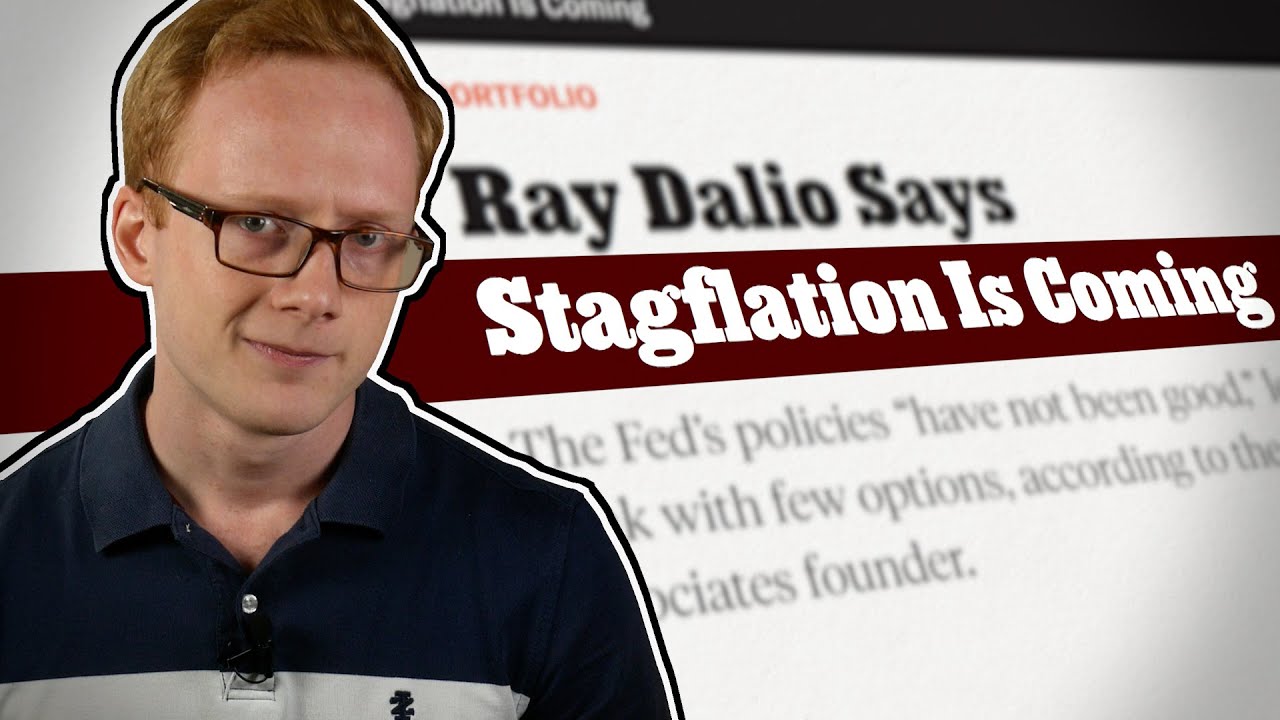

Stagflation Explained: Is This Scourge REALLY Making a Comeback?
Stagflation, a term coined in the 1970s, describes an economic condition characterized by stagnant growth, high unemployment, and rising inflation. This phenomenon presents a significant challenge for policymakers since the typical tools used to combat inflation or stimulate growth can exacerbate the other issue. As recent economic indicators have raised concerns about stagnation coupled with inflation, many are asking: Is stagflation truly making a comeback?
A Brief History of Stagflation
Stagflation gained prominence during the 1970s, particularly in the United States, driven by the oil crises of that decade, which led to skyrocketing energy prices. The simultaneous rise in prices and the unyielding unemployment rates baffled economists who had long held that inflation and unemployment were inversely related, a concept captured by the Phillips Curve. The experience of stagflation forced a reevaluation of economic theory and led to severe policy changes.
The Current Economic Landscape
Fast forward to today, the world is grappling with several factors that echo those of the 1970s. After the turmoil of the COVID-19 pandemic, supply chain disruptions, and subsequent consumer demand surges, inflation rates reached levels not seen in decades. The war in Ukraine has also significantly impacted energy prices, while labor markets have shown signs of strain.
-
Inflation Trends: As of late 2021 and into 2023, countries, including the U.S. and various European nations, have been experiencing rising consumer prices, driven by higher costs for food, fuel, and goods. Central banks have responded by raising interest rates, which can cool inflation but may also risk pushing economies into recession.
-
Stagnation Fears: Concurrently, there are growing fears of economic stagnation. Key economic indicators, such as GDP growth rates, have shown signs of weakening. Consumer sentiment has dipped, and businesses face uncertainty, leading to hiring freezes and layoffs.
- Labor Market Dynamics: Despite high inflation, the labor market remains robust in certain sectors. However, the quality and sustainability of these jobs are questionable, as many are part-time or gig-based with unpredictable incomes. High wages in some sectors have not kept pace with inflation, further straining household budgets.
The Risks of Stagflation
Stagflation poses unique risks, complicating the path for economic recovery:
-
Policy Dilemma: As central banks raise interest rates to combat inflation, economic growth may further slow, leading to higher unemployment. Conversely, lowering interest rates to stimulate growth could worsen inflation.
-
Consumer Confidence: High inflation erodes purchasing power, and if consumers begin to feel uncertain about job security, spending may decline, causing businesses to cut back, leading to a downward economic spiral.
- Investment Challenges: Businesses may hesitate to invest in expansion under uncertainty, further leading to stagnation in productivity and growth.
Are We There Yet?
While some indicators raise concerns about stagflation, a full-blown return to the conditions of the 1970s is not guaranteed. Policymakers are increasingly aware of the need for coordinated measures.
-
Innovative Solutions: New approaches, such as targeted fiscal policies, infrastructure spending, and workforce development programs, can create pathways to stimulate growth without exacerbating inflation.
-
Technological Advances: Innovations in technology and productivity improvements can provide necessary boosts to the economy, potentially allowing for growth in the face of rising prices.
- Global Context: The interconnected global economy means that issues in one region can have ripple effects elsewhere, making it crucial for countries to collaborate on economic strategies.
Conclusion
While stagflation is not an immediate certainty, the economic landscape is precarious, and vigilance is required. Policymakers must strike a delicate balance between controlling inflation and stimulating growth. The historical lessons of the 1970s remind us of the complexities involved, urging a proactive and multifaceted approach to navigate these turbulent economic waters. Understanding the dynamics of stagflation provides crucial insights as we face potential challenges ahead—making it a topic worth watching in economic discussions for the foreseeable future.
LEARN ABOUT: Investing During Inflation
REVEALED: Best Investment During Inflation
HOW TO INVEST IN GOLD: Gold IRA Investing
HOW TO INVEST IN SILVER: Silver IRA Investing




Happy Friday everyone! For the next 7 days only, use the following link for 6 MONTHS FREE of NOA: https://subscription.newsoveraudio.com/subscribe?offerId=plain_bagel_stdpx_6mt
The difference this time is the government can't increase rates because they will default and all banks will default
Great video I wish it was 2022 2024 and it’s looking bad
Welp, we’re fucked.
Thank you!
1:00 This inflation period is different since the money supply inflation is now the main driver of price inflation.
Mmmm it's quite weird that no source was provided and just saying what the official story says with out nuance. I like your channel but i think in this one you provide a bias view, you should complement with a marxist framework
do you really think we lowered our dependence because of great technological advancements, or more likely the extreme reduction and essentially stopping of American manufacturing. in trade of China taking all our plastics. This problem is multi faceted.
Is the 1000$ per barrel of oil gdp metric taking into account the adjusted price of oil and value of those 1000$? Because if the difference is ~50% between 1970s and now, it doesn't seem like anything changed.
Can you please come to Australia and be my finance lecturer, I learn more from your 10min videos then a whole semester at uni.
Bell-bottom jeans and corduroy suits are marvelous.
Rationing something in limited supply & a neccesity like fuel is a tried & true way of preventing it inflating in price.
It's not interest rates that needs to go up but money printing has to stop or what happened in Germany before WWII will happen in the western economies. You cannot print money as a way out of the current financial deficit. That is why Gold, Silver, Bitcoin, Ethereum and XRP has value since you cannot print more of these things. Inflation of the price of things is caused by excess of paper money vs the real value of goods and services. In Germany a wheel barrow full of money was used as fuel instead of money. Even a 10 year old kid can understand these basic concepts.
it'll be a great time to get bonds if we get 25% intrest rates
I want more intrest rates