
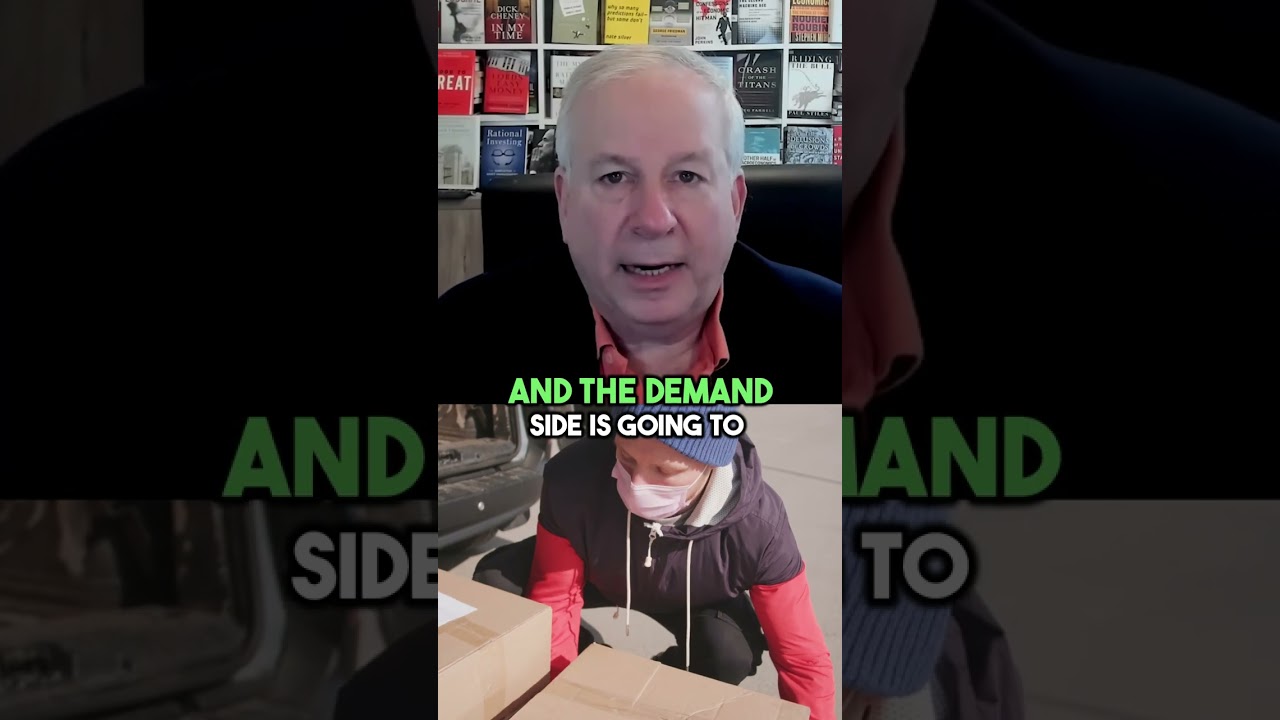

2023: Disinflation if not Deflation | David Rosenberg
As we step into the middle of 2023, the economic landscape is beginning to show signs of a significant shift. Renowned economist David Rosenberg has been vocal about the current trends that indicate a movement toward disinflation—or even deflation—contrary to the inflation fears that have dominated previous years. This article explores Rosenberg’s insights, the implications for consumers and investors, and the broader economic context.
Understanding Disinflation and Deflation
Before diving into the nuances of 2023’s economy, it is essential to distinguish between disinflation and deflation. Disinflation refers to a decline in the rate of inflation, meaning prices are still rising but at a slower pace. On the other hand, deflation is a sustained decrease in the general price level of goods and services, which can lead to reduced consumer spending and economic stagnation.
In recent months, many analysts, including Rosenberg, have observed various indicators suggesting that inflationary pressures are easing. Supply chain improvements, a slowdown in consumer spending, and the Federal Reserve’s aggressive monetary policy are contributing factors to this trend.
Economic Indicators
-
Consumer Price Index (CPI): Recent CPI reports have shown a clear slowdown in price increases. While inflation peaked in 2022, current data indicates a gradual return to more manageable levels. This aligns with Rosenberg’s prediction of disinflation gaining momentum.
-
Producer Price Index (PPI): Similar trends are seen in the PPI, which measures the average changes in selling prices received by domestic producers. A decline in PPI could indicate that cost pressures for businesses are easing, which may eventually lead to lower consumer prices.
-
Employment Trends: The labor market remains robust, yet the pace of job growth has slowed. This deceleration may suggest that employers are becoming more cautious, which could further dampen inflationary pressures as wage growth stabilizes.
- Interest Rates: The Federal Reserve has been proactive in adjusting interest rates to combat inflation. Rosenberg notes that while these measures have primarily aimed to rein in consumer price growth, the resulting effects may lead to a cooling economy and, potentially, deflation.
The Role of Consumer Sentiment
Consumer sentiment plays a vital role in shaping economic trends. Currently, consumers are more cautious due to high interest rates and rising living costs. A shift toward saving rather than spending can lead to reduced demand for goods and services, further contributing to disinflation or deflation.
Rosenberg highlights that if consumers begin to feel the impact of a slowing economy more acutely, the likelihood of deflation increases. When people anticipate falling prices, they may postpone purchases, exacerbating the downward price spiral.
Implications for Investors
For investors, the possibility of disinflation or deflation introduces both challenges and opportunities. Historically, equity markets thrive in an inflationary environment, but as inflation cools, sectors like technology and consumer discretionary may face headwinds. Conversely, fixed-income assets may become more appealing as interest rates stabilize.
Rosenberg advises investors to remain vigilant and consider shifting their portfolios to adapt to changing economic conditions. This could include looking at value stocks, defensive sectors, and perhaps hedging against potential deflationary scenarios.
Conclusion: Navigating Uncertainty
As 2023 unfolds, the conversation around disinflation and deflation continues to evolve. David Rosenberg’s insights provide a valuable framework for understanding the complexities of the current economic climate. Whether the economy trends toward disinflation or faces the more alarming prospect of deflation, one thing is clear: consumers and investors alike must stay informed and agile in a world where economic conditions can shift rapidly.
The future remains uncertain, but by keeping a close eye on economic indicators and adjusting strategies accordingly, actors in the market can better navigate the challenges and opportunities that lie ahead.
LEARN ABOUT: Investing During Inflation
REVEALED: Best Investment During Inflation
HOW TO INVEST IN GOLD: Gold IRA Investing
HOW TO INVEST IN SILVER: Silver IRA Investing




Deflation confirmed
The distributors can just warehouse the excess and causes prices to rise just like they did with lumber in 2020/2021
Disinflation for some items. There will not be an over abundance of food and we are still raiding emergency oil stockpiles just to maintain a normal commercial oil inventory so energy not likely to fall much and may gain.