
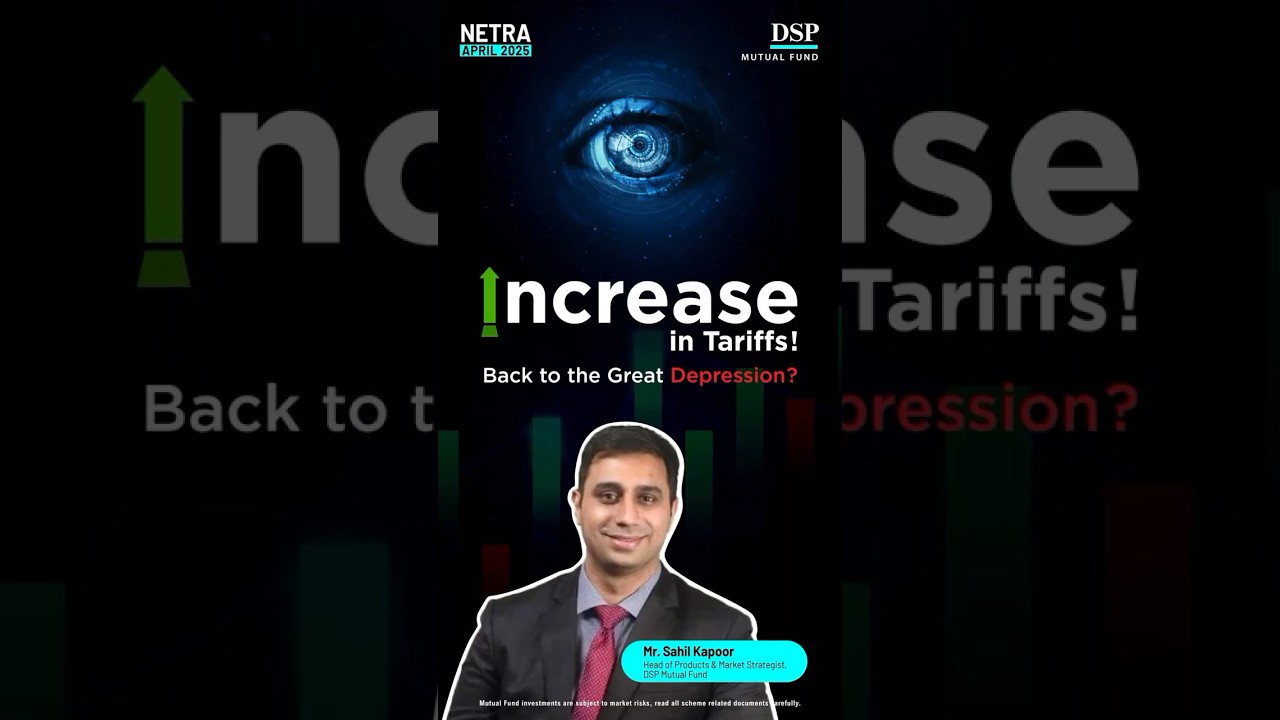

29% Tariffs? How Did We Get Here? Decoding the Complex World of Trade
The world of international trade can often seem like a black box, filled with complex regulations and seemingly arbitrary numbers. Lately, you might have heard murmurs about tariffs, specifically the hypothetical impact of a 29% tariff on various goods. So, how did we get to a point where such a substantial trade barrier is even being discussed?
While the original tweet from @DSPMutualFund_in via Netra likely used the 29% figure hypothetically to illustrate a point, understanding the context behind tariff discussions is crucial. Let’s break down the key factors contributing to this complex landscape:
1. A Shift in Global Trade Dynamics:
- Globalization and its Discontents: For decades, the trend was towards free trade agreements, aiming to reduce tariffs and promote international trade. However, in recent years, there’s been a growing pushback, fueled by concerns about job losses in developed countries, unfair competition, and the rise of trade imbalances.
- The Rise of Protectionism: This pushback has led to a rise in protectionist policies, where countries prioritize domestic industries by imposing barriers on imports, including tariffs. This can be seen as a way to protect local jobs, encourage domestic production, and address trade deficits.
2. The Impact of Geopolitical Tensions:
- Trade Wars: Geopolitical tensions between major economies, such as the United States and China, have led to significant trade disputes and the imposition of retaliatory tariffs. These actions can escalate quickly, affecting numerous industries and consumers.
- National Security Concerns: Some countries argue that certain industries are vital for national security and justify tariffs on imports to protect domestic producers in those sectors. This can apply to industries like steel, aluminum, and technology.
3. Domestic Political Considerations:
- Lobbying and Special Interests: Domestic industries often lobby their governments for protection from foreign competition. These efforts can lead to tariffs or other trade barriers that benefit specific sectors at the expense of consumers and other industries.
- Political Promises: Politicians often make promises to protect domestic jobs and industries, and tariffs can be seen as a way to fulfill these promises, even if the long-term economic consequences are negative.
4. Understanding the Potential Impact of a High Tariff (Like 29%):
- Increased Costs for Consumers: Tariffs raise the cost of imported goods, leading to higher prices for consumers.
- Reduced Trade Volumes: Higher tariffs discourage international trade, potentially harming both importers and exporters.
- Retaliatory Measures: Imposing high tariffs can lead to retaliatory measures from other countries, escalating trade disputes and further disrupting global trade.
- Economic Inefficiency: Tariffs distort market signals and can lead to inefficient allocation of resources, hindering economic growth.
What Can We Do?
Navigating this complex landscape requires informed decision-making. Here are a few points to consider:
- Stay Informed: Keep up-to-date with developments in international trade policy and their potential impact on your business and investments.
- Diversification: If you’re involved in international trade, consider diversifying your markets and supply chains to mitigate the risks associated with tariffs and trade disputes.
- Advocate for Free and Fair Trade: Support policies that promote free and fair trade, while also addressing legitimate concerns about unfair competition and trade imbalances.
The Future of Trade:
The future of international trade is uncertain. While some countries are pushing for greater protectionism, others are advocating for free trade agreements and multilateral cooperation. Understanding the underlying forces driving these trends is crucial for businesses, investors, and policymakers alike. The hypothetical example of a 29% tariff serves as a reminder of the potential consequences of protectionist policies and the importance of promoting a stable and predictable international trade environment.
Disclaimer: This article is for informational purposes only and does not constitute financial advice. Please consult with a qualified financial advisor before making any investment decisions. The specific content of the @DSPMutualFund_in tweet via Netra should be consulted for their specific perspective.
LEARN MORE ABOUT: Investing During Inflation
REVEALED: Best Investment During Inflation
HOW TO INVEST IN GOLD: Gold IRA Investing
HOW TO INVEST IN SILVER: Silver IRA Investing




0 Comments