

3 Smart Things to Do With Your Old 401(k)
Managing your retirement savings is crucial for your financial future, especially when you change jobs or retire. One of the most common financial dilemmas people face is what to do with their old 401(k) plans. Here are three smart strategies to consider to ensure your retirement savings continue to grow effectively.
1. Roll It Over to an Individual retirement account (IRA)
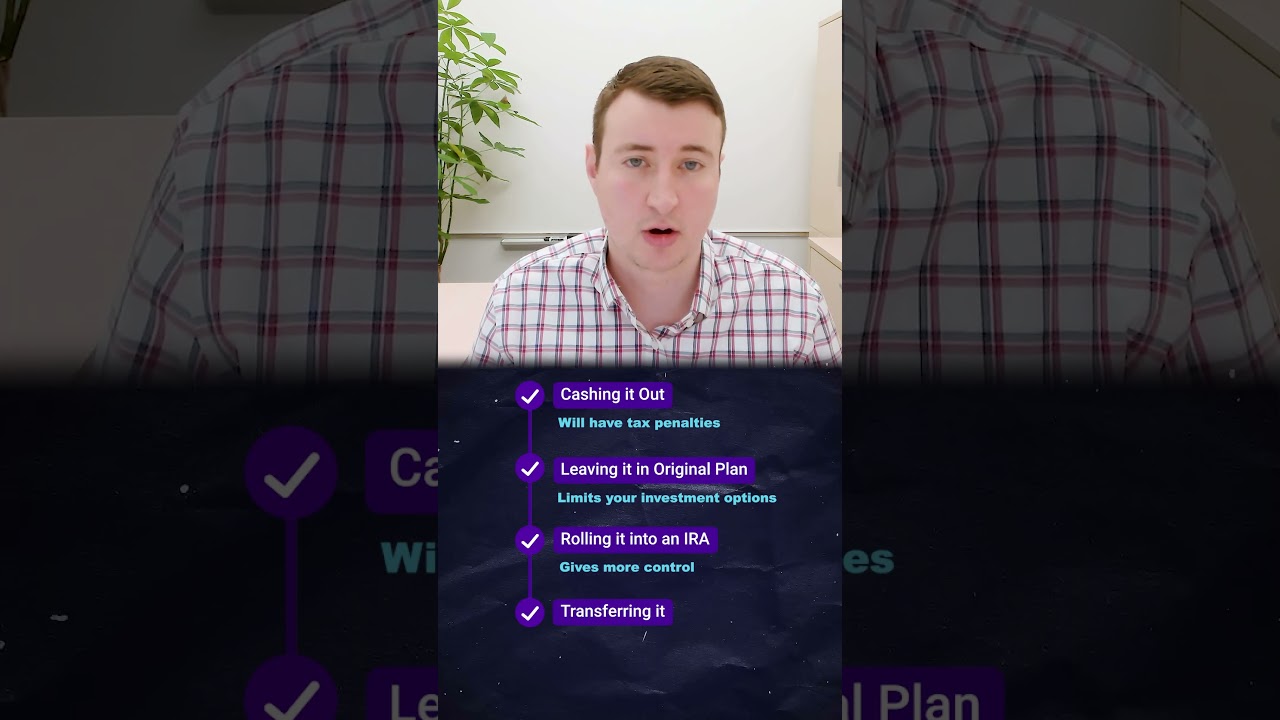
One of the most popular options for handling an old 401(k) is to roll it over into an Individual retirement account (IRA). This option allows you to maintain the tax-deferred status of your retirement savings. Here’s why it’s a smart move:
-
More Investment Choices: IRAs often provide a wider variety of investment options compared to 401(k) plans. This allows for a more tailored investment strategy that aligns with your risk tolerance and long-term goals.
-
Better Control: With an IRA, you have more control over account management, including when to withdraw funds, how to invest, and which financial institutions to use.
- Consolidation: Rolling over your 401(k) into an IRA can simplify your finances. Having all your retirement funds in one account can make tracking your investments easier and improve your overall financial management.
Before rolling over, make sure to understand the fees associated with the IRA and check for any penalties that might apply.
2. Keep It in Your Former Employer’s Plan
If you’re happy with the investment options and performance of your old 401(k), you might consider leaving your money in the plan. Here are some reasons why this could be a wise choice:
-
Credible Investment Options: You may have access to institutional fund options that aren’t available elsewhere. These options could provide lower fees and better performance.
-
Loan Options: Some 401(k) plans allow you to borrow from your balance if you need quick access to cash, which is not an option with IRAs.
- Protection from Creditors: 401(k) plans often have stronger legal protections against creditors than IRAs, which can be beneficial if you face financial difficulties.
However, keep in mind that you may not be able to contribute to the plan anymore, and you’ll also have limited control over the investment selections offered.
3. Cash It Out (With Caution)
While cashing out your 401(k) may seem tempting, especially if you’re in immediate need of cash, this option comes with significant drawbacks. However, if you find yourself in a pinch, there are critical points to consider:
-
Penalties and Taxes: Cashing out before age 59½ usually incurs a 10% early withdrawal penalty, and you’ll also owe income taxes on the distribution. This can substantially reduce the amount you receive.
-
Long-Term Impact: Taking a lump sum can derail your retirement plans. The money you cash out is no longer working for your future, potentially affecting your financial security in retirement.
- Seek Alternatives: If you are considering cashing out due to financial strain, explore alternative solutions like personal loans or hardship withdrawals instead of depleting your retirement savings.
Conclusion
Deciding what to do with an old 401(k) is a significant financial decision that requires careful consideration. Rolling over to an IRA typically provides the most flexibility and investment choices, while keeping it in your former employer’s plan has its advantages as well. Cashing out might offer immediate relief but can have long-lasting negative effects on your retirement savings. Always assess your personal financial situation and consider consulting a financial advisor to make the best choice for your future.
LEARN MORE ABOUT: IRA Accounts
TRANSFER IRA TO GOLD: Gold IRA Account
TRANSFER IRA TO SILVER: Silver IRA Account
REVEALED: Best Gold Backed IRA




0 Comments