

3 Ways to Save for Retirement at Tax Time
As tax season rolls around, many individuals focus on filing their returns and maximizing their refunds. However, this time of year also presents a valuable opportunity to boost retirement savings. By strategically planning your tax-related finances, you can take advantage of tax benefits that make your path to retirement smoother. Here are three effective ways to save for retirement at tax time.
1. Maximize Contributions to Retirement Accounts
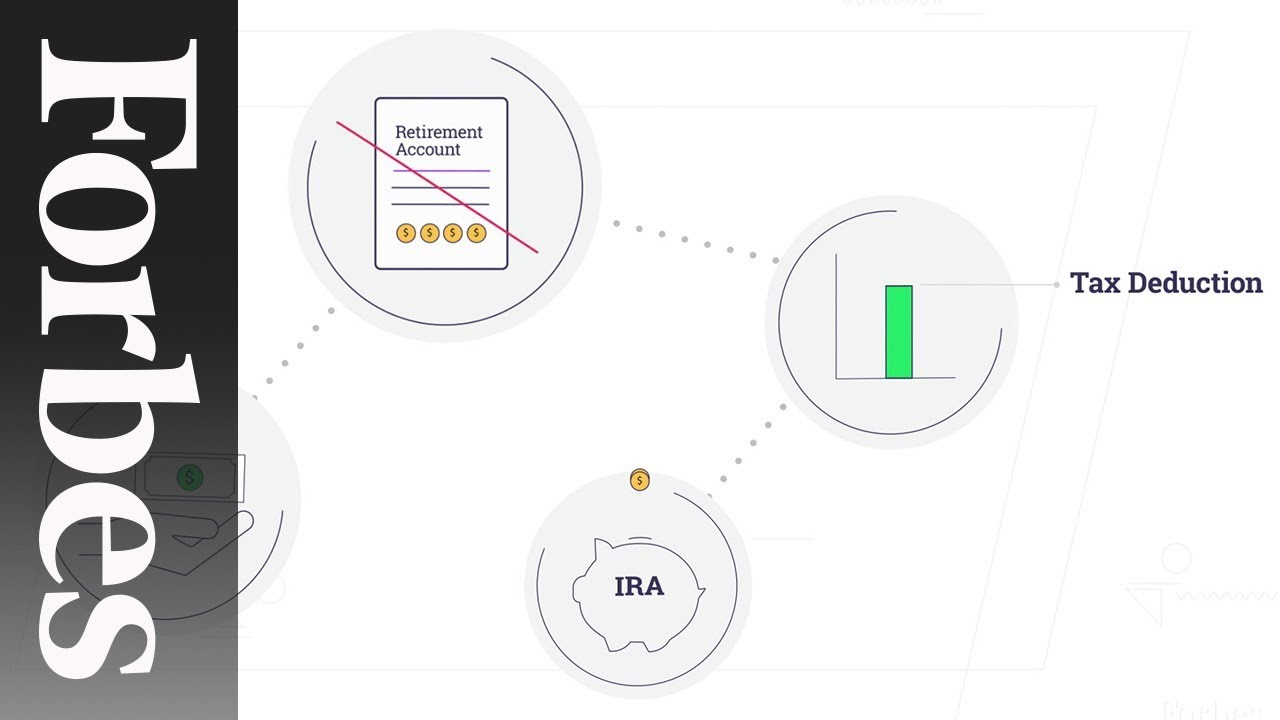
One of the most straightforward ways to enhance your retirement savings during tax season is by maximizing your contributions to retirement accounts. Contributions to traditional IRAs and 401(k) plans can reduce your taxable income, thus lowering your tax bill for the year.
-
Traditional IRA: For the 2023 tax year, individuals can contribute up to $6,500 to a traditional IRA, and those aged 50 and over can add an additional $1,000 as a catch-up contribution. Contributions made by the tax filing deadline can count toward the previous tax year, allowing you to make a last-minute boost to your retirement savings while potentially lowering your taxable income.
- 401(k) Plans: If you’re participating in an employer-sponsored 401(k), aim to contribute the maximum allowed, which is $22,500 for the 2023 tax year. If you’re over 50, the catch-up contribution option allows you to save an additional $7,500, making it a significant opportunity to enhance your retirement savings.
Make sure you’re aware of the deadlines for contributions to ensure they count toward your current tax year.
2. Consider Health Savings Accounts (HSAs)
If you have a high-deductible health plan (HDHP), you may be eligible to contribute to a Health Savings Account (HSA). HSAs are often overlooked when it comes to retirement savings, but they offer impressive tax advantages that can be used for both healthcare costs and retirement.
-
Triple Tax Advantage: Contributions to HSAs are tax-deductible, meaning you can lower your taxable income by contributing to this account. Additionally, the money grows tax-free, and withdrawals made for qualified medical expenses are also tax-free.
- Long-Term Strategy: Unlike Flexible Spending Accounts (FSAs), HSAs allow you to carry over unused funds from year to year, making them a smart long-term savings tool. After age 65, you can withdraw HSA funds for any purpose without facing penalties (though non-medical withdrawals will be taxed as income).
By contributing to your HSA at tax time, you not only prepare for potential medical expenses but also grow a versatile fund that can assist you during retirement.
3. Take Advantage of Tax Credits and Deductions
Tax time is a prime opportunity to leverage various tax credits and deductions that can free up funds to be redirected into retirement savings:
-
Saver’s Credit: If you’re a low to moderate-income earner, you may qualify for the Retirement Savings Contributions Credit, often referred to as the Saver’s Credit. This credit can be worth up to $1,000 for individuals and $2,000 for couples filing jointly, depending on your adjusted gross income (AGI) and contribution amounts made to eligible retirement accounts.
- Medical Deductions: If you are itemizing deductions and have significant unreimbursed medical expenses, know that the excess expenses that exceed 7.5% of your AGI can be deducted. It might be prudent to reallocate funds that you would otherwise spend on out-of-pocket health expenses into your retirement accounts, further reducing your future financial burden.
By reviewing your tax situation and utilizing available credits and deductions, you can increase your retirement savings and build a more secure financial future.
Conclusion
Tax time can be an opportunity not just to fulfill your civic duty but also to upgrade your financial security and retirement savings. By maximizing contributions to retirement accounts, utilizing HSAs wisely, and taking advantage of available tax credits and deductions, you can enhance your retirement strategy significantly. As you prepare to file your taxes, consider how these strategies can work together to help you achieve your long-term retirement goals. Remember, every bit counts when it comes to securing a financially stable future!
LEARN MORE ABOUT: IRA Accounts
CONVERTING IRA TO GOLD: Gold IRA Account
CONVERTING IRA TO SILVER: Silver IRA Account
REVEALED: Best Gold Backed IRA




i will never retire because i am homeless
Hi Forbes I need a favour from you