
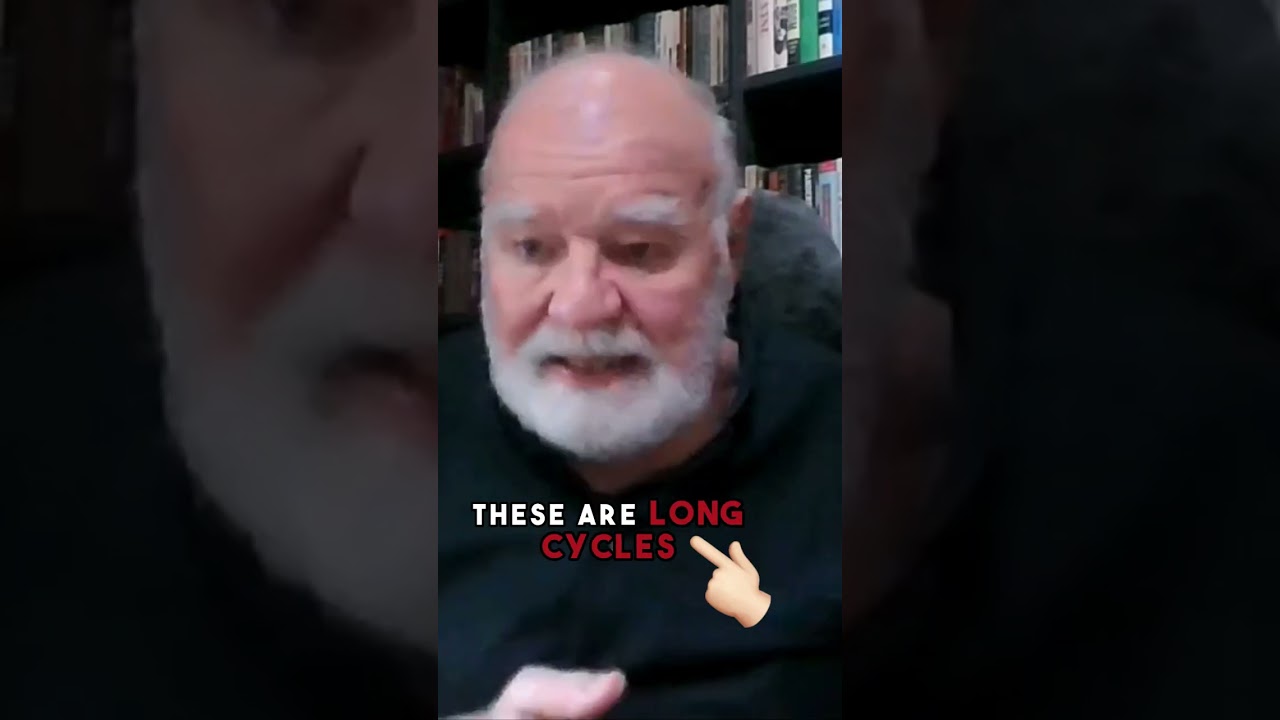

A New Cycle for Interest Rates: Insights from Marc Faber
In the ever-evolving landscape of global finance, economic trends and indicators play a critical role in shaping policies and portfolio strategies. One voice that has consistently offered insightful analysis is Marc Faber, a renowned investor and economic commentator. His perspectives on interest rates—both current trajectories and future possibilities—offer valuable insights for investors, policymakers, and economic enthusiasts alike.
The Context of Interest Rates
Interest rates, set by central banks, are pivotal in directing the flow of capital and influencing economic growth. Over the past decade, many economies have witnessed historically low interest rates, a strategy employed to stimulate growth in the wake of the 2008 financial crisis. However, post-pandemic recovery, inflationary pressures, and geopolitical tensions have led to increasing discussions about a possible shift in monetary policy.
Marc Faber’s Analysis
Marc Faber, affectionately known as the "Dr. Doom" for his sometimes bleak outlooks, has been cautious about the prevailing monetary policies. Faber argues that the current low interest rate environment has fostered asset bubbles across various sectors, including real estate and equities. He posits that artificially low rates encourage excessive borrowing and investment in riskier assets, which leads to imbalances in the economy.
Faber emphasizes that a cycle of rising interest rates is not just a possibility; it may be a necessity. With inflation rates spiking in many economies, driven by supply chain disruptions and increased consumer demand, central banks may have no choice but to tighten monetary policy. Faber warns that this transition could lead to significant market corrections as investors adjust their expectations to a world with higher borrowing costs.
The Implications of Rising Interest Rates
-
Market Volatility: Faber anticipates increased volatility in financial markets as investors recalibrate their positions in response to higher interest rates. Sectors that have thrived on cheap money may experience downturns as valuations reassess based on increased capital costs.
-
Sector Rotation: An environment of rising rates often prompts a rotation among sectors. Faber suggests that more defensive investments—such as utilities and consumer staples—may outperform growth sectors, particularly technology, which flourished in a low-interest world.
-
Real Estate Challenges: With mortgage rates likely to increase alongside general interest rates, the housing market may face headwinds. Faber notes that affordability issues could emerge as potential homebuyers recoil from rising financing costs, potentially leading to a slowdown in property prices.
- Global Considerations: Faber also highlights the international implications of rising U.S. interest rates. Emerging market economies that have benefited from ultra-low rates could face significant capital outflows as investors seek yields in higher-rate environments. This could exacerbate currency volatility and economic instability in these regions.
Preparing for a New Cycle
For investors, Faber’s commentary serves as a wake-up call to reassess strategies in anticipation of changing interest rates. Here are a few steps he suggests:
-
Diversification: Building a diverse portfolio that spans various asset classes can help mitigate risks associated with interest rate fluctuations.
-
Focus on Quality: Investing in fundamentally strong companies with good cash flow and manageable debt levels may provide a safer haven as economic conditions shift.
- Stay Informed: Keeping a close eye on economic indicators, central bank statements, and geopolitical developments can provide critical insights into future interest rate movements.
Conclusion
Marc Faber’s insights into the new cycle of interest rates underscore the importance of adaptability in an unpredictable financial landscape. As economies navigate the complex interplay of inflation, growth, and monetary policy, investors need to be prepared for a transition that could reshape traditional market norms. Faber’s perspective offers a cautious yet insightful road map for understanding the implications of rising interest rates and highlights the necessity of strategic planning for the future. As always, the key to successful investing lies in being informed, adaptable, and prepared for the road ahead.
LEARN ABOUT: Investing During Inflation
REVEALED: Best Investment During Inflation
HOW TO INVEST IN GOLD: Gold IRA Investing
HOW TO INVEST IN SILVER: Silver IRA Investing




The legend, Markus Faber.
I LIKE Mark but to sum it up they create money on a keystroke and charge us high intrest to borrow it.
❤
The man, the myth, the legend, MARC FABER.
Agreeded 50 basis points incoming
I have the highest respect for Mr. Markc Faber.