
[ad_2]
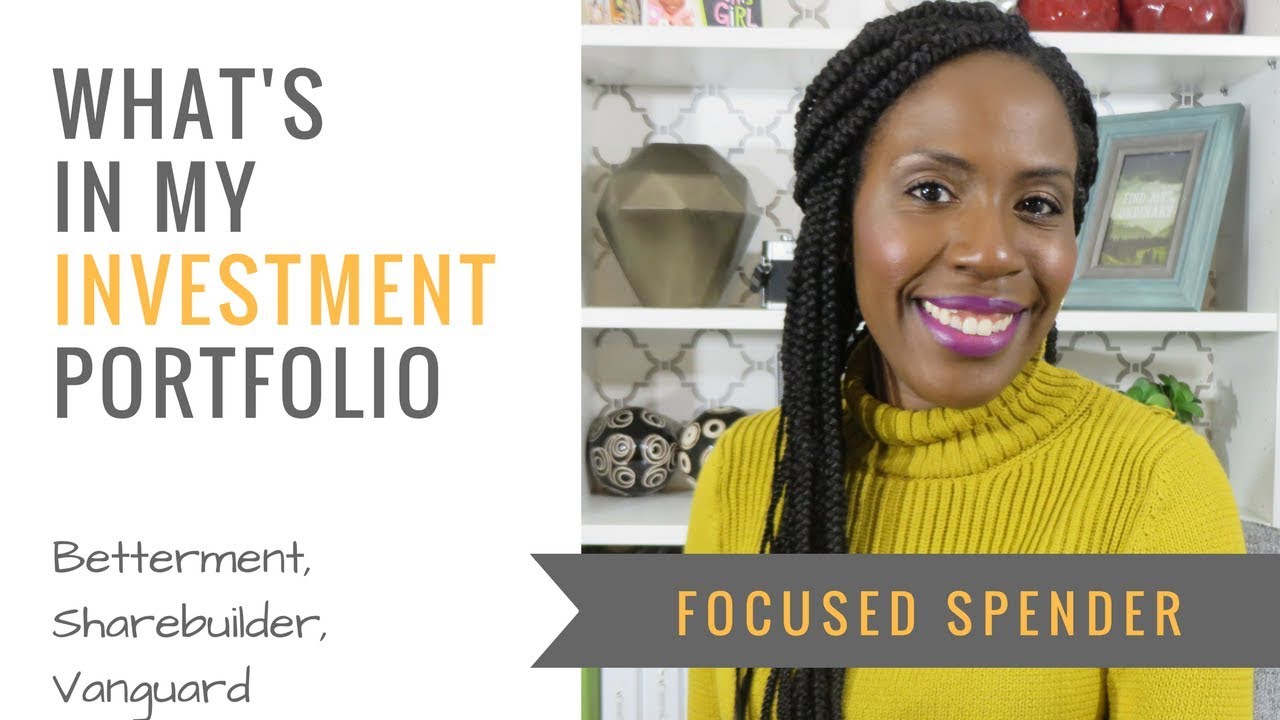
Peeking Behind the Curtain: A Look at What’s in My Investment Portfolio (Sharebuilder, Betterment, and Vanguard)
Transparency is key when it comes to investing. While I’m not advocating sharing your exact account balances, I think it’s helpful to see what strategies and specific investments other people are using. So, I’m pulling back the curtain on my own investment portfolio, which is spread across Sharebuilder, Betterment, and Vanguard. This isn’t financial advice, but rather a snapshot of how I’m diversifying and approaching my financial goals.
A Little Background on My Approach:
My investment strategy is long-term growth focused, aiming for a comfortable retirement and potentially some early retirement flexibility. I prioritize low-cost index funds and ETFs, and I’m comfortable with a moderate to high level of risk given my age and time horizon. I use a diversified approach, spreading my investments across different asset classes and geographic regions.
Breaking Down the Portfolio:
Here’s a breakdown of how my portfolio is distributed and the rationale behind each holding:
1. Sharebuilder: The Old Guard (Long-Term Stocks)
Sharebuilder was my first foray into investing many years ago. While I don’t actively manage this account much anymore, it holds a collection of individual stocks acquired through their former automatic investment program.
- What’s Inside:
- Dominant Sector: Tech (Amazon, Microsoft, Apple): This reflects my early enthusiasm for the tech industry. While heavily weighted, these companies have consistently performed well and I’m holding them for the long haul.
- Blue-Chip Companies (Coca-Cola, Johnson & Johnson): These are more traditional, dividend-paying stocks offering a degree of stability and income.
- Lessons Learned: The high concentration in individual stocks is a reminder of the importance of diversification. While some of these holdings have been incredibly successful, others haven’t performed as well. This reinforces the benefits of index funds and ETFs.
2. Betterment: The Hands-Off Robo-Advisor (Tax-Advantaged Account)
I use Betterment for a Roth IRA, opting for their automated investment management service. This is my most "set it and forget it" account.
- What’s Inside:
- Globally Diversified ETF Portfolio: Betterment’s core strategy involves a mix of low-cost ETFs covering US Stocks, International Stocks, Emerging Markets Stocks, US Bonds, and Inflation-Protected Bonds.
- Asset Allocation Tailored to Risk Tolerance: Based on my age and risk profile, Betterment automatically adjusts the allocation between stocks and bonds, becoming more conservative as I approach retirement.
- Tax-Loss Harvesting: Betterment automatically takes advantage of tax-loss harvesting, a strategy that can help reduce my tax burden.
- Why I Like It: The ease of use, automatic rebalancing, and tax-loss harvesting make Betterment a great option for those who want a hands-off approach to investing.
3. Vanguard: The Index Fund Powerhouse (Taxable Brokerage Account)
Vanguard is my primary brokerage account where I actively manage my investments, primarily focusing on low-cost index funds and ETFs.
- What’s Inside:
- VTI (Vanguard Total Stock Market ETF): This is the cornerstone of my portfolio, providing broad exposure to the entire US stock market.
- VXUS (Vanguard Total International Stock ETF): This ETF provides diversification beyond US borders, covering developed and emerging markets.
- BND (Vanguard Total Bond Market ETF): A smaller portion is allocated to bonds for diversification and potential downside protection during market downturns.
- Real Estate ETF (VNQ – Vanguard Real Estate ETF): Added for further diversification into the Real Estate sector.
- Why I Like It: Vanguard’s incredibly low expense ratios are a major draw. I appreciate the control I have over asset allocation and the flexibility to adjust my portfolio as needed.
Key Takeaways and Lessons Learned:
- Diversification is Essential: Spreading my investments across different asset classes, sectors, and geographic regions is crucial for mitigating risk.
- Low Costs Matter: High expense ratios can eat into your returns over the long term. Opting for low-cost index funds and ETFs has a significant impact.
- Robo-Advisors Offer Convenience: For those who prefer a hands-off approach, robo-advisors like Betterment can be a great option.
- Start Early and Stay Consistent: The power of compounding is real! Starting early and consistently contributing to my investment accounts, even small amounts, has made a big difference.
- Re-evaluate Regularly: While I maintain a long-term perspective, I regularly review my portfolio to ensure it aligns with my goals and risk tolerance.
Disclaimer: This is just a snapshot of my investment portfolio and should not be taken as financial advice. Your own investment strategy should be tailored to your individual circumstances, financial goals, and risk tolerance. Consult with a qualified financial advisor before making any investment decisions.
What about you? What are some of your favorite investments and strategies? Share in the comments below!
LEARN MORE ABOUT: IRA Accounts
INVESTING IN A GOLD IRA: Gold IRA Account
INVESTING IN A SILVER IRA: Silver IRA Account
REVEALED: Best Gold Backed IRA


Damn you are so cute. I'm getting my stuff together so I could get an Alpha female like you. Someone who is interested in investing for the future.
Do you plan to retire early? In my early 30’s I pulled all of my 401k money out and paid off my small student loan balance and bought my first multi family rental property and later bought another. I have a small account with Capital One investing but I don’t consistently put funds in. I need to have access to the fruits of my investing now and in the future. Those various accounts build wealth only when you pull $ out to buy assets with an immediate return. Funds in those accts will yield wealth in retirement and for me, that’s too long and not a way to live.
Two questions! Have you explored Betterment's tax loss harvesting?I ask because your portfolio is very diversified so if you sell a security that is similar to something they have, and they have Tax Loss Harvesting enabled, you may incur a wash sale (which would be bad).
Second question! You mentioned in another video that oyu hvae a financial advisor. Can you comment on that? Outside of picking stocks and such do you see any benefit to them?
Appears Capital One Investing took over Sharebuilder website.
can you show us how to buy stocks? you explain things so nicely and slowly. I know you said yoiu are not good at it but just the process what we choose is up to us.
Great information…thanks!
Damn, you have all those? So do you stay with any money for yourself? Lol
Thanks for sharing! You are such an inspiration. I have an IRA but it is not making any money whatsoever. I need to change things up a bit.
Awesome video
First like and first post!!!
Could you do A video on getting out of debit and investing. Too many of us only one or the other.