

Target Date Funds: Pros and Cons
Target date funds have become a popular choice for investors looking to simplify their retirement planning. These funds are designed to automatically adjust their asset allocation based on a specific target retirement date. As more people turn to these funds, it’s essential to understand their advantages and disadvantages to make an informed investment decision.
What Are Target Date Funds?
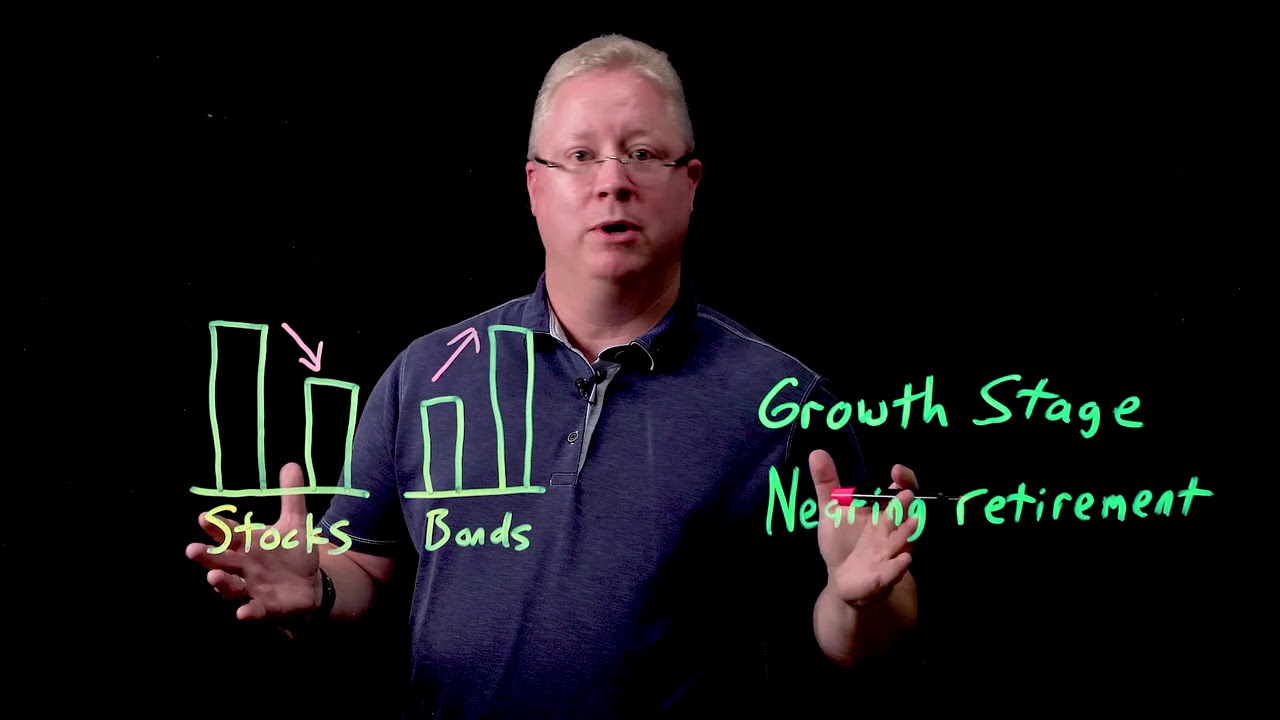
Target date funds (TDFs) are mutual funds or exchange-traded funds (ETFs) that are structured to evolve over time. When investing in a TDF, you typically select a fund with a target date that aligns with your expected retirement year. For example, if you plan to retire around 2050, you would choose a fund labeled “2050.” The fund managers will gradually shift the asset allocation from a higher percentage of equities (higher-risk investments) to a higher percentage of fixed-income securities (lower-risk investments) as the target date approaches.
Pros of Target Date Funds
-
Simplicity: One of the most significant advantages of target date funds is their simplicity. Investors need only select a fund with a target date that matches their retirement timeline. This makes them an appealing option for those who may not have a deep understanding of investing or those who prefer a hands-off approach.
-
Automatic Rebalancing: Target date funds automatically adjust their asset allocation over time. This automatic rebalancing allows for a more conservative investment approach as retirement nears, which can help mitigate risk.
-
Diversification: TDFs typically invest in a mix of asset classes, including stocks, bonds, and sometimes alternative investments. This diversification can help investors spread risk, potentially leading to more stable returns over time.
-
Professional Management: When you invest in a target date fund, you benefit from the expertise of professional fund managers. They are responsible for maintaining the fund’s asset allocation, which can relieve individual investors of the need to constantly monitor and adjust their portfolios.
- Convenience for Retirement Plans: Target date funds are often included as investment options in employer-sponsored retirement plans, such as 401(k) accounts. This makes them an easy choice for employees looking to invest for retirement without extensive research.
Cons of Target Date Funds
-
Fees: While TDFs can save time, they often come with higher fees than other investment options. The management fees and expense ratios can eat into returns over time, particularly for those who hold the fund for many years.
-
Lack of Customization: Target date funds follow a predetermined strategy based on the target date. This means that they may not align perfectly with every person’s specific financial situation or risk tolerance. Some investors might prefer a more customized approach to asset allocation.
-
Market Risks: Although TDFs aim to reduce risk as the target date approaches, they are still subject to market fluctuations. During market downturns, the value of a TDF can decline significantly, which could be concerning for investors close to retirement.
-
Performance Variability: Not all target date funds are created equal. They can vary widely in terms of performance based on the underlying investments and the strategy of the fund managers. This variability can make it difficult for investors to choose the best fund for their needs.
- Over-reliance on One Fund: Investors who use TDFs may become overly reliant on this single investment to secure their retirement. This could lead to a lack of awareness about other investment opportunities and strategies that may be more beneficial.
Conclusion
Target date funds offer a convenient and straightforward option for retirement saving, making them suitable for many investors. However, like any investment, they come with their own set of advantages and disadvantages. Before choosing a TDF, individuals should carefully consider their investment goals, fees, and whether this approach aligns with their financial situation. As with any investment, a comprehensive strategy that includes diversification and active monitoring is essential for achieving long-term financial success.
LEARN MORE ABOUT: Thrift Savings Plans
REVEALED: Best Investment During Inflation
HOW TO INVEST IN GOLD: Gold IRA Investing
HOW TO INVEST IN SILVER: Silver IRA Investing




0 Comments