

What Can I Do With My 529 Plan Money If I Don’t Use It All for College? Insights from the SECURE Act 2.0
As parents and guardians increasingly look for ways to save for their children’s education, 529 plans have emerged as a popular option. These tax-advantaged savings plans allow families to set aside money specifically for future educational expenses, typically for college. However, life does not always go as planned, and many individuals find themselves with excess funds in their 529 accounts. Understanding what to do with that surplus money is crucial, especially with changes introduced by the SECURE Act 2.0.
What Are 529 Plans?
529 plans are tax-advantaged savings accounts designed to encourage saving for future education costs. The money contributed grows tax-free, and withdrawals used for qualified education expenses are also tax-free. Qualified expenses generally include tuition, fees, room and board, books, and supplies needed for enrollment.
What Happens If You Don’t Use All the Funds?
If you don’t use all the money saved in your 529 plan, you have a few options. Let’s explore these potential avenues, especially in the context of the SECURE Act 2.0.
1. Roll Over to a Sibling’s Account
One of the most straightforward options is rolling the funds into a 529 plan for another child or relative. This option allows you to keep the tax benefits while supporting an additional beneficiary with educational expenses. The rollover does not incur tax penalties, maintaining the tax-advantaged status of the funds.
2. Use for Qualified Education Expenses Beyond College
Thanks to the SECURE Act 2.0, there are expanded opportunities to use 529 plan funds beyond traditional college expenses. For example, recent provisions allow withdrawals to cover registered apprenticeship programs and certain costs associated with K-12 education (subject to state regulations).
3. Pay Off Student Loans
Another change introduced by the SECURE Act 2.0 is the ability to use 529 plan funds to pay off student loans, making it a viable option for those who graduated with remaining debt. You can withdraw up to $10,000 from a 529 account to help pay down the principal of student loans for the beneficiary or their siblings. This provides a way to direct any remaining funds to alleviate student debt burdens.
4. Convert to a Roth IRA
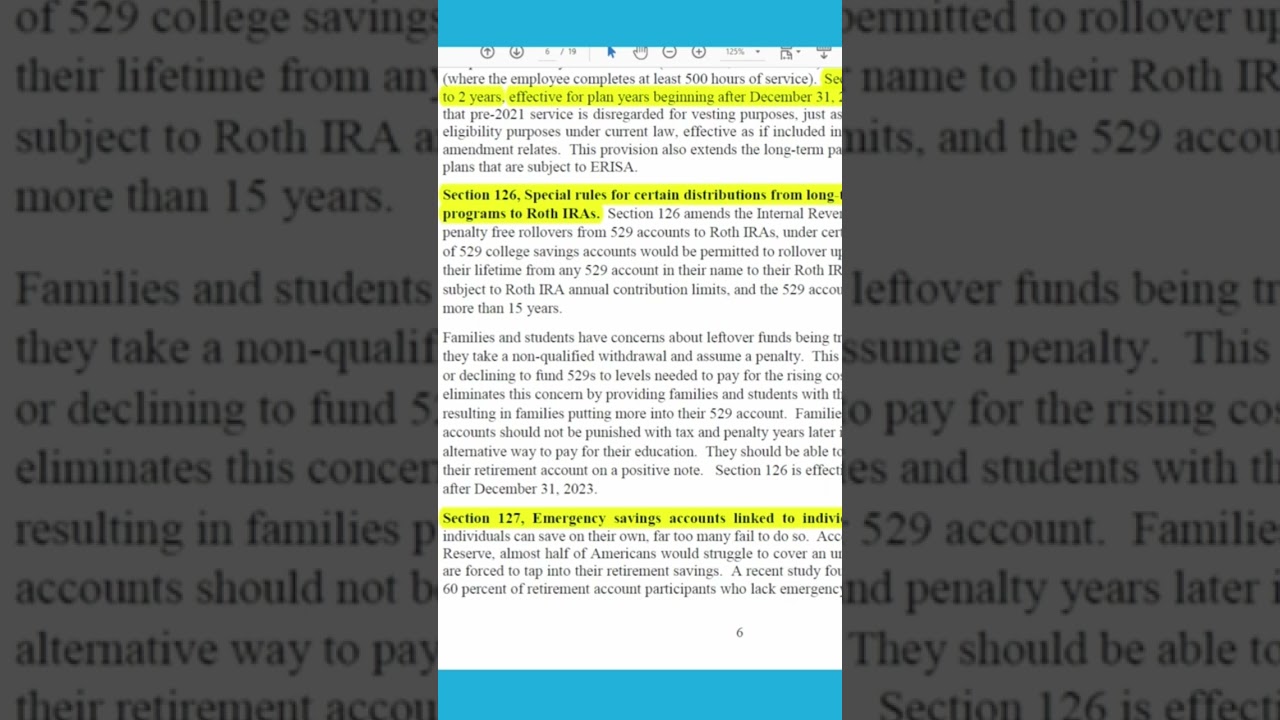
Perhaps one of the most significant changes under the SECURE Act 2.0 is the ability to roll over unused 529 plan funds into a Roth IRA for the beneficiary, subject to certain conditions. This rollout option can only occur after the account has been open for at least 15 years and is capped at a lifetime maximum of $35,000. This provision can provide a unique opportunity for those looking to save for retirement, allowing education funds to transform into retirement savings if needed.
5. Withdraw for Non-Qualified Expenses
You can always withdraw the leftover money for non-qualified expenses; however, be prepared to pay taxes on the earnings and a 10% penalty on the gains. This is typically an option of last resort since you lose the tax advantages associated with the 529 plan.
6. Leave it for Future Educational Needs
You may also decide to leave the funds in the account for future educational needs. This gives you the flexibility to revisit the decision later or to use the funds for future education, maybe for advanced degrees or certifications.
Conclusion
Excess funds in a 529 plan don’t have to be a source of stress. With the SECURE Act 2.0’s provisions, families have more options than ever before for smartly managing their 529 savings. Whether you decide to roll the funds over to another family member, use them for student debt, or even convert them into a Roth IRA, these options allow you to tailor your financial strategy around your family’s needs. Always consult with a financial advisor or tax professional to ensure that you make the best decision for your specific situations and to understand any potential implications fully.
LEARN MORE ABOUT: IRA Accounts
CONVERTING IRA TO GOLD: Gold IRA Account
CONVERTING IRA TO SILVER: Silver IRA Account
REVEALED: Best Gold Backed IRA




0 Comments