
[ad_2]
How to Analyze a Fund in Fidelity (Part 3)
In parts 1 and 2 of our guide, we discussed the foundational concepts of fund analysis, including understanding various fund types and the key metrics to consider when evaluating a fund. In this third part, we will delve deeper into practical strategies for analyzing a fund using Fidelity’s platform. This includes using the tools offered by Fidelity, examining fees and expenses, and learning how to interpret performance data.
Utilizing Fidelity’s Tools for Analysis
Fidelity offers a robust set of tools that make fund analysis accessible and user-friendly. Here are some of the key features you should take advantage of:
1. Fund Research Center
Fidelity’s Fund Research Center is a powerful resource that consolidates crucial information about a wide array of mutual funds and ETFs. It provides insights into performance history, risk metrics, and manager information. Here’s how to use it effectively:
- Search and Filter Funds: Use the search bar to find specific funds or filter funds based on your criteria (like asset class, performance, or ratings).
- Compare Funds: You can compare multiple funds side by side by selecting them from your search results. This feature visualizes differences in returns, volatility, fees, and other important metrics.
2. Interactive Charts
Fidelity allows users to visualize fund performance through interactive charts. These charts can help you understand trends over different time periods:
- Custom Time Frames: Adjust date ranges to see how funds have performed during specific market conditions.
- Benchmark Comparison: Overlay the fund’s performance against relevant benchmarks to gauge relative performance.
3. Morningstar Ratings
Fidelity provides Morningstar ratings for funds, which summarize a fund’s historical risk-adjusted performance. Look for the star rating that indicates how the fund compares to its peers, but remember to analyze the underlying factors contributing to that rating.
4. Insights and News
Stay updated by checking for recent news articles and insights related to the funds you are considering. Fidelity aggregates news and expert commentary that can provide context around performance shifts or management changes, influencing your investment decisions.
Examining Fees and Expenses
When analyzing a fund, understanding the fees involved is crucial. High fees can significantly eat into your returns over time. Here are the key fees to examine:
1. Expense Ratio
The expense ratio expresses the annual fees as a percentage of the fund’s average net assets, encompassing management fees, administrative costs, and other operational expenses. Compare the expense ratios of similar funds to determine their cost-effectiveness.
2. Load Fees
Some funds charge load fees, which are sales charges either at the time of purchase (front-end load) or when selling the investment (back-end load). Be mindful of these charges as they can impact your overall returns.
3. Other Fees
Look out for transaction fees, account fees, or redemption fees that may apply to your investment. Fidelity typically offers a range of no-load funds, which can be more cost-effective.
Interpreting Performance Data
Once you’ve analyzed costs, it’s time to assess the performance data. Here’s how to effectively interpret these metrics:
1. Total Return
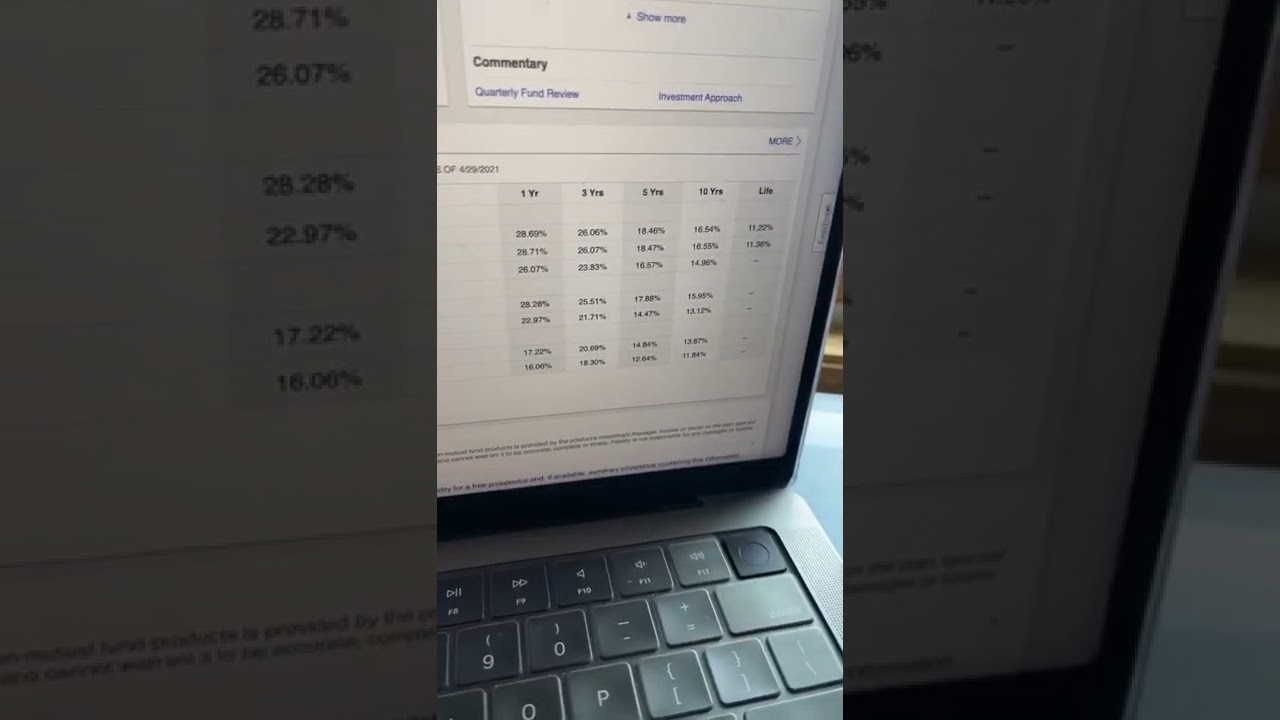
Evaluate the fund’s total return over various time frames (1-year, 3-year, 5-year, and since inception). Examine both absolute returns and performance relative to benchmarks.
2. Risk Metrics
Understanding risk is as crucial as measuring returns. Look at standard deviation (to gauge volatility) and beta (to assess the fund’s sensitivity to market movements). A fund with high returns may not be appealing if it takes on excessive risk.
3. Consistency of Returns
Check if the fund has maintained consistent returns over time. Evaluate rolling returns to understand how the fund performs across various market cycles.
4. Manager Performance
Investigate the fund manager’s track record and tenure. A good manager can be a vital factor in a fund’s performance, particularly in actively managed funds where decisions rest on managerial expertise.
Conclusion
In Part 3 of our series on analyzing a fund in Fidelity, we have discussed practical tools and strategies to conduct a thorough fund evaluation. Remember, successful fund analysis involves looking beyond returns; it’s about seeking a holistic view that includes fees, performance consistency, risk factors, and the manager’s reputation. Utilizing Fidelity’s robust platform can empower you to make informed investment decisions that align with your financial goals. In our next session, we will explore the nuances of portfolio construction and how to strategically incorporate analyzed funds into your investment strategy. Stay tuned!
LEARN MORE ABOUT: IRA Accounts
CONVERT IRA TO GOLD: Gold IRA Account
CONVERT IRA TO SILVER: Silver IRA Account
REVEALED: Best Gold Backed IRA



Thaks you loveee