
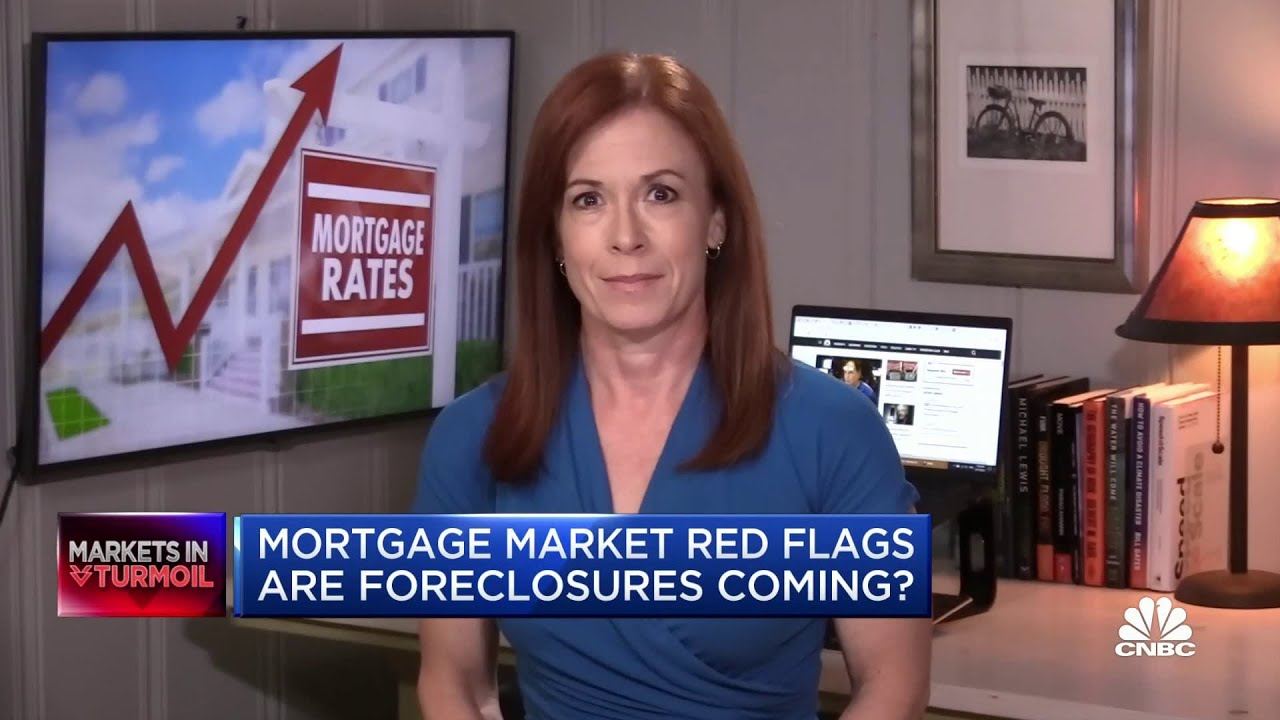

Are Foreclosures Coming? Here Are the Mortgage Market Red Flags
As the housing market fluctuates and interest rates remain volatile, many potential homebuyers, homeowners, and investors are left to wonder: Are foreclosures on the horizon? While the situation can be complex, several red flags in the mortgage market signal potential trouble ahead. Understanding these indicators can help homeowners make informed decisions and prepare for possible changes in the real estate landscape.
Current State of the Mortgage Market
The mortgage market serves as a barometer for broader economic conditions. With the recent increases in interest rates by the Federal Reserve to combat inflation, many existing homeowners with lower fixed-rate mortgages face an increasing pressure to either refinance or sell, particularly those whose financial situations have changed. This leads to a trickle-down effect on the housing market, altering demand and pricing.
Red Flag #1: Rising Interest Rates
One of the most significant indicators of potential foreclosures is the trajectory of interest rates. As borrowing costs increase, fewer buyers can afford homes, reducing demand. This can lead to falling home prices, putting many homeowners who bought at peak values in a precarious position. If economic conditions worsen and unemployment rises, we could see a wave of defaults from homeowners unable to keep up with higher monthly payments or who find their properties worth less than their outstanding loans.
Red Flag #2: Increased Delinquencies
A critical metric to monitor is the rate of mortgage delinquencies. As of 2023, reports indicate that delinquencies began to tick upwards after several years of declines. An uptick suggests that more homeowners are struggling to make their mortgage payments, which can lead to increased foreclosure rates as lenders begin to take action against non-paying borrowers. If this trend accelerates, it could signal a broader economic shift.
Red Flag #3: A Surge in Adjustable-Rate Mortgages (ARMs)
In the aftermath of previous economic crises, many homeowners transitioned to fixed-rate mortgages to stabilize their payments. However, an increase in adjustable-rate mortgages (ARMs) can indicate shifting market strategies. While ARMs can be attractive initially due to lower initial rates, they come with the risk of payment increases when the rates adjust. If homeowners with ARMs find themselves unable to manage higher payments, particularly in a tight economy, the resulting defaults could lead to a spike in foreclosures.
Red Flag #4: Economic Uncertainty
Economic conditions play a substantial role in the health of the housing market. Factors such as rising unemployment rates, stagnant wages, or geopolitical tensions can create uncertainty that discourages consumer spending and home purchasing. If a significant portion of the workforce faces layoffs or reduced income, the risk of default increases, raising the specter of foreclosure.
Red Flag #5: An Increase in Investment Purchases
An unusual increase in purchases of investment properties can also raise eyebrows. Investors may flood into the market when prices are perceived as undervalued, especially during economic downturns. However, if these investments do not pan out, it can lead to widespread foreclosures, particularly if investors find it difficult to rent properties or if housing values continue to decline post-purchase.
Conclusion: Keeping a Close Watch
While the signs can be concerning, it is essential not to jump to conclusions prematurely. The housing market is cyclical, and various factors—both positive and negative—will influence outcomes. Homeowners should keep a close eye on mortgage rates, economic indicators, and local housing markets to assess their situation. Measures such as seeking refinancing options, staying in touch with lenders, or exploring local assistance programs can offer solutions should the market trend toward higher foreclosure rates.
While foreclosures may be a possibility, staying informed and proactive can help navigate the challenges ahead. Potential buyers and current homeowners must utilize these insights to make sound decisions in an ever-changing mortgage landscape.
BREAKING: Recession News
REVEALED: Best Investment During Inflation
HOW TO INVEST IN GOLD: Gold IRA Investing




0 Comments