
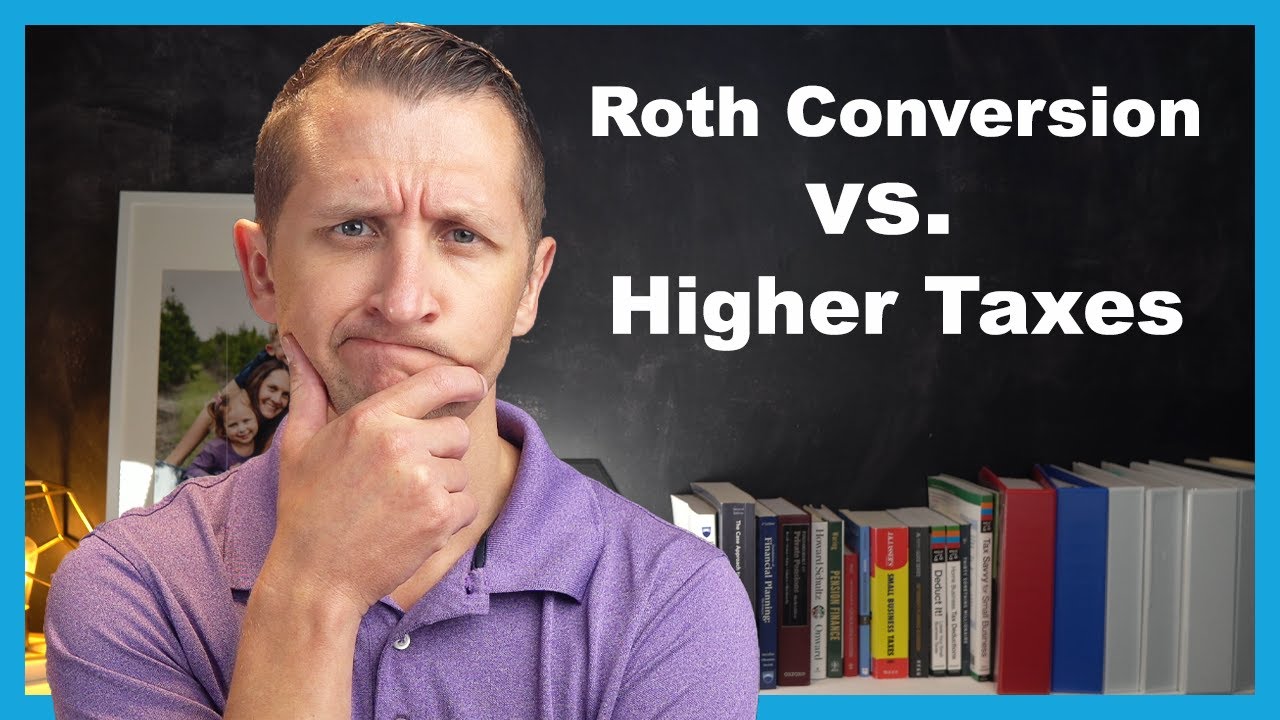

Are Roth Conversions into a Higher Tax Bracket Worth It?
When it comes to retirement planning, the decision to convert a traditional retirement account into a Roth IRA is one that often raises eyebrows, especially if it means pushing yourself into a higher tax bracket for the year of conversion. While the idea of paying more taxes now can be daunting, a deeper analysis may reveal that a Roth conversion may still be a strategic move.
Understanding Roth Conversions
A Roth conversion involves transferring funds from a traditional retirement account (such as a Traditional IRA or 401(k)) into a Roth IRA. The major difference is that while contributions to a traditional account are made pre-tax, Roth accounts allow for tax-free withdrawals during retirement, provided certain conditions are met.
When you perform a Roth conversion, the amount you convert is added to your taxable income for the year, which can potentially push you into a higher tax bracket. This leads many individuals to question whether the immediate tax implications outweigh the benefits of tax-free growth and withdrawals in the future.
The Pros of Roth Conversions
-
Tax-Free Growth and Withdrawals: Once funds are in a Roth IRA, they grow tax-free. Additionally, qualified withdrawals during retirement are also tax-free, which can provide significant tax saving in the long run, especially if you believe your tax rate during retirement will be higher than it is now.
-
No Required Minimum Distributions (RMDs): Traditional IRAs come with mandatory withdrawals starting at age 72, which can affect your tax situation in retirement. A Roth IRA, however, does not require withdrawals while you are alive. This means you can allow your investments to grow for a longer period, potentially leading to greater wealth accumulation.
-
Flexibility in Withdrawal Timing: Since the principal in a Roth IRA can be withdrawn tax-free at any time, having funds in a Roth can provide considerable flexibility, particularly if you need to manage your taxable income in retirement.
- Estate Planning Advantages: Roth IRAs can be beneficial for heirs; they will not pay income tax on distributions. This can make a Roth IRA an attractive vehicle for passing on wealth.
The Cons of Roth Conversions
-
Immediate Tax Liability: The primary disadvantage of a Roth conversion is the immediate tax burden. If the conversion bumps you into a higher tax bracket, you will pay more taxes in the conversion year. This could potentially impact your current financial situation or reduce funds available for immediate use.
-
Impact on Financial Aid and Benefits: For those still paying for education or receiving certain benefits, an increase in taxable income due to a Roth conversion could affect eligibility.
- Future Tax Increases: While many financial planners believe that taxes may rise in the future, it is uncertain. If tax rates remain stable or decrease, a Roth conversion might not provide the anticipated benefits.
Assessing Your Situation
To determine if a Roth conversion into a higher tax bracket is worth it, consider the following:
-
Current vs. Future Tax Rate: If you believe that your tax rate will be higher in retirement than it is now, it may be worthwhile to pay the tax now. Conversely, if you expect a lower rate in retirement, a conversion may not be in your best interest.
-
Time Horizon: Roth IRAs are generally more advantageous for younger investors who have more time to let their investments grow tax-free. If you’re closer to retirement, you may need to be more cognizant of your tax situation.
-
Income Level Stability: If your income is likely to increase in future years, realizing taxes now via a conversion may allow you to take advantage of a lower tax bracket today.
- Long-Term Investment Strategy: If you intend to leave a legacy, a Roth conversion might align well with your estate planning goals, potentially providing tax-free wealth to your heirs.
Conclusion
Ultimately, whether a Roth conversion into a higher tax bracket is worth it depends heavily on your individual financial situation, your goals for retirement, and your outlook on future tax rates. Consulting with a tax advisor or financial planner can provide personalized insight to help you make an informed decision. While the prospect of paying higher taxes today can be off-putting, the benefits of tax-free growth and withdrawals in the future may make a Roth conversion a valuable strategic move for many individuals.
LEARN MORE ABOUT: IRA Accounts
INVESTING IN A GOLD IRA: Gold IRA Account
INVESTING IN A SILVER IRA: Silver IRA Account
REVEALED: Best Gold Backed IRA




I'm 76, single, 600K in IRA, in the federal 35% +3.8%+ NY tax of 6.85%. Have a pension, ss, dividends to live off. Should I convert to roth? I know I missed the boat but spouse died unexpectedly and market has pushed up value of IRA. Thanks
Are you doing a video on SECURE act 2.0?