
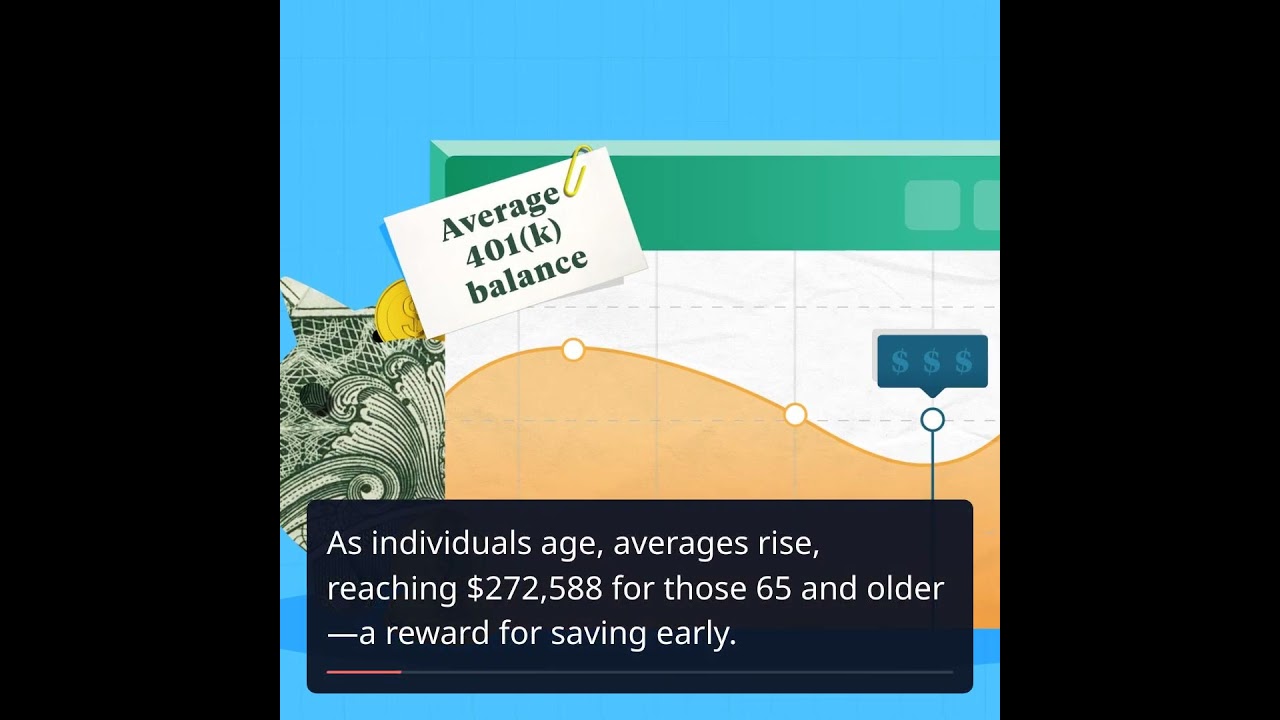

Unveiling 2025’s Average 401(k) Balances: Are You On Track?
As we look ahead to 2025, a question looms large for millions of Americans: How well am I preparing for retirement? A key indicator of that preparation is the balance of your 401(k) account. Understanding the projected average 401(k) balances for 2025 can provide a valuable benchmark to assess your own progress and make necessary adjustments to your savings strategy.
Predicting the Landscape: What to Expect in 2025
While predicting the exact average 401(k) balance for 2025 is an inexact science, we can make informed estimations based on several factors, including:
- Historical Growth: Analyzing past 401(k) performance and market trends offers a valuable foundation for projection.
- Economic Outlook: Factors like inflation, interest rates, and overall economic growth significantly impact investment returns.
- Contribution Rates: Individual and employer contributions directly influence account growth.
- Age Demographics: Age plays a crucial role, as individuals closer to retirement typically have larger balances.
Based on these factors, financial analysts predict a modest growth in average 401(k) balances leading into 2025, assuming continued, albeit potentially volatile, market performance. However, these figures come with a caveat: averages can be misleading. They often mask the significant disparities between different age groups, income levels, and investment strategies.
A Closer Look at Age-Based Averages: Where Do You Stand?
Instead of focusing solely on a single average, understanding age-based benchmarks provides a more accurate picture of your retirement readiness. While projections for 2025 are not yet concrete, based on historical data and current market conditions, here’s a general guideline:
- Early Career (25-35): Aiming for at least 0.5 to 1 times your annual salary in your 401(k) is a good starting point. This is crucial for harnessing the power of compounding early on.
- Mid-Career (35-50): Ideally, you should have 2 to 4 times your annual salary saved. This is the critical phase for accelerating your savings efforts.
- Late Career (50-65): With retirement on the horizon, aiming for 6 to 8 times your annual salary becomes increasingly important. This ensures a comfortable income stream during your golden years.
Important Considerations: Beyond the Averages
Remember, these are just guidelines. Your individual retirement needs will vary depending on factors like:
- Desired Retirement Lifestyle: A more lavish lifestyle will require significantly more savings.
- Other Retirement Income Sources: Social Security, pensions, and other investments should be factored into your calculations.
- Debt Levels: Reducing debt burdens can free up more funds for retirement savings.
- Health Care Costs: Preparing for potentially rising healthcare expenses is crucial.
Taking Action: Getting On Track or Staying Ahead
If your current 401(k) balance falls short of the projected averages for your age group, don’t despair! Here are some actionable steps you can take:
- Increase Your Contribution Rate: Even a small increase in your contribution can make a significant difference over time.
- Take Advantage of Employer Matching: If your employer offers a matching contribution, ensure you’re contributing enough to maximize this benefit – it’s essentially free money!
- Review Your Investment Allocation: Ensure your investment portfolio aligns with your risk tolerance and retirement goals. Consider consulting with a financial advisor.
- Minimize Fees: Be aware of any fees associated with your 401(k) plan and explore options with lower costs if possible.
- Seek Professional Advice: A qualified financial advisor can provide personalized guidance tailored to your specific circumstances.
Looking Ahead: The Importance of Proactive Planning
Planning for retirement is a marathon, not a sprint. Regularly reviewing your 401(k) progress and making necessary adjustments is crucial for achieving your financial goals. By understanding the projected average balances for 2025 and proactively managing your savings strategy, you can increase your chances of a comfortable and secure retirement. Don’t wait; start planning today!
By staying informed, taking action, and seeking expert advice, you can confidently navigate the complexities of retirement planning and secure your financial future.
LEARN MORE ABOUT: IRA Accounts
INVESTING IN A GOLD IRA: Gold IRA Account
INVESTING IN A SILVER IRA: Silver IRA Account
REVEALED: Best Gold Backed IRA



Explore how soothing music can enhance your focus while planning your financial future—check our Bio to discover a playlist!