
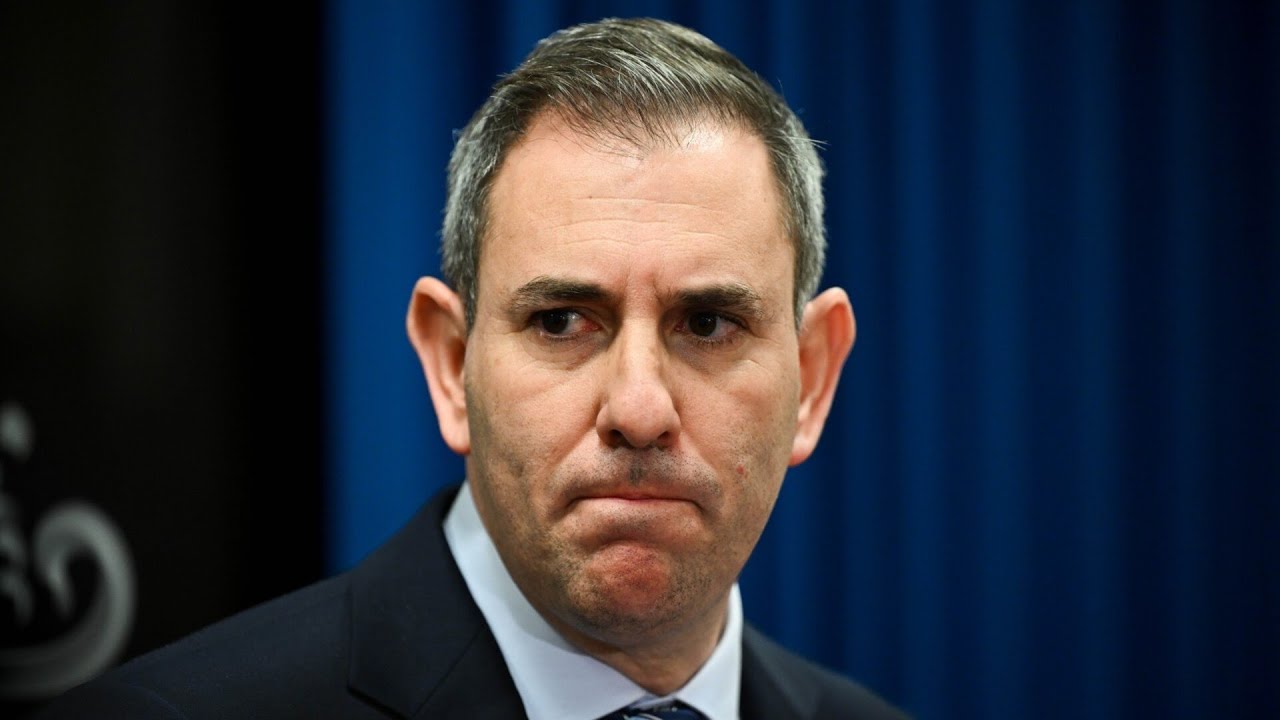

Why Australians Should Be Wary of the Treasurer’s Economic Roundtable
Treasurer Jim Chalmers recently announced the establishment of an Economic Roundtable, a forum designed to bring together leading economists, business figures, and community representatives to advise the government on navigating Australia’s complex economic challenges. While the stated purpose of fostering collaboration and generating innovative solutions is undoubtedly laudable, Australians should approach this initiative with a healthy dose of skepticism and even, dare we say, apprehension.
The concern isn’t necessarily about the qualifications of those likely to be invited. It’s the inherent power dynamics, potential for groupthink, and the historical track record of such advisory bodies that warrant a wary eye.
The Echo Chamber Effect:
Economic roundtables, by their very nature, tend to attract individuals who share broadly similar economic philosophies. This creates an environment where dissenting voices can be marginalized and unconventional ideas stifled. While diversity in perspectives is often touted as a goal, the reality is that mainstream economic thinking often dominates such forums. This can lead to policy recommendations that reinforce existing power structures and fail to address the root causes of economic inequality.
Serving Specific Interests:
While the Treasurer likely intends for the roundtable to act in the national interest, the presence of powerful business figures inevitably raises concerns about the potential for special interest lobbying. Businesses understandably want to shape policy to benefit their bottom line, and a closed-door forum like this provides a privileged opportunity to do so. This could lead to policy recommendations that prioritize corporate profits over the needs of everyday Australians, potentially exacerbating wealth inequality and further eroding trust in government.
Lack of Transparency and Accountability:
The inner workings of these roundtables are often shrouded in secrecy. The minutes of meetings are rarely made public, and the specific advice provided to the government remains largely confidential. This lack of transparency makes it difficult for the public to hold the participants accountable for their recommendations. Without knowing who is advocating for what, and the rationale behind their suggestions, it becomes impossible to assess whether the roundtable is truly serving the public interest.
The Danger of Austerity Disguised as Sound Economics:
Historically, such economic roundtables have often been used as a platform to promote austerity measures under the guise of fiscal responsibility. While managing government debt is undoubtedly important, focusing solely on cuts and efficiency drives can have devastating consequences for vulnerable populations and stifle economic growth. Austerity measures often disproportionately impact essential services like healthcare, education, and social welfare, leading to increased inequality and social unrest.
What to Watch Out For:
Australians should be particularly vigilant about the following:
- The composition of the roundtable: Ensure it includes a diverse range of perspectives, not just representatives from big business and mainstream economics.
- Transparency in the roundtable’s deliberations: Demand greater access to meeting minutes and summaries of the advice provided to the government.
- The focus of the discussions: Be wary of narratives that prioritize austerity over investment in social programs and infrastructure.
- The impact of the resulting policies: Critically assess whether the policies recommended by the roundtable actually benefit the majority of Australians, or primarily serve the interests of a select few.
While the Treasurer’s Economic Roundtable has the potential to contribute to sound economic policy, it is crucial that Australians remain vigilant and demand transparency and accountability. Only through active engagement and critical scrutiny can we ensure that this initiative serves the interests of all Australians, not just those with privileged access to power. Otherwise, the roundtable risks becoming another instrument for perpetuating inequality and undermining the public trust. Therefore, “very afraid” might be too strong, but “very wary” is definitely warranted.
LEARN MORE ABOUT: Investing During Inflation
REVEALED: Best Investment During Inflation
HOW TO INVEST IN GOLD: Gold IRA Investing
HOW TO INVEST IN SILVER: Silver IRA Investing




Asset test pollies, i like that idea, won't be entitled to their till death, and continued wages
Between the Federal Government and the Victoria State Government the scariest place to be in Australia is Victoria by a country mile!
THANK YOU STEVE FOR YOUR CONTRIBUTION OF THE TRUTH , BLESS YOU !!!!!
A carbon tax, it's obvious.
But is it fair to live in a 5 million dollar house and get the Pension?