
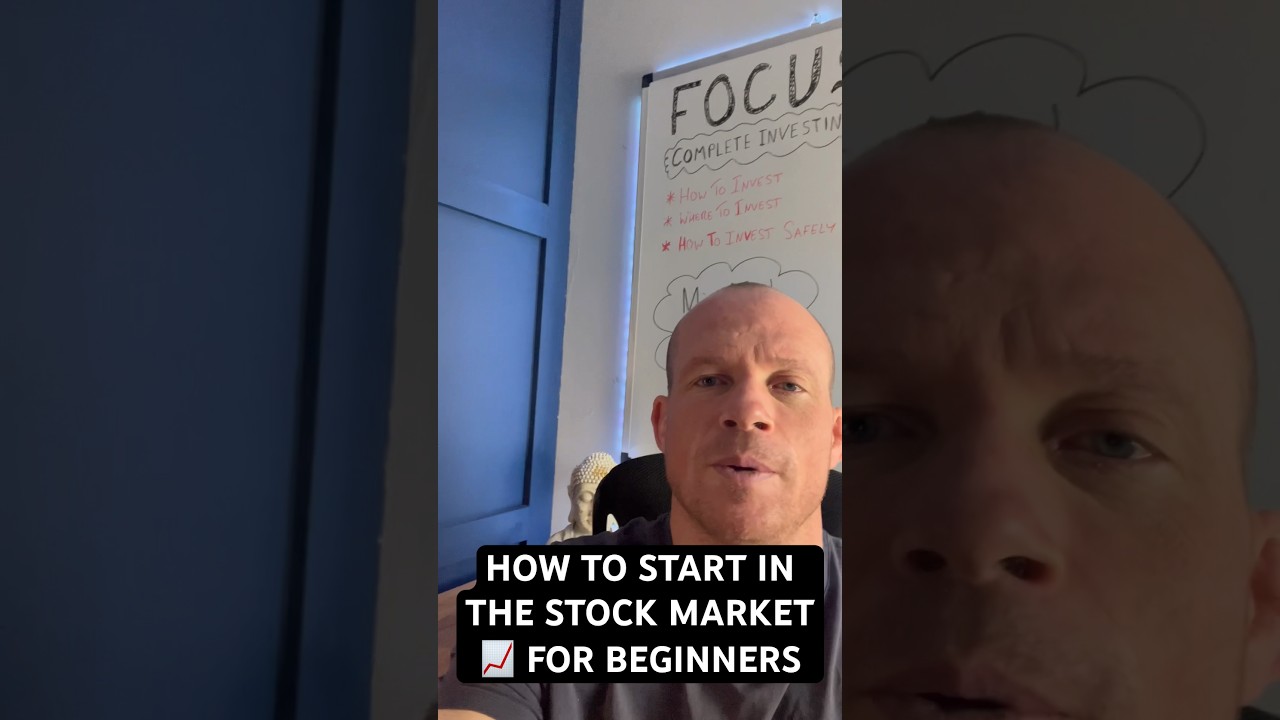

Diving into the Deep End (Gently): A Beginner’s Guide to Investing in Stocks 📈
So, you’re ready to take the plunge into the world of stocks? Congratulations! Investing in the stock market can be a powerful way to grow your wealth over the long term. But it can also feel overwhelming, especially when you’re just starting out. This guide is designed to help beginners navigate the basics and start building a solid investment foundation.
Why Invest in Stocks?
Before we dive into the “how,” let’s briefly touch on the “why.” Stocks, also known as equities, represent ownership in a company. When you buy stock, you’re essentially becoming a part-owner. This comes with the potential for two main types of return:
- Capital Appreciation: The value of your stock increases over time as the company grows and becomes more profitable.
- Dividends: Some companies distribute a portion of their profits to shareholders as dividends.
Historically, stocks have outperformed other asset classes like bonds and cash over the long term. However, it’s crucial to understand that stocks also come with risk. Market fluctuations can cause your investments to lose value, particularly in the short term.
Getting Started: Key Concepts
Before you start buying stocks, familiarize yourself with these essential concepts:
- Brokerage Account: You’ll need to open a brokerage account with a financial institution to buy and sell stocks. Popular options include online brokers like Fidelity, Charles Schwab, and, yes, even Vanguard!
- Market Order: An instruction to buy or sell a stock immediately at the best available price.
- Limit Order: An instruction to buy or sell a stock at a specific price or better.
- Diversification: Spreading your investments across different companies, industries, and asset classes to reduce risk. Don’t put all your eggs in one basket!
- Index Funds & ETFs: These are baskets of stocks that track a specific market index, like the S&P 500. They offer instant diversification and are often low-cost, making them ideal for beginners.
- Expense Ratio: The annual fee charged by a fund to cover its operating expenses. Lower expense ratios mean more money stays in your pocket.
Vanguard: A Solid Choice for Beginners
When choosing a brokerage, Vanguard is often recommended for beginners due to several reasons:
- Low Costs: Vanguard is known for its low expense ratios on its index funds and ETFs. This can significantly impact your returns over the long term.
- Wide Range of Investment Options: Vanguard offers a diverse selection of funds, including those that track the entire stock market, specific sectors, or even international markets.
- Investor-Owned Structure: Vanguard is owned by its funds, which means it’s focused on serving the best interests of its investors.
- Easy-to-Use Platform: Vanguard’s website and mobile app are generally considered user-friendly, making it easy to manage your investments.
Building Your Investment Strategy
Now, let’s talk strategy. Here’s a simplified approach for beginners:
- Determine Your Risk Tolerance: Are you comfortable with market volatility, or do you prefer a more conservative approach? Your risk tolerance will influence your asset allocation.
- Set Your Investment Goals: What are you saving for? Retirement? A down payment on a house? Knowing your goals will help you determine how much to invest and for how long.
- Consider Index Funds or ETFs: For beginners, investing in broad market index funds or ETFs is a great way to start. Some popular options include:
- Vanguard Total Stock Market ETF (VTI): Tracks the performance of the entire U.S. stock market.
- Vanguard S&P 500 ETF (VOO): Tracks the performance of the S&P 500 index, which represents the 500 largest U.S. companies.
- Vanguard Total International Stock ETF (VXUS): Tracks the performance of international stocks.
- Invest Regularly: Consistency is key! Consider setting up automatic investments on a regular basis, such as monthly or bi-weekly. This is known as dollar-cost averaging, which helps to smooth out the impact of market fluctuations.
- Rebalance Periodically: Over time, your asset allocation may drift from your target. Rebalancing involves selling some investments and buying others to bring your portfolio back in line with your desired allocation.
- Stay Informed, But Don’t Overreact: Keep up with market news, but don’t let short-term fluctuations dictate your investment decisions. Remember, investing is a long-term game.
Important Considerations:
- Do Your Research: Before investing in any stock or fund, take the time to research the company or the fund’s holdings and performance.
- Start Small: You don’t need to invest a lot of money to get started. Begin with a small amount and gradually increase your contributions as you become more comfortable.
- Seek Professional Advice: If you’re unsure about any aspect of investing, consider consulting with a qualified financial advisor.
- Avoid “Get Rich Quick” Schemes: If it sounds too good to be true, it probably is.
Conclusion
Investing in stocks can be a rewarding experience, but it’s essential to approach it with a solid understanding of the fundamentals. By starting small, diversifying your investments, and staying disciplined, you can build a portfolio that helps you achieve your financial goals. Remember to do your research, stay informed, and don’t be afraid to ask for help along the way. Happy investing! #investing #vanguard #stockmarket
LEARN MORE ABOUT: IRA Accounts
INVESTING IN A GOLD IRA: Gold IRA Account
INVESTING IN A SILVER IRA: Silver IRA Account
REVEALED: Best Gold Backed IRA




0 Comments