
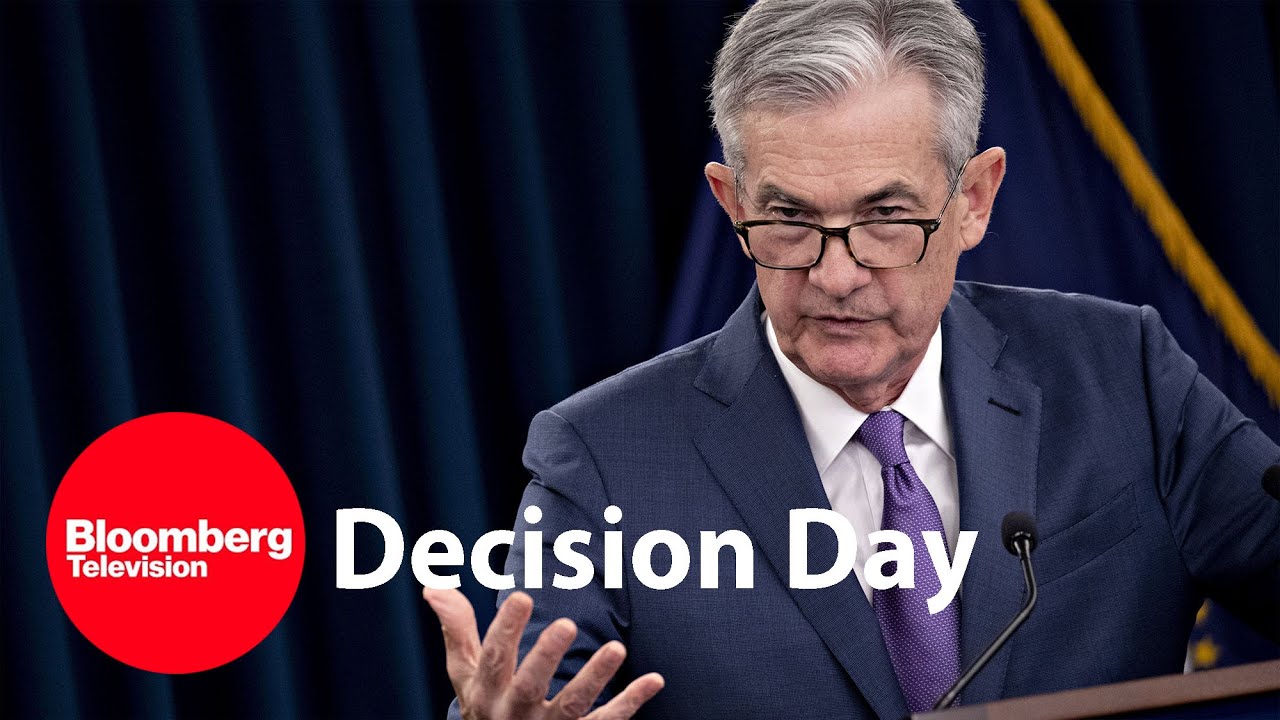

LIVE: Federal Reserve Raises Rates by 25 Basis Points
In a highly anticipated decision, the Federal Reserve has announced a 25 basis point increase in its benchmark interest rate. This move reflects the central bank’s ongoing efforts to combat inflation and navigate the complexities of post-pandemic economic recovery. The announcement was made during a closely watched meeting of the Federal Open Market Committee (FOMC), which gathered to assess the current economic landscape and the implications for monetary policy.
Why Did the Fed Decide to Raise Rates?
The decision to raise interest rates by 25 basis points comes amid a backdrop of robust economic indicators but persistent inflationary pressures. According to recent reports, consumer prices have remained elevated, prompting concerns that inflation could be more entrenched than previously expected. By increasing interest rates, the Federal Reserve aims to temper demand, cool down price increases, and help stabilize the economy.
Economic Context
In recent months, the U.S. economy has shown resilience, with solid job growth and consumer spending, which have contributed to a reduction in unemployment rates. However, inflation has proven to be a stubborn foe, remaining above the Fed’s target of 2%. The Consumer Price Index (CPI) remains a critical measure, indicating that prices in several sectors, including housing, energy, and food, continue to rise. The Fed’s decision to raise rates is seen as a necessary step to prevent the economy from overheating.
What This Means for Consumers and Businesses
For consumers, a rate hike typically leads to higher borrowing costs. This means that individuals taking out loans for homes, cars, or education may see their interest rates rise. As a result, monthly repayments could increase, impacting household budgets. Additionally, credit card interest rates are likely to follow suit, making it more expensive to carry a balance.
Businesses will also feel the impact of higher rates. Financing costs for expansion, investment, and operational expenditures may rise, leading some firms to reconsider their capital expenditure plans. This tightening of financial conditions could, in turn, influence hiring and wage growth, as companies adapt to a more expensive borrowing environment.
The Fed’s Forward Guidance
During the press conference that followed the announcement, Fed Chair Jerome Powell indicated that while the decision to raise rates was driven by the current economic conditions, the central bank remains data-dependent. He emphasized that future rate hikes will continue to be carefully considered, with the Fed closely monitoring inflation trends, labor market statistics, and global economic developments.
Powell reiterated the Fed’s commitment to its dual mandate of fostering maximum employment while ensuring price stability. Analysts anticipate that the Fed may still have room for further rate increases if inflation persists or if economic growth remains strong.
Market Reactions
Financial markets reacted immediately to the announcement. Stock indices experienced volatility as investors gauged the implications of rising interest rates on corporate earnings and economic growth. Bond markets also reflected the sentiment, with yields on government securities fluctuating in response to the Fed’s decision.
Conclusion
The Federal Reserve’s decision to raise interest rates by 25 basis points marks a significant moment in the ongoing effort to curb inflation and ensure sustained economic growth. As the Fed navigates these challenging waters, consumers and businesses alike will need to adapt to changing borrowing costs and their potential implications. The coming months will be crucial as the Fed assesses the effectiveness of its policies and the broader economic impact of its decisions.
Stay tuned for more updates as we continue to monitor the economic landscape and the actions of the Federal Reserve.
LEARN ABOUT: Investing During Inflation
REVEALED: Best Investment During Inflation
HOW TO INVEST IN GOLD: Gold IRA Investing
HOW TO INVEST IN SILVER: Silver IRA Investing




The Fed is already bankrupt. Its unique assets and operations will be transferred to the Treasury's administrative structure by September 30.
usdt trc20. TKYpXXCA9sMDLEEz1mBJKE5HQb5tD3DSJ4
Bitcoin
Being held hostage by fear will distort the math…nothing has changed look around stopping progress bailing water
I really enjoy your channel!! Continue your excellent work!! Bitcoin did not fall further but instead recorded a new higher high as the market remained robust. The tiny rejection region is around $28.1k, and a breakout will open the doors to $55k and higher.
Only 3 minutes in & this guy sounds like he's.spewing marketing bullshit
Millstein pay your taxes ..Canadian beacon