

[ad_2]
Teachers’ Retirement Board: February 2013 Compensation Committee Meeting (Part 1 of 2)
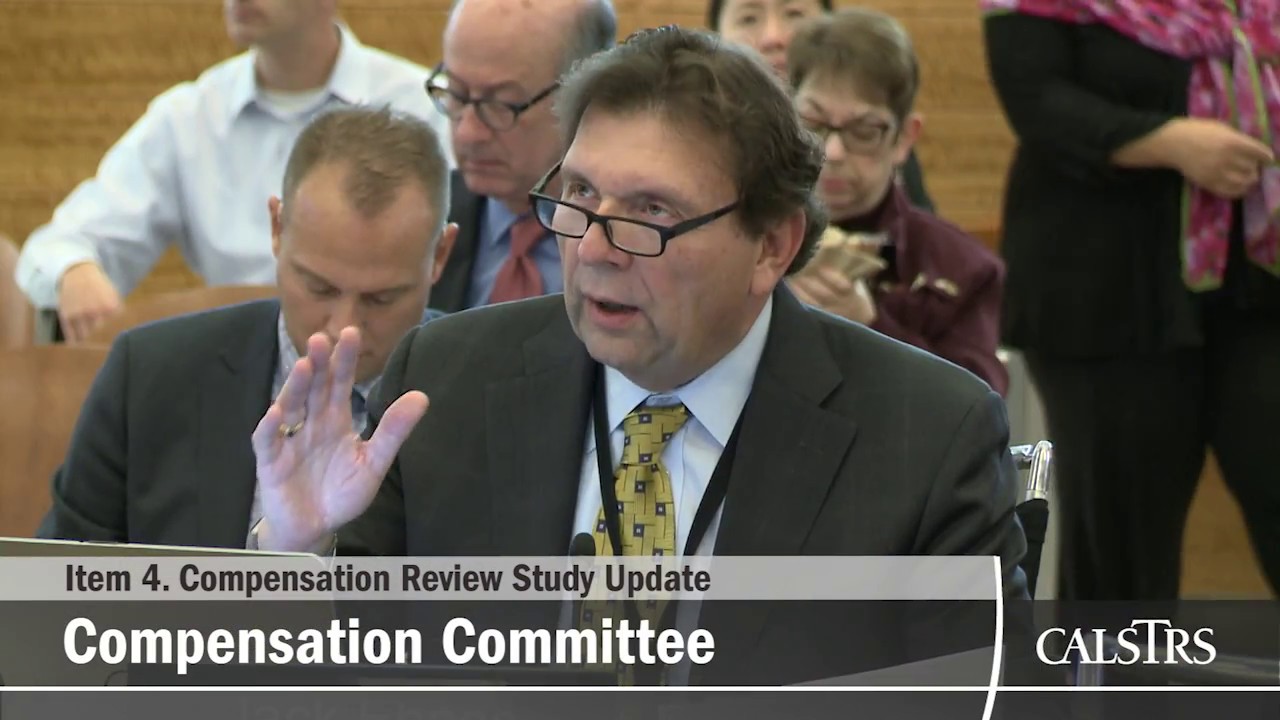
In February 2013, the Teachers’ Retirement Board (TRB) convened a crucial Compensation Committee meeting that addressed key issues regarding the compensation and benefits of public school educators and administrators within the retirement system. This article details the discussions and decisions made during this meeting, emphasizing the implications for stakeholders within the education sector.
Background of the Compensation Committee
The Compensation Committee of the Teachers’ Retirement Board plays a vital role in ensuring that the compensation structure for educators is equitable and sustainable. The committee analyzes compensation trends, reviews benefits, and proposes adjustments to ensure that teachers are adequately rewarded for their contributions to the educational system. This is particularly important as attracting and retaining qualified educators are integral to maintaining high standards in education.
Key Agenda Items
During the February 2013 meeting, several critical topics were on the agenda. Key among these were:
-
Review of Current Compensation Trends: The committee engaged in a comprehensive review of current compensation trends for educators across various districts. This discussion included analysis of salary schedules, step increases, and merit pay systems, all while considering the impact of budget restrictions on school districts.
-
Actuarial Assumptions and Their Impact on Benefits: Actuarial assumptions determine the financial stability of the retirement system, affecting both current and future benefits. The committee examined the assumptions used by actuaries to forecast system liabilities, ensuring that their calculations reflected realistic expectations regarding teacher turnover, life expectancy, and investment returns.
-
Benchmarking Against Other States: Committee members discussed the importance of benchmarking compensation levels against those in other states. This comparison helps ensure that educators’ pay remains competitive, which is essential for recruitment and retention efforts. It was emphasized that a favorable compensation structure is critical in minimizing teacher shortages, particularly in high-demand subject areas.
-
Equity in Compensation: An important discourse centered around the equity of compensation systems. The committee explored measures to address disparities in pay based on geographic location, teaching assignments, and experience. The goal was to identify best practices and recommend changes that could promote fairness across the board.
- Future Projections and Sustainability: Looking ahead, the committee expressed concerns about the sustainability of current compensation levels amid changing economic conditions and state budgets. They discussed potential scenarios that could impact the retirement system and emphasized the need for a proactive approach to create a compensation framework that can withstand future financial challenges.
Stakeholder Engagement
In the meeting, stakeholder engagement was highlighted as a priority. The committee underscored the importance of collaboration between teachers, administrators, and policymakers to create a comprehensive compensation strategy that acknowledges the diverse needs of the workforce.
To facilitate this engagement, the TRB planned to host additional forums for teachers to express their opinions and experiences regarding compensation and benefits. Such forums would be integral in shaping informed policies and ensuring that the voices of educators are heard in the decision-making process.
Conclusion
The February 2013 Compensation Committee meeting was an essential step in addressing the complexities surrounding teacher compensation and retirement benefits. Through detailed discussions and analyses, the committee aimed to foster a sustainable and equitable compensation system for educators. Stay tuned for Part 2 of this article, where we will delve into specific recommendations proposed during the meeting and the anticipated impacts on the education system.
LEARN MORE ABOUT: Retirement Planning
REVEALED: Best Investment During Inflation
HOW TO INVEST IN GOLD: Gold IRA Investing
HOW TO INVEST IN SILVER: Silver IRA Investing


0 Comments