
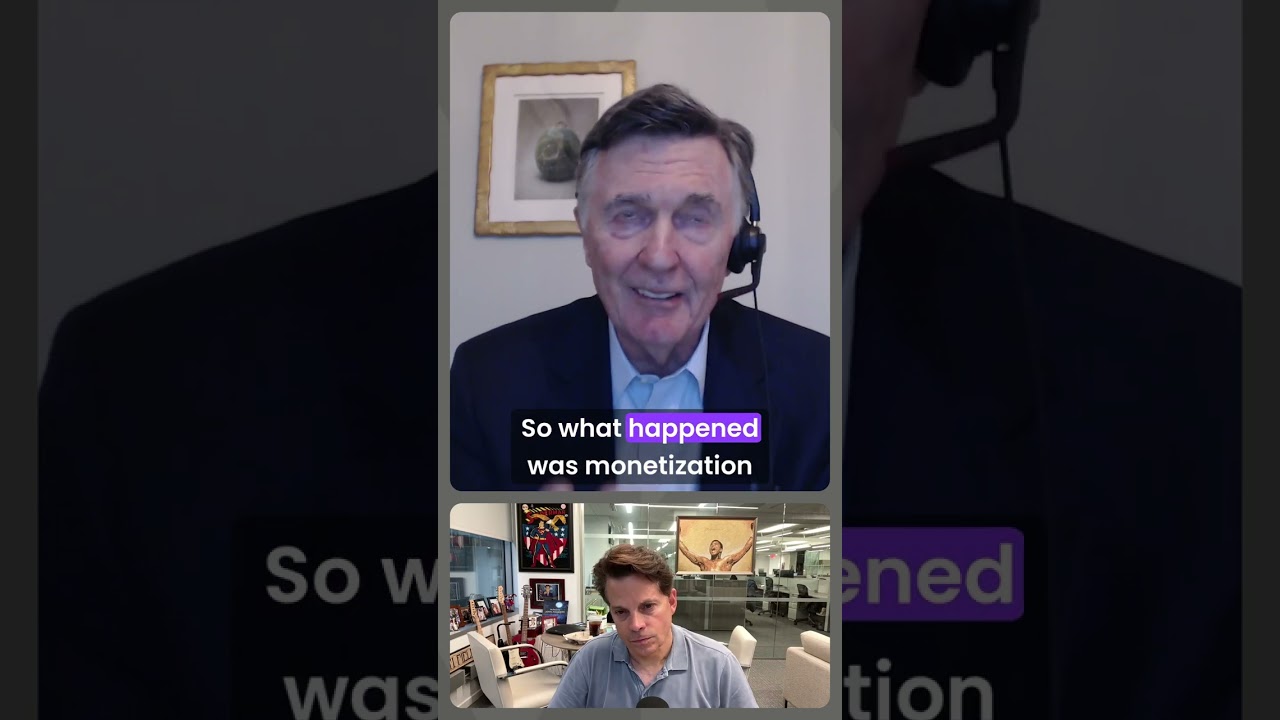

Understanding Quantitative Tightening and Easing: Insights from Dennis Lockhart
Dennis Lockhart, former president of the Federal Reserve Bank of Atlanta, has been an influential figure in the discussion surrounding monetary policy, particularly in the realms of quantitative easing (QE) and quantitative tightening (QT). This article aims to shed light on these complex concepts, their implications for the economy, and how Lockhart’s insights have shaped our understanding of these critical policies.
What is Quantitative Easing (QE)?
Quantitative Easing refers to a monetary policy used by central banks to stimulate the economy during periods of low inflation and economic stagnation. Typically implemented after traditional monetary policy tools, such as lowering interest rates, have been exhausted, QE involves the large-scale purchase of government securities and other financial assets. This influx of capital aims to lower interest rates, encourage borrowing, and boost investment and consumption.
Lockhart, during his tenure, eloquently explained that QE helps to create a wealth effect—where asset prices rise, boosting the net worth of individuals and encouraging spending. He maintained that, while QE can support economic recovery, it also poses risks, such as asset bubbles and income inequality.
What is Quantitative Tightening (QT)?
Conversely, Quantitative Tightening is the process through which central banks reduce the amount of money supply in the economy, primarily by stopping or decreasing the reinvestment of proceeds from maturing securities. Essentially, QT is designed to normalize monetary policy after the expansive measures of QE.
Lockhart emphasized that QT could be as crucial as QE, particularly in controlling inflation and maintaining economic stability. As the Federal Reserve unwinds its balance sheet, it aims to mitigate potential overheating in the economy—a critical balance in times of rising inflation.
The Balancing Act
Lockhart’s insights reveal the intricate balancing act central banks must perform. He noted that both QE and QT are tools that can influence inflation, employment, and overall economic growth. However, their effects are not always linear or predictable. For instance, while QT can prevent inflation by controlling the money supply, it also risks dampening economic growth and investment if implemented too aggressively.
One of Lockhart’s key contributions was his focus on forward guidance—communicating intentions regarding future policy changes. By signaling the central bank’s roadmap concerning interest rate adjustments and the unwinding of QE, policymakers can reduce uncertainty in the market and influence economic behavior.
Implications for Interest Rates
Lockhart argued that both QE and QT have profound implications for interest rates. While QE tends to keep interest rates low by increasing demand for bonds, QT can reverse this effect by decreasing liquidity in the financial system. Proper management of these policies is crucial to avoid destabilizing financial markets.
As central banks shift towards QT, market participants must adapt to potentially rising interest rates and the changing landscape of asset prices. Lockhart cautioned that an abrupt transition to QT could create volatility, highlighting the need for gradual adjustments and careful monitoring of economic indicators.
Conclusion
Dennis Lockhart’s contributions to the dialogue surrounding quantitative easing and tightening underscore the complexities of modern monetary policy. His emphasis on the need for clear communication and gradual implementation speaks to the challenges policymakers face in steering the economy. As we continue to navigate the post-pandemic economic landscape, understanding these concepts remains crucial for investors, policymakers, and economists alike.
In sum, the Federal Reserve’s approach to QE and QT not only shapes economic conditions but also influences the broader economic narrative. As we assess Lockhart’s insights, it becomes evident that the path to economic stability is fraught with challenges, requiring a delicate equilibrium between expansion and contraction in monetary policy.
LEARN ABOUT: Investing During Inflation
REVEALED: Best Investment During Inflation
HOW TO INVEST IN GOLD: Gold IRA Investing
HOW TO INVEST IN SILVER: Silver IRA Investing




0 Comments