
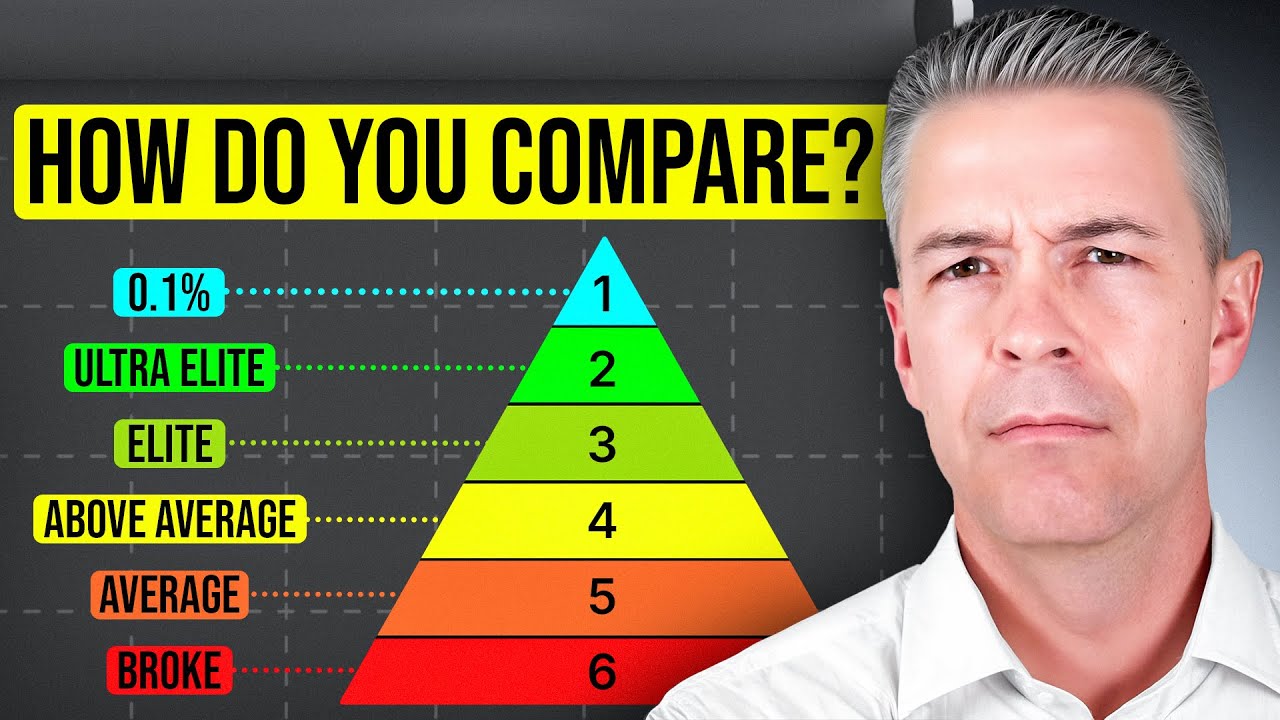

6 Levels of Retirement Spending: Which One Are You?
Retirement. The golden years. A time for relaxation, travel, and pursuing passions. But behind the idyllic vision lies a crucial question: how much will you spend? Retirement spending isn’t a one-size-fits-all scenario. In fact, it varies significantly based on lifestyle, priorities, and financial resources. Understanding different levels of retirement spending can help you plan effectively and ensure a comfortable and fulfilling future.
Here are six distinct levels of retirement spending, along with their characteristics and considerations:
Level 1: The Frugal Minimalist
- Spending Focus: Basic necessities. Living simply and frugally to stretch limited resources.
- Characteristics: Significant budget consciousness, minimal discretionary spending, reliance on public programs and benefits, limited travel or entertainment.
- Financial Resources: Typically low savings and investments, reliance on Social Security or pension income.
- Considerations: Requires careful budgeting, prioritizing essential needs, and potentially downsizing living arrangements. While this level can be challenging, it prioritizes stability and affordability.
Level 2: The Thrifty Saver
- Spending Focus: Essential needs plus some controlled enjoyment. Balancing affordability with a few well-chosen treats.
- Characteristics: Still mindful of budgeting, but able to enjoy occasional meals out, hobbies, and local activities.
- Financial Resources: Moderate savings and investments, supplemented by Social Security or pension income.
- Considerations: Requires continued budget awareness, choosing experiences carefully, and avoiding unnecessary debt. This level offers a bit more flexibility and enjoyment than the minimalist approach.
Level 3: The Comfortable Mid-Range Spender
- Spending Focus: A good balance of essential needs, recreation, and moderate discretionary spending.
- Characteristics: Able to enjoy comfortable living, regular travel, hobbies, and entertainment without constantly worrying about the budget.
- Financial Resources: Solid savings and investments, generating a reliable income stream.
- Considerations: Maintaining a realistic budget, managing healthcare costs, and potentially considering long-term care insurance. This level represents a desirable and sustainable lifestyle for many retirees.
Level 4: The Active Explorer
- Spending Focus: Prioritizing experiences, travel, and pursuing passions.
- Characteristics: Frequent travel, engaging in multiple hobbies, supporting charitable causes, and enjoying a vibrant social life.
- Financial Resources: Significant savings and investments, generating a comfortable income stream that supports an active lifestyle.
- Considerations: Planning for unexpected expenses, managing tax implications of investment income, and ensuring investments align with long-term goals. This level allows for a truly enriching and adventurous retirement.
Level 5: The Indulgent Luxury Spender
- Spending Focus: High-end travel, luxury goods, and indulging in a lifestyle of comfort and convenience.
- Characteristics: Owning multiple properties, enjoying gourmet dining, hiring personal services, and pursuing exclusive experiences.
- Financial Resources: Substantial wealth, generating a significant income stream from investments and other sources.
- Considerations: Managing wealth responsibly, minimizing tax liabilities, and considering estate planning strategies. This level offers the ultimate freedom and flexibility in retirement.
Level 6: The Philanthropic Giver
- Spending Focus: Less on personal indulgence and more on giving back to the community and supporting charitable causes.
- Characteristics: Significant charitable donations, volunteering time and resources, and making a positive impact on the world.
- Financial Resources: Substantial wealth, but a conscious decision to prioritize giving over personal consumption.
- Considerations: Structuring charitable giving for maximum impact, managing tax implications of donations, and ensuring a sustainable philanthropic strategy. This level focuses on leaving a lasting legacy and making a difference in the lives of others.
Which Level Are You?
Understanding these levels allows you to assess your current financial situation and determine which level best aligns with your desired retirement lifestyle. Consider these factors:
- Current Savings and Investments: How much have you accumulated?
- Expected Income Streams: How much will you receive from Social Security, pensions, or other sources?
- Healthcare Costs: Factor in rising healthcare expenses and potential long-term care needs.
- Lifestyle Preferences: What activities and experiences are most important to you?
- Legacy Goals: Do you want to leave a significant inheritance or contribute to charitable causes?
Planning for Your Ideal Retirement
Once you identify your desired level of retirement spending, you can develop a comprehensive financial plan to help you achieve your goals. This plan should include:
- Savings and Investment Strategies: Maximize your savings contributions and diversify your investment portfolio.
- Debt Management: Reduce or eliminate debt to free up more resources for retirement.
- Budgeting and Expense Tracking: Track your spending and identify areas where you can save money.
- Financial Advisor Consultation: Seek professional guidance to develop a personalized retirement plan.
Retirement is a journey, not a destination. Understanding the different levels of retirement spending and planning accordingly will help you navigate this journey with confidence and create a fulfilling and financially secure future. So, take the time to reflect on your priorities, assess your resources, and plan for the retirement you deserve.
LEARN MORE ABOUT: Retirement Pension Plans
REVEALED: Best Investment During Inflation
HOW TO INVEST IN GOLD: Gold IRA Investing
HOW TO INVEST IN SILVER: Silver IRA Investing




This video way overestimates the power of the 200K-300K spending power. You are not flying First Class, and you aren't going to own homes internationally or even have a second "lake" home. I'm not saying you're going to be broke, but you're not "rich" like the people you see on the Internet. The only yacht you're going to have is a rubber dingey 🙂 Maid service twice a month maybe, but no butler. Even the 500K people don't have this stuff. You're going to have to get into the 1M/year to start considering some of this stuff, but even with that, most of the people in this rarified air don't spend money on first class unless they have to. Definitely not private jets and helo's.
Income can mean different things to different people. Are you talking total income? Taxable income? Household income?
Good content and food for thought. But the perimeters do matter .
Level 5 has too big of a range. There is a huge lifestyle difference between 200k and 500k spending.
We are lowish level 5.
by that scale i am spending in the lower part of #5 with my underspending but at this time with growth after 4 yrs of retirement i could be in the middle of that range conservatively. let me tell you that i have never been on a first class ticket, a private yatch and what is a personal guide. guide for what? a fishing guide is the only one that ever applied to me. global property? i don't own any other property apart from my home and we are a honda family. one of which is 20 yrs old. i am 97.5-98 percentile in household networth at the time the last CFS survey was done in fall of 2022 and early 23.
one thing i have is financial security that is it. if i was spending as described for #5 using a 4% even a 5% WR then i wouldn't be financially secure. i do have a large 529 plan (prob 500K when he graduates) left after my son finishes his undergrad degree that i don't count towards my retirement draw and yes it can fund several college costs especially since such future beneficiaries are not even born yet.
Didn't mention the income is family or per person.
$500K is not enough for a private jet, luxury yacht or full household staff in a rich country. Also, even if I'm into the 1% and know people who are into the 0.1% I don't know of anyone who flies international first class all the time. Its just not worth it, unless you have a special need. And most rich people did not get rich by paying more than needed. When flying private jets, helicopters and on first class the "99%" of passengers are on company paid trips or flying on government planes. Also, some people fly 1.st class using points (good way to spend points). [Note: In the USA 1.st class is often just like Business Class intl.]
I am probably a real outlier in your statistics. Having spent all my previous life at level 1, I've recently retired and gone up through levels 1-5 at a level per year . Single and don't go in for the high end expenses and have no local family, travel or vacations. High yield weekly / 4-weekly dividends pour in and the financial burden is keeping track of it for quarterly taxes and IRS deduction income limits. Building a local AI to hopefully do it for me. : ) I withdraw what I need for expenses and occasional "luxuries" but the balance is still growing slightly exponentially. (Yeah, I need a life.)
5 years away from retirement, between two SSA checks, modest 401K and pension we will be in Level 4. Home paid off. Never really thought of that as an affluent retirement. Perhaps I need to reconsider.
Instead of grouping by income, it should be spending or expenses per year. You can have lots of income from investments and not spend it…. Also, it’s not just income, but after tax income.
Sorry to say but Cody forgot about those who live in HCOL or VHCOL areas. 200k + SS in HCOL areas is not much…