
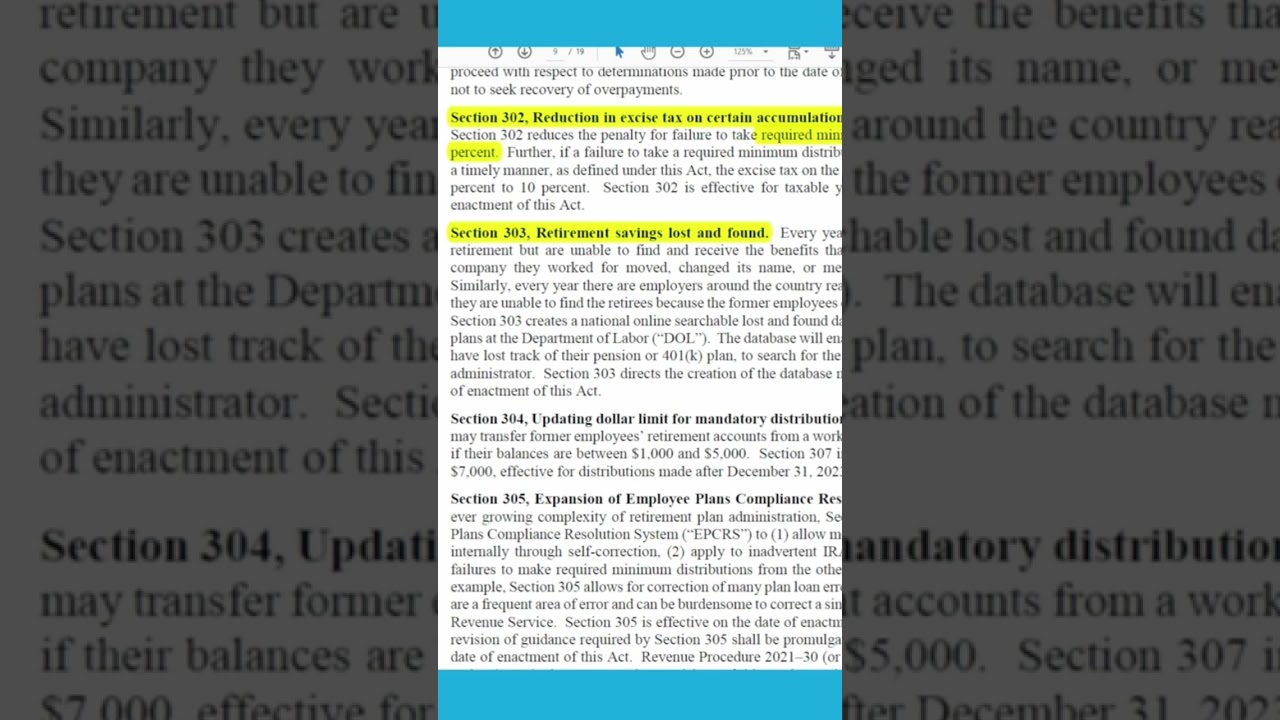

How to Find Your Old 401(k): A Guide to Tracking Down Retirement Funds Post-Secure Act 2.0
If you’ve changed jobs, taken breaks in your career, or simply overlooked your retirement savings, you might find yourself asking, "How can I find my old 401(k)?" The journey of tracking down retirement funds can feel daunting, but recent legislative changes—including the Secure Act 2.0—have made it easier to manage and locate your retirement accounts. This article will guide you through the process of finding your old 401(k) and understanding the implications of the Secure Act 2.0 on your retirement savings.
Understanding the Secure Act 2.0
Enacted in late 2022, the Secure Act 2.0 builds on the original Secure Act from 2019 by introducing several provisions aimed at enhancing retirement savings and making it more accessible for individuals equipped with various financial backgrounds. Some key features include:
-
Automatic Enrollment: Employers are now required to automatically enroll employees in retirement plans, ensuring that more individuals are contributing at an early age.
-
Increased Catch-Up Contributions: The act allows for higher contribution limits for older workers, making it easier for those nearing retirement to save more.
-
Enhanced Coverage for Part-Time Workers: Part-time employees now have better access to retirement plans.
- New Rules for 401(k) Portability: The Secure Act 2.0 promotes easier transfer of retirement funds, which can aid individuals in identifying and consolidating old accounts.
These changes play a vital role in helping you locate and manage your retirement accounts.
Steps to Locate Your Old 401(k)
-
Gather Information: Start by compiling any information you have about your past employers and retirement plans. This includes:
- Names of previous employers
- Approximate dates of employment
- Contact information for HR departments
-
Contact Former Employers: Reach out to the human resources department or the benefits administrator of your former employers. They will have the information needed to help you locate your old 401(k) accounts.
-
Use the National Registry of Unclaimed Retirement Benefits: This online tool helps individuals locate retirement accounts through a database of unclaimed retirement benefits. You can search using your Social Security number for any matches.
-
Check the Department of Labor’s Website: The Employee Benefits Security Administration (EBSA) has a section dedicated to finding lost plans. They offer guidance and resources to help locate your 401(k).
-
Review Old Statements: If you have any old bank statements or financial documents, they may contain account numbers or other information that can lead you to your old 401(k) account.
-
Consider a Financial Advisor: A financial advisor can be instrumental in tracking down old accounts and consolidating them for optimal management. They can also provide advice on how to best structure your retirement portfolio.
- Utilize Online Tools: Many financial institutions offer tools that can help you track down old retirement accounts. Check to see if any accounts were previously set up with major financial institutions, as they may offer services to assist in the search.
Explore Your Options for Consolidation
Once you’ve tracked down your old 401(k) accounts, consider your options for managing them. The Secure Act 2.0 provides resources to help individuals consolidate various retirement accounts, which can streamline your savings efforts. Here are your primary paths:
-
Rollover to a New Employer’s Plan: If you currently have a job that offers a 401(k) plan, you can often roll over your old 401(k) into your new employer’s plan.
-
Open an Individual retirement account (IRA): You can also move your old 401(k) into an IRA. This often provides more investment options and fewer fees.
- Leave it Be: In some cases, you can leave your funds in the old plan, though this may lead to challenges in management and account oversight.
Conclusion
Finding your old 401(k) doesn’t need to be an overwhelming process, especially with the additions brought about by the Secure Act 2.0. By following these steps and utilizing available resources, you can track down your retirement savings and ensure you’re well on your way to building a solid financial future. Don’t forget that time is on your side—making the effort to locate and manage your retirement savings today can pay significant dividends in the long run.
LEARN MORE ABOUT: IRA Accounts
CONVERTING IRA TO GOLD: Gold IRA Account
CONVERTING IRA TO SILVER: Silver IRA Account
REVEALED: Best Gold Backed IRA




0 Comments