
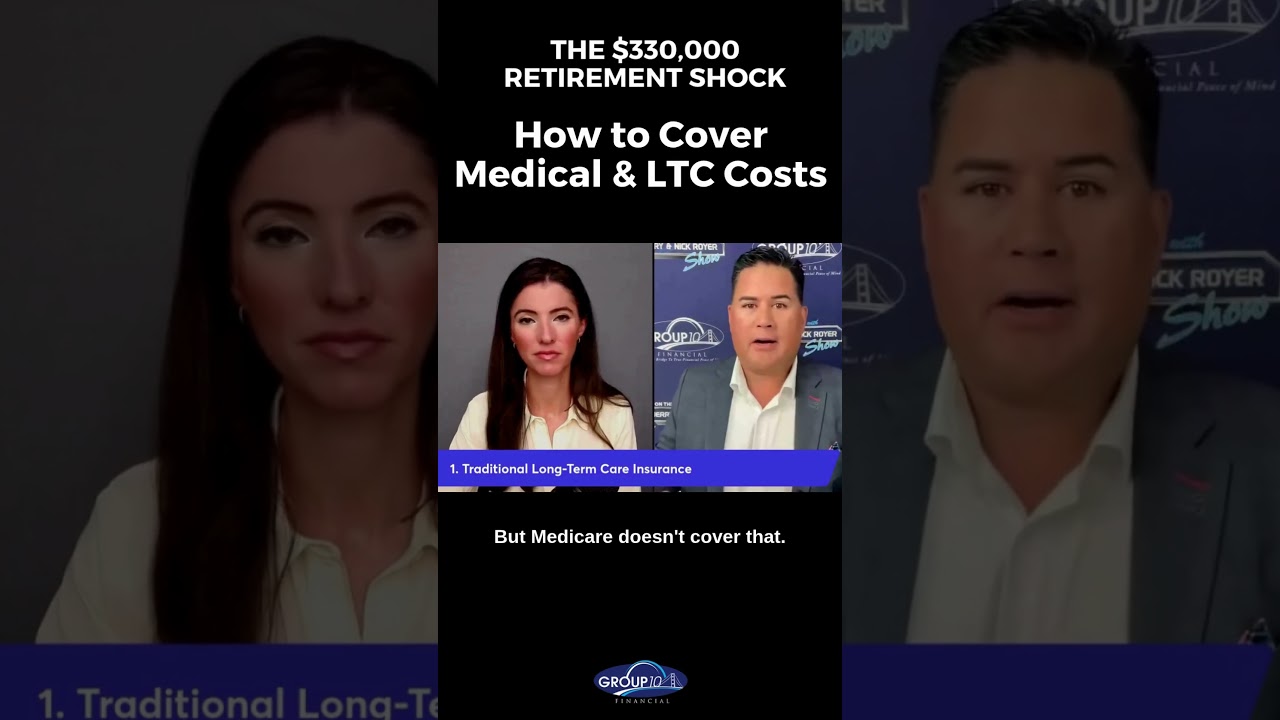

The $330,000 Retirement Shock: How to Cover Medical & LTC Costs
Retirement is often envisioned as a time of relaxation, travel, and pursuing long-held passions. But lurking behind that idyllic picture is a harsh reality: the soaring costs of healthcare and long-term care (LTC). A recent Fidelity Investments study revealed that the average retired couple can expect to spend a staggering $330,000 on healthcare alone during retirement. This “retirement shock” can derail even the most meticulously planned financial futures if not properly addressed.
So, how can you prepare for this significant expense and safeguard your retirement nest egg? Let’s break down the costs and explore strategies to navigate them.
Understanding the Healthcare & LTC Landscape
- Medicare Isn’t Enough: While Medicare is a vital safety net for seniors, it doesn’t cover everything. Expect to pay premiums, deductibles, copays, and coinsurance. Furthermore, Medicare generally doesn’t cover long-term care expenses like assisted living or in-home care.
- The Rising Cost of LTC: Long-term care costs are continuously climbing. The average annual cost for a semi-private room in a nursing home is now over $90,000, and in-home care can easily exceed $50,000 per year. These costs can quickly deplete savings if not planned for.
- Unexpected Illnesses and Injuries: As we age, the likelihood of needing medical treatment increases. Unexpected illnesses or injuries can lead to significant medical bills, even with health insurance coverage.
Strategies to Navigate the $330,000 Shock
-
Embrace Preventative Care: This is the most proactive approach. Regular check-ups, screenings, and a healthy lifestyle can help prevent or delay the onset of costly medical conditions. Focus on:
- Healthy Diet: Nourishing your body with nutritious foods can boost your immune system and reduce the risk of chronic diseases.
- Regular Exercise: Physical activity can improve cardiovascular health, strengthen bones, and maintain cognitive function.
- Stress Management: Chronic stress can negatively impact your health. Explore relaxation techniques like meditation or yoga.
-
Maximize Your Medicare Options:
- Consider a Medicare Advantage Plan: These plans offer broader coverage and may include benefits like dental, vision, and hearing, often with lower out-of-pocket costs than traditional Medicare. However, be sure to compare plans carefully, as they often have network restrictions.
- Explore Medigap (Medicare Supplemental Insurance): Medigap plans help cover the gaps in traditional Medicare, such as deductibles and copays. These plans offer more predictable out-of-pocket costs but generally have higher premiums.
- Review Your Coverage Annually: Healthcare needs change over time. Take the time to review your Medicare coverage each year during open enrollment to ensure it still meets your needs.
-
Consider Long-Term Care Insurance: LTC insurance helps cover the costs of assisted living, nursing home care, or in-home care. While premiums can be expensive, it can provide significant financial protection if you need long-term care services.
- Shop Around for the Best Rates: Premiums can vary significantly between providers. Get quotes from multiple insurers to find the best coverage at the most affordable price.
- Consider a Hybrid Policy: Some life insurance or annuity policies offer long-term care riders, providing a combination of benefits.
-
Explore Health Savings Accounts (HSAs): If you have a high-deductible health plan, consider contributing to an HSA. These accounts offer a triple tax advantage: contributions are tax-deductible, earnings grow tax-free, and withdrawals are tax-free when used for qualified medical expenses. Even if you’re no longer eligible to contribute, you can still use your existing HSA funds for healthcare expenses in retirement.
-
Factor Healthcare Costs into Your Retirement Budget: Don’t underestimate the impact of healthcare on your retirement budget. Use online calculators and consult with a financial advisor to estimate your potential healthcare expenses and adjust your savings and investment strategies accordingly.
-
Plan for Home Modifications: Consider making modifications to your home to make it more accessible and age-friendly. This could include installing grab bars in the bathroom, widening doorways, or adding a ramp. These modifications can help you stay in your home longer and potentially delay the need for long-term care.
-
Talk to Your Family: Have open and honest conversations with your family about your healthcare wishes and long-term care plans. This can help them understand your needs and make informed decisions if you become unable to do so yourself.
Conclusion
The $330,000 retirement shock is a real and significant concern. However, by understanding the costs involved and implementing proactive strategies, you can mitigate the financial impact and ensure a more secure and fulfilling retirement. Start planning now, and don’t let the fear of healthcare costs derail your dreams for the future. Remember, a little preparation can go a long way towards safeguarding your financial well-being and enjoying a comfortable and worry-free retirement.
LEARN MORE ABOUT: IRA Accounts
CONVERT IRA TO GOLD: Gold IRA Account
CONVERT IRA TO SILVER: Silver IRA Account
REVEALED: Best Gold Backed IRA




0 Comments