

2023 PCE Report: Fed’s Preferred Inflation Gauge Cools in February
In February 2023, the Personal Consumption Expenditures (PCE) Price Index, the Federal Reserve’s preferred measure of inflation, showed signs of cooling, offering a glimmer of hope for easing inflationary pressures. The report revealed a modest increase in consumer prices, well below expectations, which may influence future monetary policy decisions.
Key Highlights:
-
PCE Index Overview: The PCE index, which captures changes in the prices of goods and services consumed by individuals, rose by a mere 0.2% in February. This is a significant reduction compared to previous months, suggesting that inflation is beginning to stabilize.
-
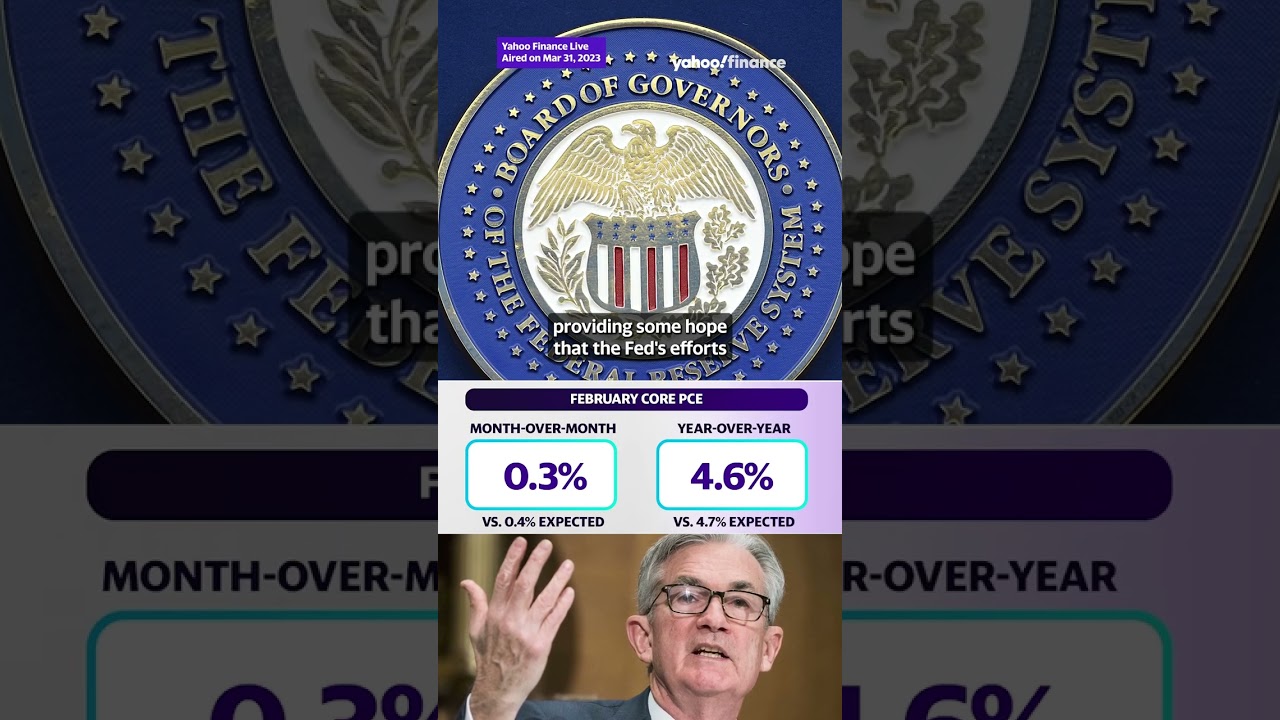
Core PCE Inflation: Excluding volatile food and energy prices, the core PCE price index increased by 0.3%. Year-over-year, core inflation stands at approximately 4.6%, a slight dip from earlier readings. This suggests that underlying inflation dynamics are also moderating.
-
Consumer Spending Behavior: The report indicated that consumer spending remained resilient, supporting economic growth even amid ongoing price pressures. The stability in spending implies consumer confidence, which is a crucial component for economic recovery.
-
Federal Reserve Implications: The cooling of inflation could give the Federal Reserve room to reassess its aggressive interest rate hikes. If inflation continues on this downward trajectory, the central bank might adopt a more cautious approach in its monetary policy.
- Market Reaction: Financial markets reacted positively to the report, with investors expressing optimism about the potential for a reduced rate of interest hikes. Stocks rallied, and bond yields fell, reflecting a more favorable economic outlook.
Conclusion: The February 2023 PCE report is a significant indicator that inflationary pressures may be easing. As the Federal Reserve continues to monitor these trends, the upcoming policy decisions will hinge on future inflation data. For consumers and investors alike, this could mean a more stable economic environment in the months to come.
LEARN ABOUT: Investing During Inflation
REVEALED: Best Investment During Inflation
HOW TO INVEST IN GOLD: Gold IRA Investing
HOW TO INVEST IN SILVER: Silver IRA Investing




Why did yahoo turn off comments in YouTube videos???