
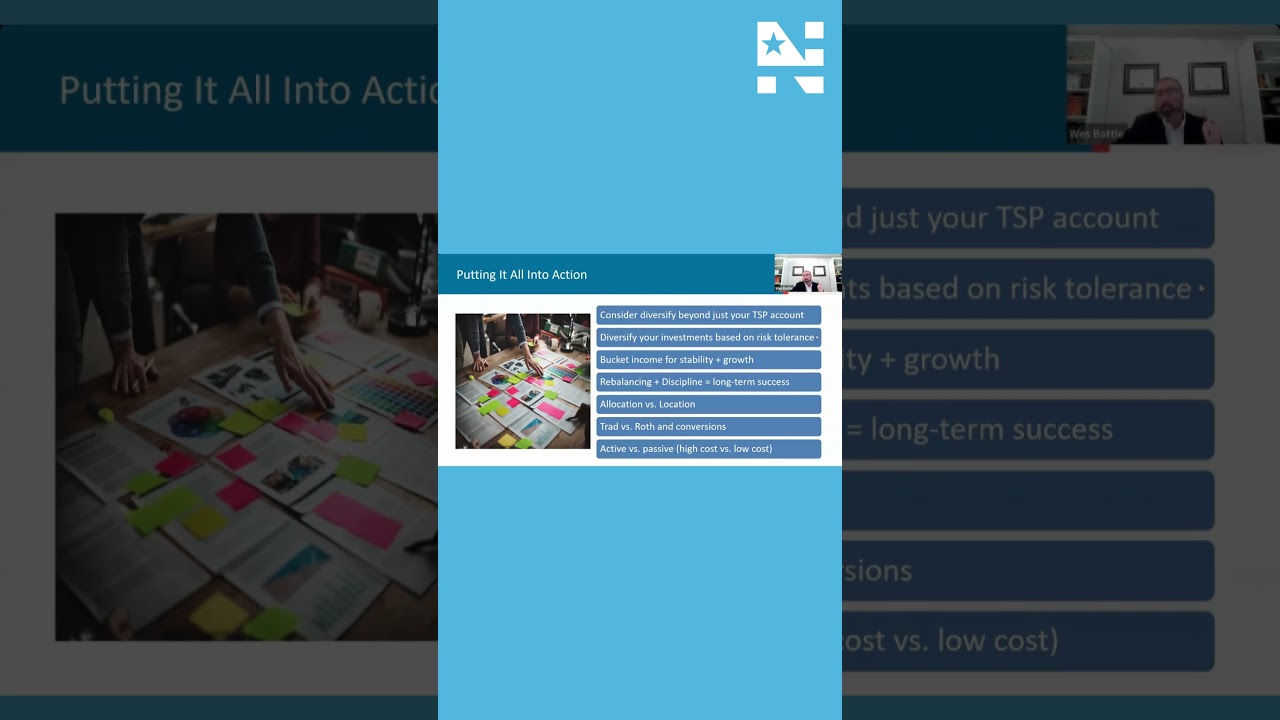

Navigating the Market: Investing Strategies and Education for Federal Employees
Federal employees dedicate their careers to serving the nation. Securing their financial future through smart investing is crucial for a comfortable retirement and a secure financial present. This article aims to provide a foundational understanding of investing strategies and educational resources tailored for federal employees.
Understanding Your Unique Position
Federal employees enjoy certain financial advantages:
- Thrift Savings Plan (TSP): A defined contribution plan offering a blend of index-based funds and professionally managed portfolios.
- Federal Employee Retirement System (FERS): A three-tiered system comprising a basic annuity, Social Security, and the TSP.
- Job Security: Generally more stable employment than the private sector.
These benefits provide a solid foundation, but they shouldn’t be the sole pillar of your financial security. Active participation in the TSP and strategic investing outside of it can significantly enhance your long-term financial well-being.
Key Investing Principles for Federal Employees:
- Start Early, Invest Regularly: The power of compounding is a cornerstone of successful investing. The earlier you start, the more time your investments have to grow. Even small, consistent contributions can make a significant difference over the long run.
- Diversification is Key: Don’t put all your eggs in one basket. Diversifying your portfolio across different asset classes, such as stocks, bonds, and real estate, helps mitigate risk and improve long-term returns.
- Understand Your Risk Tolerance: Are you comfortable with potential market fluctuations, or do you prefer a more conservative approach? Your risk tolerance should guide your investment choices.
- Consider Your Time Horizon: How far are you from retirement? A longer time horizon allows you to take on more risk and potentially achieve higher returns.
- Rebalance Regularly: Market fluctuations can shift your asset allocation. Rebalancing your portfolio periodically ensures it remains aligned with your risk tolerance and investment goals.
- Minimize Costs: Fees and expenses can erode your returns over time. Opt for low-cost index funds and ETFs whenever possible.
Diving into the TSP:
The TSP is a powerful tool for federal employees. Understanding its options is crucial:
- The Five Core Funds:
- G Fund (Government Securities Fund): Very low risk, invests in U.S. government securities.
- F Fund (Fixed Income Index Fund): Low to moderate risk, invests in bonds.
- C Fund (Common Stock Index Fund): Moderate to high risk, tracks the S&P 500.
- S Fund (Small Cap Stock Index Fund): Moderate to high risk, invests in small-cap stocks.
- I Fund (International Stock Index Fund): Moderate to high risk, invests in international stocks.
- Lifecycle Funds (L Funds): Automatically adjust your asset allocation based on your projected retirement date. These are a convenient option for hands-off investors.
- Contribution Limits: Stay informed about annual contribution limits to maximize your tax-advantaged savings.
- Roth vs. Traditional TSP: Understand the tax implications of each option and choose the one that best suits your financial situation. Roth contributions are made after-tax, with tax-free withdrawals in retirement. Traditional contributions are made pre-tax, with taxes due upon withdrawal.
Investing Beyond the TSP:
While the TSP offers excellent investment options, diversifying your portfolio outside of it can provide additional benefits:
- Taxable Brokerage Account: Offers flexibility and access to a wider range of investments, including individual stocks, ETFs, and mutual funds.
- Roth IRA: Another powerful tax-advantaged account that can supplement your retirement savings.
- Real Estate: Investing in rental properties can provide income and potential appreciation.
- 529 Plans: If you have children or grandchildren, consider investing in a 529 plan to save for their education.
Educational Resources for Federal Employees:
- TSP Website (TSP.gov): A comprehensive resource for information on the TSP, including fund performance, contribution limits, and investment planning tools.
- Financial Advisors: Consider consulting with a qualified financial advisor who can help you develop a personalized investment strategy. Look for advisors who are fee-only and have experience working with federal employees.
- Financial Planning Seminars: Many organizations offer financial planning seminars specifically for federal employees. Check with your agency or local financial institutions.
- Online Investing Courses: Platforms like Coursera, edX, and Udemy offer a wide range of online investing courses.
- Books and Articles: Numerous books and articles can provide valuable insights into investing strategies and financial planning.
Avoiding Common Mistakes:
- Chasing High Returns: Don’t get caught up in market hype and invest in risky assets with the hope of making a quick profit.
- Market Timing: Trying to predict market fluctuations is a fool’s errand. Focus on long-term investing and avoid making emotional decisions based on short-term market movements.
- Ignoring Fees: Pay attention to fees and expenses, as they can significantly impact your returns over time.
- Failing to Rebalance: Neglecting to rebalance your portfolio can lead to a risk profile that is no longer aligned with your investment goals.
- Procrastination: Don’t put off investing until later. The sooner you start, the more time your investments have to grow.
Conclusion:
Investing is a marathon, not a sprint. By understanding the principles of investing, utilizing the resources available to you, and avoiding common mistakes, you can build a secure financial future and enjoy a comfortable retirement after years of dedicated service to our country. Take the time to educate yourself, develop a sound investment strategy, and start building your wealth today. Your future self will thank you.
LEARN MORE ABOUT: Thrift Savings Plan
REVEALED: Best Investment During Inflation
HOW TO INVEST IN GOLD: Gold IRA Investing
HOW TO INVEST IN SILVER: Silver IRA Investing




0 Comments