
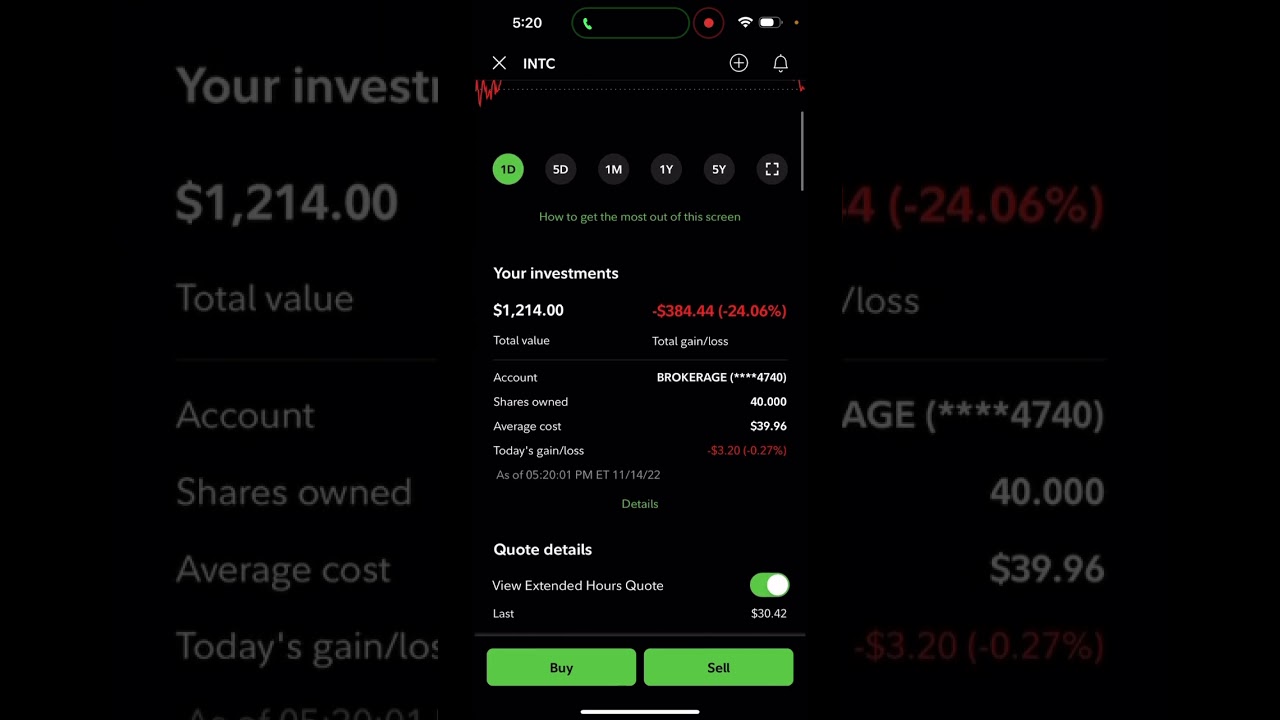

Fidelity Portfolio Takes a Hit: What It Means for Investors
Investors in Fidelity’s portfolio management services are feeling the heat today as reports come in about a notable decline in portfolio values. The financial markets have always been subject to volatility, but today’s downturn is particularly concerning, raising questions about the factors influencing this decline and what it means for both short-term and long-term investors.
The Current State of the Market
As of today, numerous factors appear to be converging, leading to significant sell-offs across various sectors. Market analysts have pointed to economic indicators like rising inflation rates, interest rate hikes, and geopolitical tensions that are impacting investor confidence. With the ongoing uncertainty in global markets, many investors are resorting to more cautious strategies, prompting a ripple effect across portfolios managed by Fidelity and other financial institutions.
Key Factors Influencing Fidelity’s Portfolio Decline
-
Economic Indicators: Recent data releases have shown that inflation rates are higher than anticipated, causing concerns about potential recessions. Investors are rattled by the prospect of rising costs and diminishing purchasing power, leading them to rethink their investment strategies.
-
Interest Rate Hikes: The Federal Reserve’s signals about potential interest rate increases to combat inflation have left the market anxious. Higher interest rates typically lead to reduced consumer spending and lower corporate profits, which can negatively impact equity markets.
-
Global Concerns: Geopolitical tensions, such as trade disputes and military conflicts, have kept investors on high alert. These issues can create uncertainty in global supply chains, significantly affecting sectors like technology and energy, which are key components of many Fidelity portfolios.
- Sector Performance: Certain sectors, particularly technology and consumer discretionary, have experienced notable declines. As these sectors are heavily weighted in many Fidelity-managed portfolios, their downturn has a compounded effect on overall portfolio values.
What This Means for Investors
For current Fidelity investors, this decline can be unsettling. However, it’s essential to take a measured approach. Here are some considerations:
-
Stay Informed: Keeping abreast of market trends and economic indicators is crucial. This knowledge can help investors make informed choices about whether to hold, buy, or sell.
-
Long-Term Focus: While short-term fluctuations can be concerning, maintaining a long-term investment strategy is often beneficial. Reacting impulsively to market changes can lead to missed opportunities when the market eventually rebounds.
-
Diversification: Ensuring that portfolios are well-diversified across various asset classes can help mitigate risks associated with downturns in specific sectors. Fidelity offers various options for investors looking to diversify their holdings.
- Consult Financial Advisors: Engaging with a financial advisor can provide personalized insights into how to navigate this challenging market landscape, ensuring that investment strategies are aligned with individualized financial goals.
Conclusion
Today’s decline in Fidelity’s portfolio values serves as a stark reminder of the inherent volatility present in financial markets. While the current downturn may be disheartening, it is crucial for investors to remain calm and focus on their long-term objectives. By staying informed, diversifying their investments, and possibly seeking professional guidance, investors can better position themselves to weather this storm and ultimately thrive in the ever-evolving financial landscape.
As always, patience and prudence will be key as the market adjusts and responds to the new data and circumstances that continually shape our economic environment.
LEARN MORE ABOUT: IRA Accounts
CONVERT IRA TO GOLD: Gold IRA Account
CONVERT IRA TO SILVER: Silver IRA Account
REVEALED: Best Gold Backed IRA




0 Comments