
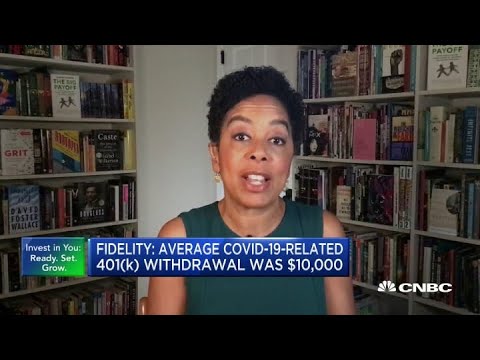

Average COVID-19-Related 401(k) Withdrawal Was $10,000: Fidelity
As the world grappled with the unprecedented challenges brought on by the COVID-19 pandemic, many Americans found themselves facing financial difficulties that necessitated tapping into their retirement savings. A recent report from Fidelity Investments reveals that the average 401(k) withdrawal related to the pandemic stood at around $10,000. This statistic sheds light on the financial landscape during this tumultuous period and raises important questions about long-term investment strategies and retirement planning.
The Context Behind Withdrawals
The CARES Act, signed into law in March 2020, provided relief to millions of Americans by allowing individuals impacted by the pandemic to withdraw up to $100,000 from their retirement accounts without the usual penalties typically associated with early withdrawals. This provision was designed to offer much-needed liquidity to those who lost their jobs, faced reduced income, or were forced to cover unexpected medical expenses due to COVID-19.
The flexibility provided by the CARES Act, which also allowed individuals to pay back these withdrawals within three years, played a crucial role in encouraging 401(k) withdrawals. For many, the option to access funds without hefty penalties presented a viable solution to immediate financial strains.
Understanding the Average Withdrawal Amount
Fidelity’s revelation of an average withdrawal of $10,000 is striking. This figure encapsulates the financial desperation many individuals faced as they sought to maintain their economic stability during a time of uncertainty. For those who had been financially stable prior to the pandemic, this withdrawal may have been seen as a last resort.
Moreover, the average amount suggests that while some individuals may have withdrawn larger sums to tackle significant financial burdens, others took a more conservative approach, withdrawing only what they deemed necessary. This diversity in withdrawal amounts reflects the varied impact of the pandemic across different demographics and income levels.
The Long-Term Implications
While accessing retirement funds can provide immediate financial relief, it also raises important questions about long-term financial security. The consequences of withdrawing from a 401(k) can be far-reaching:
-
Reduced Retirement Savings: The most immediate impact is the depletion of retirement savings, which can hinder an individual’s ability to retire comfortably. The earlier in life that these funds are withdrawn, the more significant the potential loss due to compounding interest over time.
-
Tax Implications: Although the CARES Act temporarily waived penalties, withdrawals still count as taxable income. This means that individuals may face a heavier tax burden in years following their withdrawals, which can further strain their financial situation.
- Behavioral Changes: The experience of withdrawing funds might alter individuals’ perceptions of retirement savings. People may become more inclined to view their 401(k) as a source of immediate funds rather than a long-term investment, potentially leading to more withdrawals in the future.
Moving Forward
As the economy continues to recover from the pandemic, it is essential for individuals to reassess their financial strategies and prioritize retirement savings. Financial education plays a vital role in this process, helping individuals understand the long-term implications of early withdrawals and equipping them with tools to manage their finances effectively.
Employers can also take proactive steps by promoting financial wellness programs that encourage responsible saving and provide resources for employees facing financial challenges. Fellowship programs, access to financial advisors, and emergency savings funds can all help employees make informed decisions regarding their retirement savings.
Conclusion
The average COVID-19-related 401(k) withdrawal of $10,000, as reported by Fidelity, illustrates the significant financial strain inflicted by the pandemic. While these withdrawals provided necessary relief for many, they also pose long-term risks to financial security. It is crucial that both individuals and organizations take meaningful steps to address and support retirement planning, ensuring that future generations can enjoy a secure and comfortable retirement.
LEARN MORE ABOUT: 401k Plans
REVEALED: Best Investment During Inflation
HOW TO INVEST IN GOLD: Gold IRA Investing
HOW TO INVEST IN SILVER: Silver IRA Investing




Spend your money many never live that long to enjoy it.
YOU WITHDRAWING YOUR MONEY PUTS IT IN BIG BANK POCKETS
WEALTH TRANSFER OF 2020
Eeww why would anyone wanna wait that long to touch that money at this rate we wouldnt even live that long its a waste!
Because it’s for retirement it’s the last option
245,000 dead so far in the United States from covid-19.
329,755,000 NOT DEAD so far.
.07% dead so far.
99.93% NOT DEAD!!!!!!
JUST SOME FACTs
The bottom line is you have to be an idiot to take your retirement money out which will mean you will have to work like a slave for even longer
Sad sad
Praise Jesus that people are aware, this happened.so no savings!!!!
The 401(k) stooge back it = they must be broke beyond understanding at this point & the morons in charge are too stupid to see the repercussions #Merica