

Okay, let’s craft an article about Fidelity’s S&P 500 ETF, with a focus on the power of compound interest.
Fidelity’s S&P 500 ETF (FXAIX/FSPGX): A Simple Path to Compounding Wealth
For investors seeking broad market exposure and the potential for long-term growth, the S&P 500 index is a perennial favorite. It represents 500 of the largest publicly traded companies in the United States, offering a diversified snapshot of the American economy. And when it comes to accessing this index, Fidelity offers compelling options: the Fidelity 500 Index Fund (FXAIX) and the Fidelity S&P 500 ETF (FSPGX). Let’s explore why these funds, particularly with the magic of compound interest, can be a powerful tool for building wealth.
Understanding the Fidelity S&P 500 Options
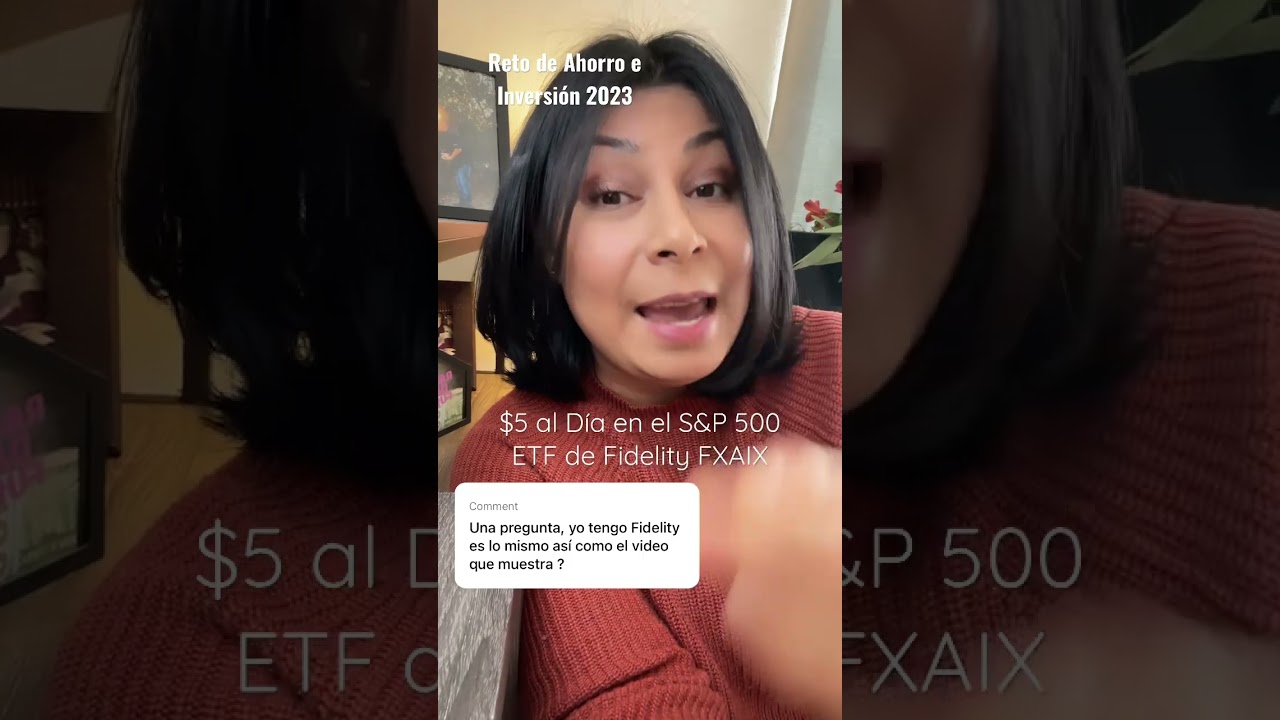
Fidelity provides access to the S&P 500 through both a mutual fund (FXAIX) and an Exchange-Traded Fund (ETF) (FSPGX). Both aim to mirror the performance of the S&P 500 index, but they have some key differences:
-
FXAIX (Fidelity 500 Index Fund): This is a traditional mutual fund. It’s typically purchased directly through Fidelity or within a retirement account. You can buy fractional shares, allowing you to invest any dollar amount. Transactions are processed at the end of the trading day.
-
FSPGX (Fidelity S&P 500 ETF): This is an ETF, meaning it trades on stock exchanges like individual stocks. You buy and sell shares throughout the trading day at the prevailing market price. ETFs often have slightly lower expense ratios than comparable mutual funds. You typically need to buy whole shares.
Key Features and Benefits
Both FXAIX and FSPGX share these attractive features:
-
Broad Diversification: Investing in either fund instantly gives you exposure to 500 of the largest U.S. companies, spanning various sectors like technology, healthcare, finance, and consumer discretionary. This diversification helps to reduce risk compared to investing in individual stocks.
-
Low Expense Ratios: Fidelity is known for its competitive pricing. Both FXAIX and FSPGX boast extremely low expense ratios (typically around 0.015% or lower). This means very little of your investment is eaten away by fees, maximizing your returns. This is critical for compounding.
-
Passive Management: These funds are passively managed, meaning they simply track the S&P 500 index. There’s no expensive team of analysts trying to “beat the market.” This contributes to the low expense ratios.
-
Transparency: The holdings of the funds are publicly available, so you always know what companies you’re invested in.
The Power of Compound Interest: Your Wealth-Building Secret Weapon
Now, let’s get to the heart of the matter: compound interest. Albert Einstein reportedly called it the “eighth wonder of the world.” Here’s why:
Compound interest is earning interest not only on your initial investment (the principal) but also on the accumulated interest from previous periods. It’s interest on interest. Over time, this snowball effect can dramatically accelerate your wealth accumulation.
Here’s how it works with Fidelity’s S&P 500 funds:
- You Invest: You invest a sum of money (e.g., $100, $1,000, or more) in FXAIX or FSPGX.
- The S&P 500 Grows (Hopefully!): The S&P 500 index, and thus your fund, experiences growth based on the performance of the underlying companies. Let’s say it grows by an average of 10% per year (historical averages are around this, but remember, past performance is not indicative of future results).
- You Earn Interest (Capital Appreciation): Your investment grows by 10%. This growth is effectively your “interest.”
- The Magic Happens: The next year, you earn interest not just on your original investment but also on the interest you earned in the previous year. This is compounding.
- Repeat, Repeat, Repeat: Over decades, this compounding effect becomes incredibly powerful. Even small, consistent investments can grow into substantial sums.
Example:
Let’s say you invest $10,000 in FSPGX and it grows at an average of 8% per year (a more conservative estimate) for 30 years.
- Without compounding (simple interest): You’d earn $800 per year, totaling $24,000 in interest over 30 years. Your total would be $34,000.
- With compounding: After 30 years, your investment would grow to approximately $100,627. The difference ($66,627) is the magic of compounding!
Why Fidelity’s S&P 500 Funds Are Great for Compounding:
- Low Costs: The low expense ratios mean more of your returns stay in your account to compound. Even small differences in fees can have a significant impact over long periods.
- Consistent Returns: While the S&P 500 fluctuates, historically it has delivered strong long-term returns. This provides a solid foundation for compounding.
- Easy to Automate: You can set up automatic investments into FXAIX or FSPGX, making it easy to consistently contribute and take advantage of dollar-cost averaging (investing a fixed amount regularly, regardless of the market price). This helps you buy more shares when prices are low.
Important Considerations:
- Market Volatility: The S&P 500 can be volatile. There will be ups and downs. It’s crucial to have a long-term perspective and avoid panic selling during market downturns.
- Risk Tolerance: Investing in the stock market involves risk. Make sure you understand your own risk tolerance before investing.
- Taxes: Be aware of the tax implications of investing in these funds, particularly if held in a taxable account.
- Alternatives: While the S&P 500 is a great option, consider other asset classes (like bonds) to diversify your portfolio based on your individual circumstances.
How to Get Started:
- Open a Fidelity Account: If you don’t already have one, open a brokerage account at Fidelity.
- Fund Your Account: Deposit funds into your account.
- Choose Your Fund: Decide whether you prefer the mutual fund (FXAIX) or the ETF (FSPGX). Consider factors like minimum investment amounts and trading preferences.
- Invest: Purchase shares of FXAIX or FSPGX.
- Automate (Optional but Recommended): Set up automatic investments to consistently contribute to your fund.
- Stay the Course: Be patient and stay invested for the long term to reap the full benefits of compound interest.
In Conclusion:
Fidelity’s S&P 500 ETF (FSPGX) and its mutual fund counterpart (FXAIX) offer a simple, low-cost way to invest in the broad U.S. stock market. Combined with the power of compound interest, these funds can be a powerful tool for building long-term wealth. Remember to do your own research, consider your own financial situation, and consult with a financial advisor if needed. Happy investing!
LEARN MORE ABOUT: IRA Accounts
CONVERT IRA TO GOLD: Gold IRA Account
CONVERT IRA TO SILVER: Silver IRA Account
REVEALED: Best Gold Backed IRA




0 Comments