

Decoding the 401(k) Contribution: What’s “Normal” and What’s Right For You?
Saving for retirement can feel overwhelming. With so many investment options and financial advice swirling around, knowing where to start, and more importantly, how much to contribute to your 401(k) can be a real head-scratcher.
We’ve all heard the golden rule: “Save as much as you can!” But in the real world, juggling bills, student loans, and daily expenses makes that a tall order. So, what’s a “normal” 401(k) contribution? And more importantly, what’s the right contribution for you?
Understanding the Averages:
Let’s start with some benchmarks. According to various studies, the average 401(k) contribution rate in the U.S. hovers around 10-15% of salary. This includes both employee contributions and any employer match.
- Employee-Only Contribution: Without factoring in employer matches, the average employee contribution tends to be around 6-8% of salary.
Why “Normal” Isn’t Always Enough:
While these numbers offer a starting point, it’s crucial to understand that “average” might not equate to “sufficient.” Several factors can impact how much you need to save:
- Age: Younger individuals generally have more time to benefit from compounding interest and may be able to start with smaller contributions. Those closer to retirement often need to ramp up their savings.
- Income: Higher earners can typically afford to contribute more, while those with lower incomes might need to prioritize essential expenses.
- Lifestyle Goals: Your desired retirement lifestyle significantly impacts your required savings. Do you envision traveling the world, pursuing hobbies, or simply maintaining your current standard of living?
- Existing Savings: Are you starting from scratch, or do you already have other retirement accounts, like an IRA or brokerage account?
- Debt: High-interest debt can hinder your ability to save. Consider paying down debt strategically before significantly increasing 401(k) contributions.
The Power of the Employer Match:
One of the most significant benefits of a 401(k) is the potential for an employer match. This is essentially “free money” that can significantly boost your retirement savings.
- Always Aim for the Full Match: At the very least, contribute enough to receive the full employer match. This is often expressed as a percentage of your salary (e.g., “50% match on the first 6% of your salary”). Missing out on the match is like leaving money on the table!
Beyond “Normal”: Finding Your Sweet Spot:
Instead of focusing solely on averages, consider these steps to determine your optimal 401(k) contribution:
- Assess Your Financial Situation: Create a budget to track your income, expenses, and debt.
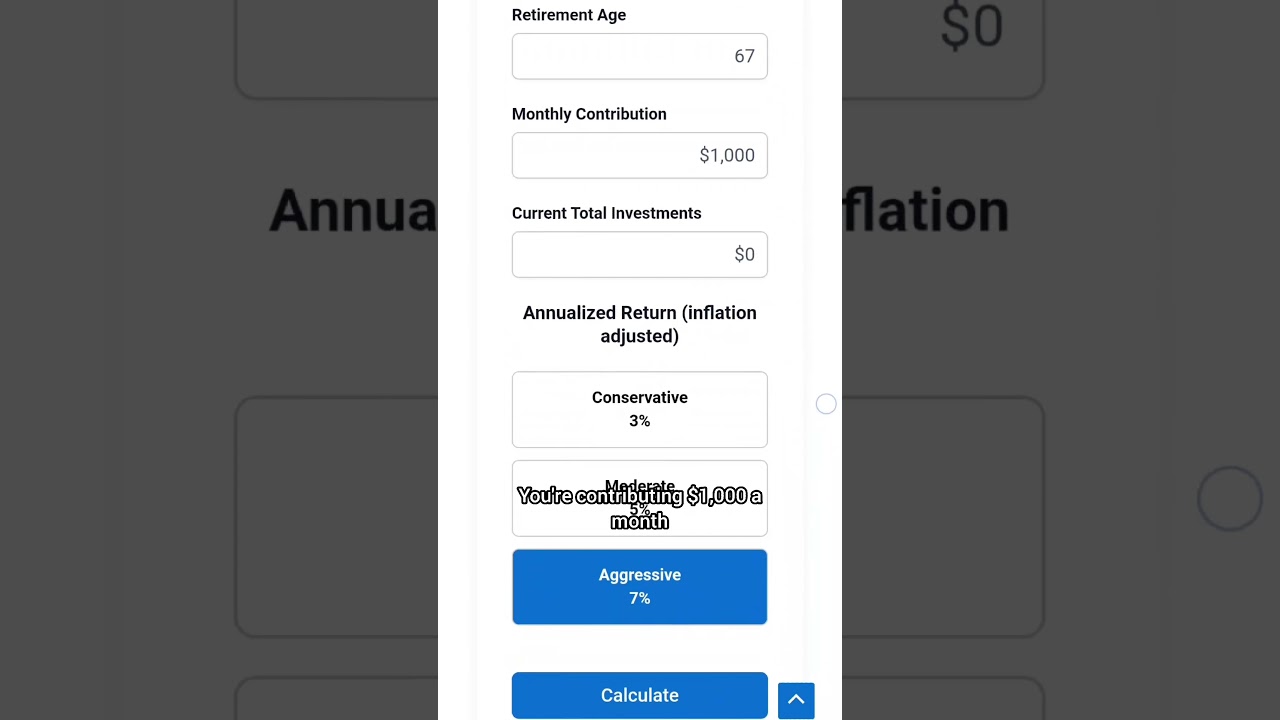
- Calculate Your Retirement Needs: Use online retirement calculators (like those offered by Fidelity, Vanguard, or T. Rowe Price) to estimate how much you’ll need to retire comfortably. These tools consider factors like your age, income, desired retirement age, and expected expenses.
- Factor in Social Security: While not a primary source of income, Social Security can supplement your retirement savings. Estimate your potential benefits on the Social Security Administration website.
- Start Small and Increase Gradually: If contributing a large percentage feels overwhelming, start with a smaller amount (e.g., enough to get the full employer match) and gradually increase it each year. Even a 1% increase can make a big difference over time.
- Consider the “Savings Escalator”: Some 401(k) plans offer an automatic “savings escalator” feature, which automatically increases your contribution percentage each year.
- Don’t Forget Inflation: Remember to factor in inflation when estimating your future expenses. What seems like a comfortable amount today might not be enough in 20 or 30 years.
- Consult a Financial Advisor: A financial advisor can provide personalized guidance based on your individual circumstances and help you create a comprehensive retirement plan.
Key Takeaways:
- The “normal” 401(k) contribution rate is around 10-15% (including employer match), but this might not be enough for everyone.
- Always contribute enough to receive the full employer match.
- Calculate your individual retirement needs and adjust your contribution rate accordingly.
- Start small and increase gradually over time.
- Don’t be afraid to seek professional financial advice.
#retirementplanning #personalfinance #financialliteracy #401k
Disclaimer: This article provides general information and should not be considered financial advice. Consult with a qualified financial advisor for personalized guidance.
LEARN MORE ABOUT: 401k Plans
REVEALED: Best Investment During Inflation
HOW TO INVEST IN GOLD: Gold IRA Investing
HOW TO INVEST IN SILVER: Silver IRA Investing




0 Comments