
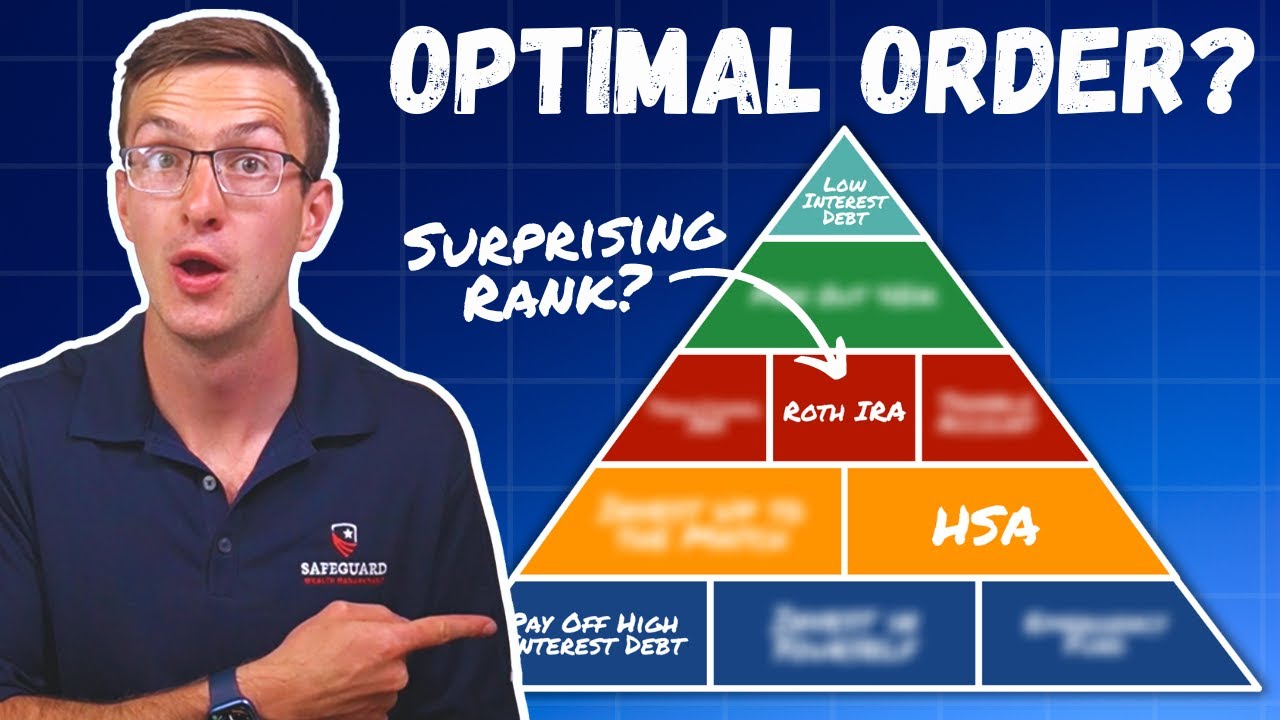

Financial Planner Explains: Optimal Order of Investing for Retirement
Planning for retirement is a crucial endeavor that many individuals will face in their financial journeys. While everyone’s circumstances and goals are different, a key aspect of successful retirement planning is understanding the optimal order of investing. Financial planners frequently emphasize the significance of a strategic approach to investing that can impact your financial health in retirement.
Understanding Retirement Goals
Before delving into the specifics of how to prioritize investments, it’s essential to clarify your retirement goals. Consider the following questions:
- At what age do you plan to retire?
- What kind of lifestyle do you envision during retirement?
- Do you plan to travel, pursue hobbies, or downsize your living situation?
- Will you need to support any dependents or loved ones?
Identifying your retirement vision will help guide your investment decisions and priorities.
Step 1: Build an Emergency Fund
Before you begin investing for retirement, it’s prudent to have a solid financial foundation. Financial planners recommend establishing an emergency fund that can cover three to six months’ worth of living expenses. This fund acts as a financial safety net, allowing you to avoid dipping into retirement accounts for unexpected expenses, such as medical emergencies or urgent home repairs.
Step 2: Maximize Employer Contributions
If you are included in a workplace retirement plan, such as a 401(k), take full advantage of any employer match. This is essentially "free money," as employers often match a percentage of your contributions up to a certain limit. Contributing enough to capture the full employer match is often regarded as a top priority for retirement investing, as it provides an immediate return on your investment.
Step 3: Contribute to Standard Retirement Accounts
Once you’ve captured the employer match, turn your attention to other retirement accounts. Traditional 401(k)s and individual retirement accounts (IRAs) offer tax advantages that can significantly benefit your long-term savings. Here’s a simple breakdown of how to approach these accounts:
-
Traditional IRA: Contributions may be tax-deductible, and you won’t pay taxes on the investment gains until you withdraw funds during retirement. This is a strong option for those who expect to be in a lower tax bracket post-retirement.
- Roth IRA: Contributions are made with after-tax dollars, but qualified withdrawals are tax-free. This account can be particularly beneficial if you anticipate being in a higher tax bracket during retirement.
Step 4: Focus on Taxable Investments
After maximizing your retirement accounts, consider investing in taxable brokerage accounts. These provide more flexibility than retirement accounts, as you can buy and sell investments without the same penalties or tax implications associated with early withdrawals from retirement accounts. Taxable accounts can be particularly useful for funding goals that may occur before retirement, such as college tuition or buying a home.
Step 5: Explore Other Investment Opportunities
Once you’ve established a solid foundation with emergency savings, employer-matching contributions, and tax-advantaged retirement accounts, explore other investment opportunities. This can include:
-
Real Estate: Investing in rental properties can provide a steady income stream and potential appreciation in value. However, this requires a significant initial investment and ongoing management.
-
Stocks and Bonds: Diversifying your portfolio with individual stocks, bonds, or mutual funds can balance risk and return. It’s vital to consider your risk tolerance and investment horizon when making these decisions.
- Annuities: These insurance products can provide guaranteed income in retirement, but they come with complexities and should be approached cautiously. Consider speaking with a financial advisor to determine if annuities are suitable for your financial plan.
Step 6: Regularly Review Your Portfolio
Investing for retirement isn’t a one-time task. Periodic assessments of your investment mix and goals are vital to ensure alignment with changing circumstances, market conditions, and retirement strategies. Regularly revisit your investment strategy to make adjustments as needed, ensuring that your portfolio remains diversified and meets your long-term objectives.
Conclusion
The optimal order of investing for retirement is not a one-size-fits-all approach but rather a carefully tailored strategy that addresses individual financial situations and goals. By prioritizing the establishment of an emergency fund, maximizing employer contributions, utilizing retirement accounts efficiently, and exploring a variety of investment opportunities, individuals can build a robust retirement plan. Consulting with a financial planner can provide tailored advice and strategies that will help secure your financial future as you approach retirement. With careful planning and disciplined investing, you can work towards the retirement of your dreams.
LEARN MORE ABOUT: IRA Accounts
INVESTING IN A GOLD IRA: Gold IRA Account
INVESTING IN A SILVER IRA: Silver IRA Account
REVEALED: Best Gold Backed IRA




Your explanation between a traditional IRA and a Roth IRA is the best I found. New paragraph you should make a clip of just that part for people