
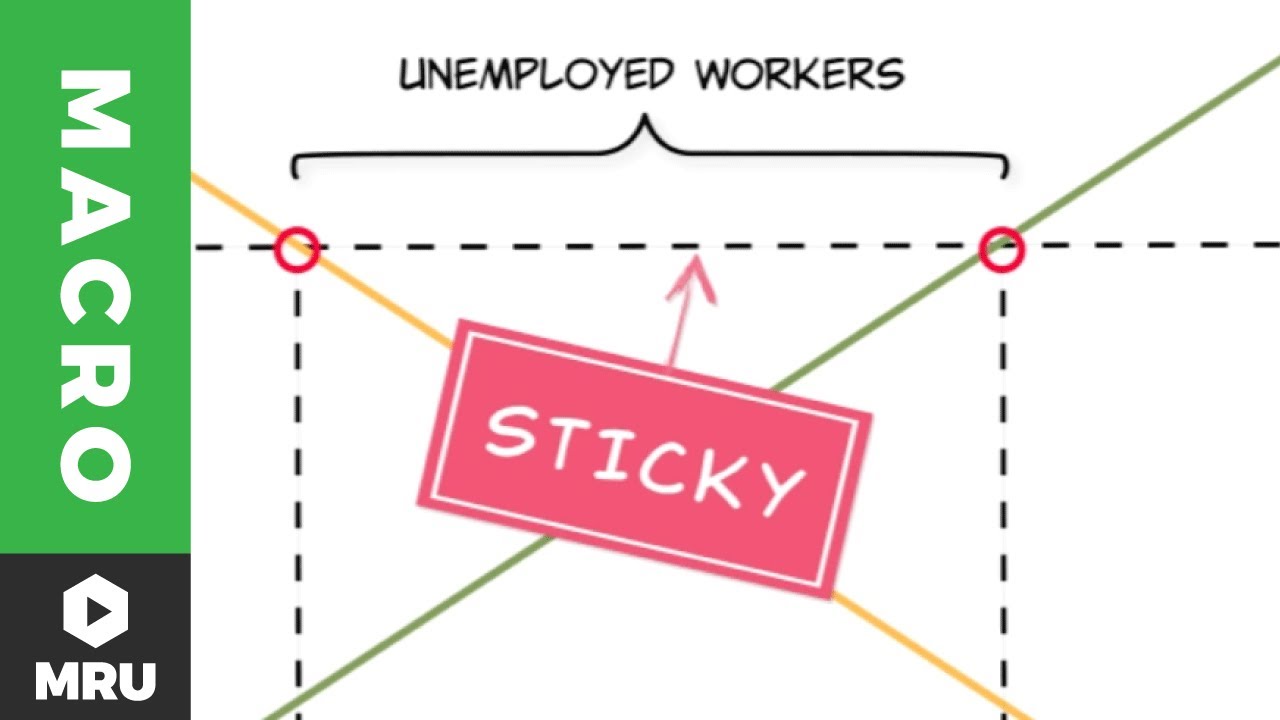

Understanding Cyclical Unemployment
Cyclical unemployment is a critical concept in economics, representing the fluctuations in unemployment that correlate with the economic cycle. Unlike other forms of unemployment—such as frictional or structural unemployment—cyclical unemployment arises specifically from economic downturns or recessions and tends to diminish during periods of economic growth.
What Causes Cyclical Unemployment?
Cyclical unemployment is primarily caused by a decrease in demand for goods and services, which typically occurs during recessions. When consumers and businesses cut back on spending due to uncertainty or decreased confidence in the economy, companies respond by reducing their production and, in turn, their workforce. As firms lay off employees, the unemployment rate rises.
Key factors that contribute to cyclical unemployment include:
- Economic Recession: A significant decline in economic activity leads to reduced demand for labor, resulting in layoffs.
- Consumer Confidence: Decreased consumer spending can trigger a negative feedback loop where businesses lose revenue, leading to further layoffs.
- Global Economic Conditions: Economic challenges in major economies can spill over into other markets, affecting employment levels worldwide.
The Impact of Cyclical Unemployment
Cyclical unemployment has far-reaching effects on both individuals and the economy as a whole:
- Financial Strain on Households: Unemployed individuals face financial difficulties that can lead to increased poverty and lower living standards. This can also create emotional stress and affect mental health.
- Government Intervention: As unemployment rises, governments often implement fiscal stimulus measures—such as increased spending and tax cuts—to stimulate the economy and reduce unemployment rates.
- Long-term Economic Effects: Prolonged cyclical unemployment can lead to structural changes in the workforce. Skills may become outdated, and workers may take jobs in different sectors, which can limit future employment opportunities for others.
Addressing Cyclical Unemployment
Addressing cyclical unemployment typically requires government intervention and policies aimed at stimulating economic growth:
- Monetary Policy: Central banks can lower interest rates to make borrowing cheaper and encourage spending and investment.
- Fiscal Policy: Governments may increase public spending on infrastructure projects and provide financial assistance to businesses to stabilize employment levels.
- Job Training Programs: Implementing retraining programs can help workers adapt to new industries, reducing the long-term impact of unemployment.
Conclusion
Cyclical unemployment is an essential aspect of understanding broader economic trends and challenges. By identifying the causes and implementing effective policies, governments can mitigate the effects of cyclical unemployment and foster a more resilient labor market. Ultimately, healthy economic cycles not only benefit businesses but also promote sustainable employment, creating a more secure future for individuals and communities alike.
BREAKING: Recession News
REVEALED: Best Investment During Inflation
HOW TO INVEST IN GOLD: Gold IRA Investing




Well wouldn't it be better in the macro scale to not be focused on fixing unemployment but to provide meaningful work that is beneficial for their family. Growth is what's needed, not a spin up. Technology is going to transform this world, computer engineering has and will continue to free workers of there duties, great gains will be made in business. Top innovations have been, canals, roads/car, trains, telegraph/phone, electricity, computer, internet… for the future is the second generation of computation/Nero net, autonomous farming/travel/mining/fishing/logging/retail/warehousing, safe nuclear battery technology application on large scale, a decentralized shipping system, numerous chemicals that will be developed and there application for the farming/mining/construction industrys.
Why do none of the hypotheses macroeconomists propose ever seem to be followed up by an empirical validation? Are there places where the cultural expectation that wages will not decrease is not shared, and do those places have similar lags between recovery and the return to full employment? What about the many countries without minimum wages? Or with little to no union membership? Anyone can propose a hypothesis and then shrug their shoulders. Even contemporary historians seem more concerned with evidence, and they've got legitimate reasons to be content with unscientific methodology. This field doesn't.
namaste
You always about yo be fired. Thats life. Multiple streams of income is the key.
What does it mean for the actual unemployment rate to be below the natural rate like in the 70s?
Great video. A course I'm doing touched on this – great to see it explored clearly and in more depth. Will check out your other videos 🙂
appliance.academy
Where are his eyelashes? They must be unemployed.
sir, i have a question-
why this unemployment rate graph is so up and down?
i mean,why it is not stable or flat sometimes?why the graph is so zigzag?what are the reasons?
Nice one! Thanks.
Awesome lecture
I believe that wages are sticky because of the salary system. People are paid rigid salaries, and those are rarely negotiated once the person starts working there. However, imagine if workers were paid a percentage of the company's profits every year, regardless of what that ended up being. Say a worker at Apple was paid .00001% of the company's profits. In a good year it would be like $70,000 per year, in a bad year, it would be $40,000 per year. People would be used to change and would keep working there. However, if people have the mentality that they would quit if their boss tried to reduce their salary, then bosses have to fire them if there is not enough money to pay them.
these videos are awesome I don't understand why aren't more people are not watching these ?
I'm calling bullshit on this sugar-coated justification to pay the working man or woman less. If employers had their way they'd pay no salary at all. Fuck this guy!
Finally, a video that goes into some detail as to why the labour market is different from most other markets for good and services.
I would love to see more videos that show features that distinguish the labour market and the reasons why it is the way it is.