
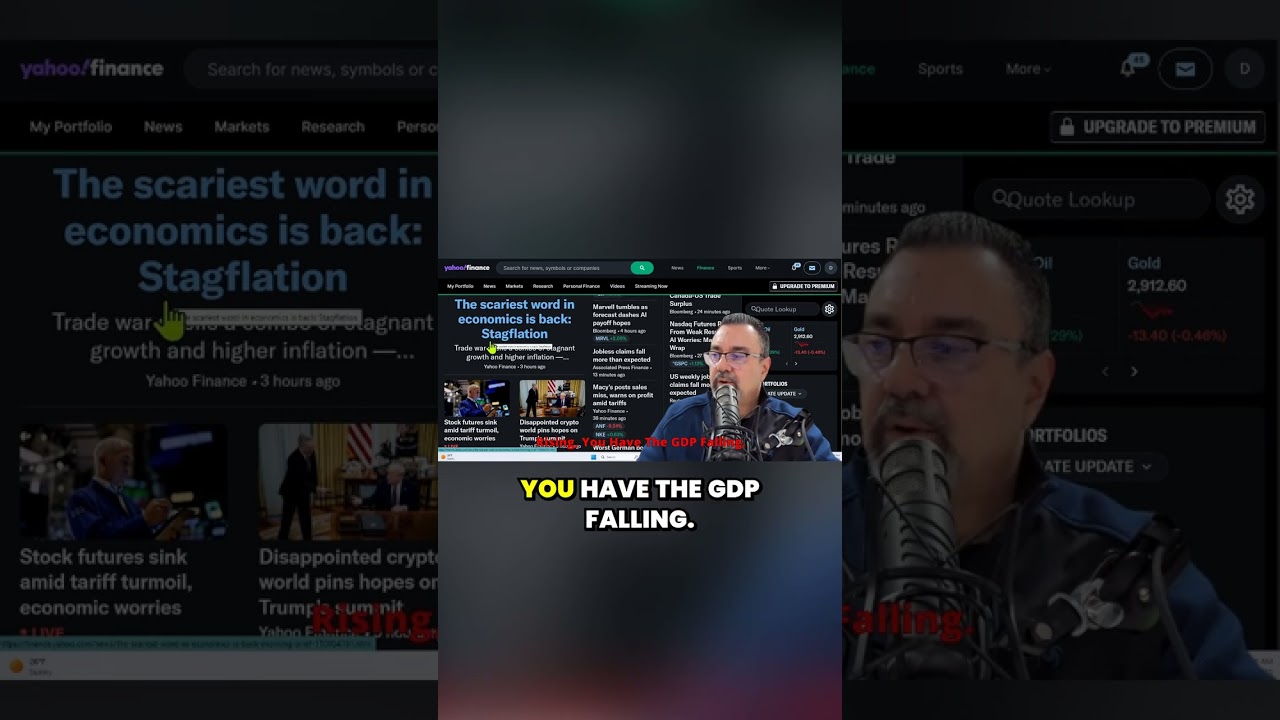

Understanding Stagflation and Its Impact on Investments
Stagflation is an economic phenomenon marked by stagnant economic growth, high unemployment, and rising inflation. This unusual combination presents a challenging environment for policymakers, businesses, and investors alike. Understanding stagflation is crucial for navigating these turbulent times, particularly for those looking to protect and grow their investments.
What is Stagflation?
The term "stagflation" combines “stagnation” and “inflation.” It describes a situation where the economy experiences slow growth or recession while inflation rates climb. Traditionally, inflation and unemployment are seen as inversely related due to the Phillips Curve, which suggests that low unemployment typically leads to higher inflation. However, during stagflation, both unemployment and inflation rise simultaneously, defying conventional economic theories.
The concept became widely recognized during the 1970s when many advanced economies, particularly the United States, faced soaring oil prices, supply chain disruptions, and poor economic performance. This period was marked by high inflation, rising unemployment, and a general slowdown in economic activities, leading to a new understanding of the complexities of economic management.
Causes of Stagflation
Several factors can contribute to the occurrence of stagflation:
-
Supply Shocks: Sudden increases in the prices of key commodities, such as oil, can lead to higher production costs. For example, the oil crises of the 1970s significantly increased energy prices, hurting businesses and consumers alike.
-
Monetary Policies: Overly accommodative monetary policies can lead to excessive money supply and inflation. When central banks fail to respond adequately to inflationary pressures, the economy can overheat while unemployment remains high.
-
Structural Changes: Changes in the economy, such as the decline of certain industries or labor market inefficiencies, can contribute to rising unemployment and hinder traditional economic growth.
- Global Economic Factors: Global market dynamics, such as trade tensions, geopolitical instability, or pandemics, can disrupt supply chains and contribute to inflation while simultaneously limiting economic growth.
Impact on Investments
Stagflation can have profound effects on various asset classes, influencing investment strategies and decisions. Here are key areas to consider:
1. Equities
Stagflation often leads to volatility in the stock market. High inflation can erode corporate profit margins, especially for companies that cannot pass on increased costs to consumers. Sectors dealing with necessities, such as utilities and consumer staples, may perform better due to stable demand. Conversely, growth stocks may suffer due to higher discount rates and reduced earnings growth. Investors may seek defensive stocks that provide stable earnings and dividends.
2. Bonds
In a stagflation scenario, bonds can be particularly vulnerable. Rising inflation diminishes the real returns on fixed-income investments, while central banks may respond to inflation with interest rate hikes, leading to falling bond prices. However, Treasury Inflation-Protected Securities (TIPS) can provide a hedge against inflation, preserving purchasing power.
3. Commodities
Commodities like gold and oil often thrive during periods of stagflation. As inflation rises, investors flock to tangible assets as a store of value. Oil prices may also rise due to supply constraints, further fueling inflation. Real assets, including real estate and commodities, generally perform well in an inflationary environment.
4. Alternative Investments
In times of economic uncertainty, alternative investments such as hedge funds, private equity, or infrastructure projects can provide diversification benefits. These assets often have low correlations with traditional equities and bonds, making them appealing in volatile markets.
Strategies for Investors
Given the challenges posed by stagflation, investors may consider several strategies:
-
Diversification: Spreading investments across various asset classes can help mitigate risks associated with stagflation.
-
Focus on Quality: Investing in companies with strong balance sheets, pricing power, and resilient business models can help withstand economic pressures.
-
Stay Informed: Keeping abreast of economic indicators, central bank policies, and global trends is crucial for making informed investments during stagflation.
- Inflation Hedging: Consider assets that traditionally perform well during inflationary periods. This can include commodities, real estate, and inflation-linked bonds.
Conclusion
Understanding stagflation is essential for navigating its complexities and mitigating its impacts on investments. As the economic landscape evolves, investors must remain vigilant and adaptable, employing strategies that can withstand periods of stagnant growth and rising inflation. By recognizing the signs and adjusting their portfolios accordingly, investors can better position themselves to weather the challenges posed by stagflation.
LEARN ABOUT: Investing During Inflation
REVEALED: Best Investment During Inflation
HOW TO INVEST IN GOLD: Gold IRA Investing
HOW TO INVEST IN SILVER: Silver IRA Investing




0 Comments