
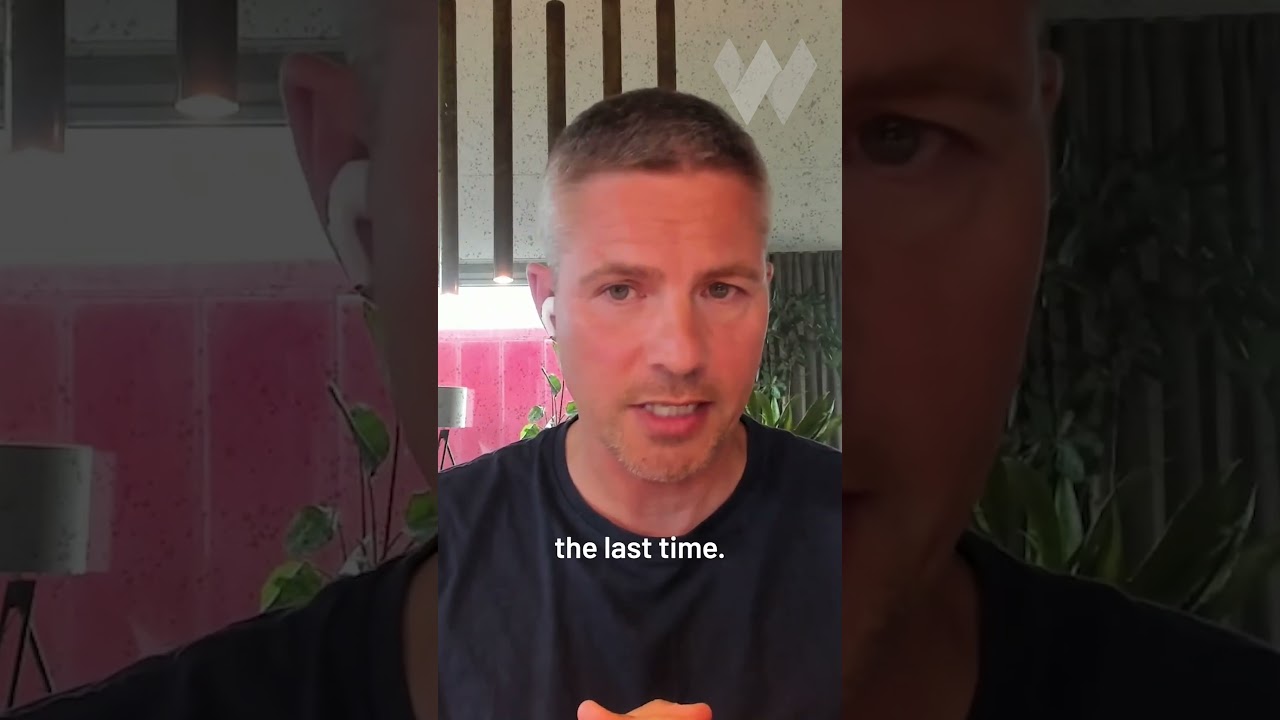

An Economic Crisis Worse Than 2008? Exploring Henrik Zeberg’s Stark Warning
The financial crisis of 2008 sent shockwaves through the global economy, leaving scars that are still felt today. Now, some analysts are warning of an even more severe crisis on the horizon. Among the most vocal is Henrik Zeberg, a macroeconomist known for his often contrarian and bearish views. But is his prediction of an economic downturn exceeding the severity of 2008 just fearmongering, or is there a legitimate basis for his concerns?
Zeberg’s argument centers around the build-up of unprecedented levels of debt globally, combined with the impact of central bank policies and changing demographics. He argues that:
1. Debt Bubble Ready to Burst: Zeberg points to the excessive accumulation of debt, both public and private, as a ticking time bomb. He believes that this debt-fueled growth is unsustainable and that when interest rates rise, as they have been doing recently, the ability to service this debt will be severely challenged. This could trigger a cascade of defaults, leading to a credit crunch similar to, but potentially larger than, the one experienced in 2008.
2. Central Bank Miscalculations: Zeberg is critical of central bank policies, particularly quantitative easing (QE) and low interest rates, which he believes have inflated asset prices and distorted market signals. He argues that these policies have created a false sense of security and encouraged reckless borrowing. Now, as central banks attempt to combat inflation by tightening monetary policy, they risk popping the bubble they helped create.
3. Demographic Shifts & Productivity Stagnation: He also highlights the impact of demographic shifts, specifically an aging population in many developed countries. This, he argues, leads to lower productivity and slower economic growth, making it even more difficult to service the massive debt burdens. The lack of significant productivity breakthroughs compounds the problem, leaving the global economy vulnerable.
4. Geopolitical Instability: While not Zeberg’s primary focus, the current geopolitical landscape, including the war in Ukraine and increasing tensions between major global powers, adds another layer of risk to the equation. These uncertainties can disrupt supply chains, increase energy prices, and further dampen economic activity.
What Makes His Prediction “Worse Than 2008”?
Zeberg argues that the scale and scope of the current vulnerabilities are far greater than they were in 2008. The amount of global debt is significantly higher, central banks have fewer tools at their disposal to combat a crisis, and the geopolitical environment is more volatile. He believes that the resulting economic downturn could lead to a prolonged period of recession, high unemployment, and significant social unrest.
Is Zeberg Right? Considerations and Counterarguments:
While Zeberg’s warnings are stark, it’s important to consider alternative perspectives and acknowledge the complexities of the global economy:
- Resilience of the Financial System: Since 2008, significant regulatory reforms have been implemented to strengthen the financial system and make it more resilient to shocks. Banks are generally better capitalized and subject to stricter oversight.
- Central Bank Expertise: Central banks have learned valuable lessons from the 2008 crisis and have a better understanding of how to manage economic downturns. They may be able to deploy unconventional monetary policies to mitigate the impact of a crisis.
- Innovation and Technological Advancements: Technological advancements continue to drive productivity growth in certain sectors, which could help offset the impact of demographic shifts.
- Policy Responses: Governments and international organizations are capable of implementing fiscal stimulus packages and coordinated policy responses to mitigate the impact of a global economic crisis.
Conclusion: A Call for Vigilance, Not Panic
While Henrik Zeberg’s predictions are undoubtedly alarming, they should be viewed as a call for vigilance rather than a cause for panic. His analysis highlights the vulnerabilities in the global economy and the need for policymakers to address these challenges proactively.
Whether his predictions ultimately come to fruition remains to be seen. However, his perspective serves as a valuable reminder of the potential risks lurking beneath the surface of the global economy and the importance of prudent risk management and sound economic policies. Investors and policymakers alike should carefully consider the potential downside risks and prepare for the possibility of a more challenging economic environment in the years ahead.
Disclaimer: This article is for informational purposes only and does not constitute financial advice. Consult with a qualified financial advisor before making any investment decisions.
LEARN MORE ABOUT: Investing During Inflation
REVEALED: Best Investment During Inflation
HOW TO INVEST IN GOLD: Gold IRA Investing
HOW TO INVEST IN SILVER: Silver IRA Investing




Oil can now go up and fulfill this prophecy.
He is right, and if you do the research, this is a 20-year cycle and always will be
What economic crisis.
Only the one the voices in your head are telling you about!
Yawn
You’re crazy if you think you can predict this stuff
That’s nice honey
It's a controlled demolition of the United States.