
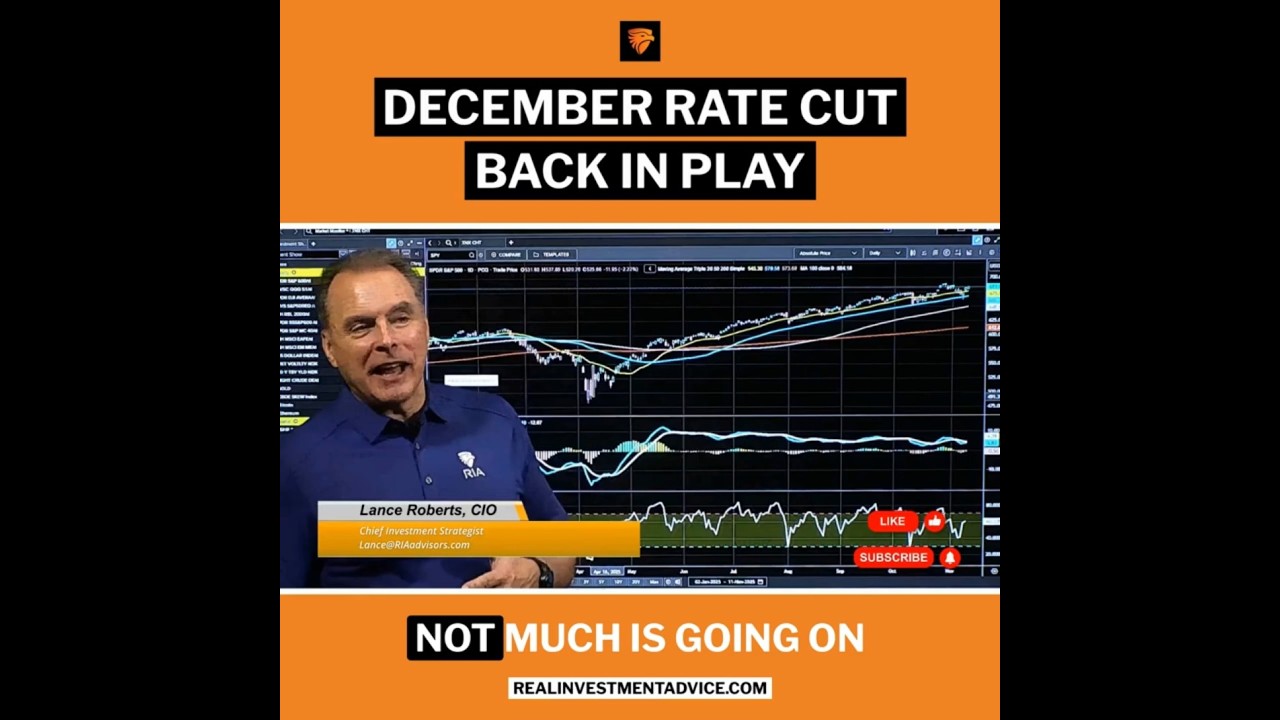

December Rate Cut Back on the Table? Markets React to Cooling Inflation
Following a string of hawkish signals, whispers of a December interest rate cut by the Federal Reserve are growing louder, fueled by the latest inflation data. While the Fed has maintained its stance of “higher for longer,” a recent drop in the Consumer Price Index (CPI) and Producer Price Index (PPI) has injected a dose of optimism into markets and reignited speculation about a potential policy shift.
The narrative surrounding interest rates has been a dominant force throughout 2023. The Fed aggressively hiked rates in an effort to tame inflation, which soared to multi-decade highs. While these hikes have undoubtedly had an impact, slowing the pace of economic growth, they’ve also raised concerns about a potential recession.
What’s Driving the Change in Sentiment?
The primary driver of the shifting sentiment is the encouraging trend in inflation data. Recent reports show inflation cooling down more quickly than previously anticipated. This suggests that the Fed’s previous rate hikes are finally taking hold, and the economy may be responding to the tightening monetary policy.
Why December 11-12-25?
While the exact date remains uncertain, the speculation around a December rate cut is centered around the Fed’s scheduled Federal Open Market Committee (FOMC) meeting on December 12-13. The 25th is a bit of a rhetorical flourish, emphasizing the potential for a pre-holiday gift to the markets in the form of a rate cut.
Factors Favoring a December Rate Cut:
- Cooling Inflation: As mentioned, the primary argument for a rate cut is the slowing pace of inflation.
- Potential Economic Slowdown: High interest rates are inherently restrictive, and concerns are growing about a potential economic slowdown or even a recession. A rate cut could provide a much-needed boost to economic activity.
- Global Economic Conditions: The global economic outlook is also weighing on the Fed’s decision. Slower growth in key economies could impact the US, prompting a more cautious approach.
Arguments Against a December Rate Cut:
- Inflation Still Above Target: Despite recent declines, inflation remains above the Fed’s 2% target. A premature rate cut could risk reigniting inflationary pressures.
- Strong Labor Market: The labor market remains relatively strong, indicating resilience in the economy. The Fed might argue that the economy can withstand higher rates for longer.
- Need for Further Data: The Fed may prefer to wait for more data, including the next round of jobs and inflation reports, before making a decision.
Market Reaction:
The possibility of a December rate cut has been met with enthusiasm by the markets. Stock prices have rallied, and bond yields have fallen, reflecting investor optimism about a more accommodative monetary policy. The US dollar has also weakened slightly, as lower interest rates tend to make a currency less attractive.
The Fed’s Dilemma:
The Federal Reserve faces a complex balancing act. It must weigh the risks of both premature easing and excessive tightening. A rate cut could provide a boost to the economy but could also risk reigniting inflation. Holding rates steady for too long could stifle economic growth and increase the risk of a recession.
Looking Ahead:
The coming weeks will be crucial in shaping the Fed’s decision. Key economic data releases, including inflation, employment, and GDP figures, will provide valuable insights into the state of the economy. The Fed’s communication, particularly during upcoming speeches and testimonies, will also be closely scrutinized for clues about its policy intentions.
Conclusion:
While a December rate cut is far from a certainty, the recent shift in sentiment highlights the evolving landscape of monetary policy. Cooling inflation and growing concerns about economic growth have put the possibility of a pre-holiday rate reduction firmly back on the table. Investors and economists alike will be closely watching the data and the Fed’s communication in the coming weeks to determine whether a December “gift” is indeed in store. The next FOMC meeting promises to be one of the most closely watched events of the year.
LEARN MORE ABOUT: Investing During Inflation
REVEALED: Best Investment During Inflation
HOW TO INVEST IN GOLD: Gold IRA Investing
HOW TO INVEST IN SILVER: Silver IRA Investing




0 Comments