
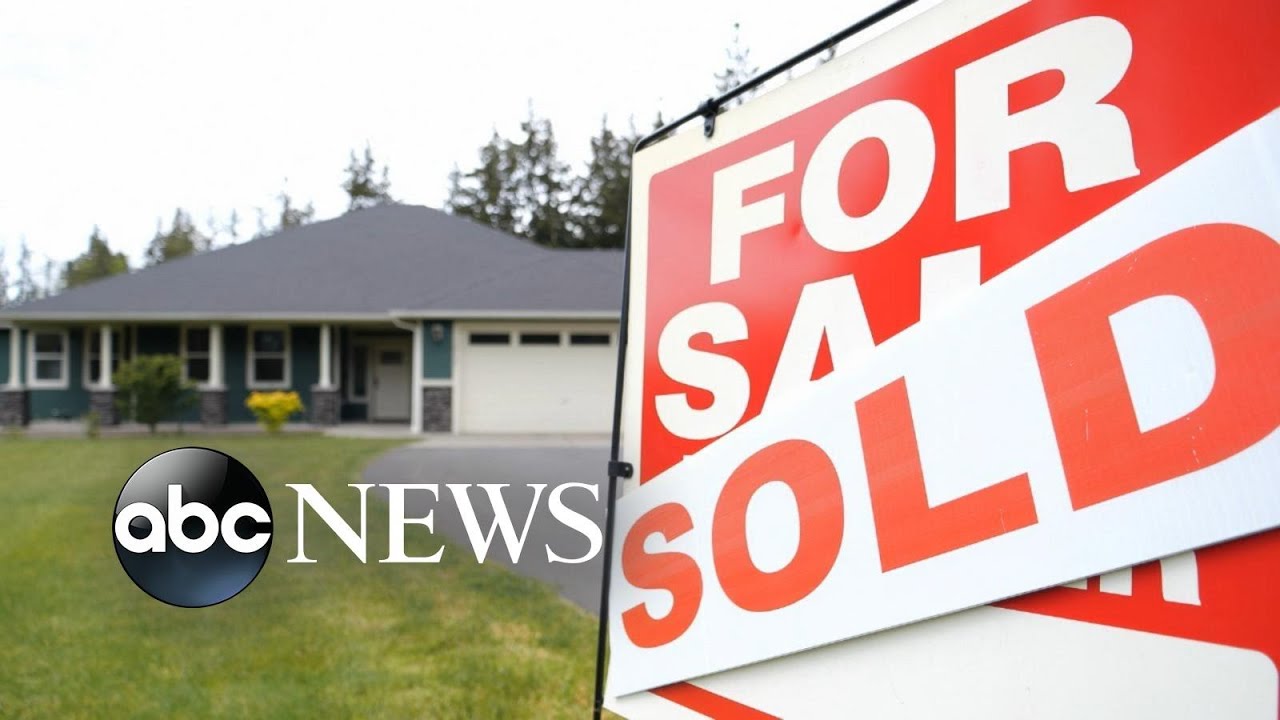

Housing Prices Slip Amid Inflation, Recession Fears
In recent months, the real estate market has shown signs of cooling off as housing prices begin to slip, raising concerns about an impending slowdown amid rising inflation and fears of a recession. This shift marks a significant change in a market that has been characterized by rapid growth and soaring prices for the better part of the last decade.
The Current Landscape
According to data from various housing market analysts, the median home price has seen a slight decline following a prolonged period of increasing values. This change can be attributed to several converging factors, including heightened mortgage rates, increased economic uncertainty, and overall inflationary pressures impacting consumer spending power.
Rising Mortgage Rates
One of the most significant contributors to the slipping housing prices is the surge in mortgage rates. The Federal Reserve’s efforts to combat inflation have led to a series of interest rate hikes aimed at tightening monetary policy. Consequently, the average fixed mortgage rate climbed to levels not seen in years, significantly affecting buyer affordability. With higher monthly payments, prospective homeowners are re-evaluating their budgets and many are being priced out of the market entirely.
Inflation and Consumer Sentiment
Simultaneously, rising inflation is squeezing household budgets across the board. Essential goods—such as food, gas, and utilities—have seen substantial price hikes, leaving many consumers with less disposable income for home purchases. The psychological impact of persistent inflation cannot be understated; consumer sentiment has shifted as uncertainty looms, causing potential buyers to adopt a more cautious stance.
The Recession Factor
Adding fuel to the fire, fears of a recession are becoming more pronounced. Economic growth projections have slowed, and with corporate profits taking a hit, many analysts forecast potential layoffs and reduced consumer spending. Such conditions create a ripple effect on the housing market, with many fearing that a recession could lead to significant job losses, further dampening demand and undermining home values.
Market Reactions
As these economic factors converge, the housing market is beginning to reflect a more cautious dynamic. Housing inventory is starting to rise as sellers adjust their expectations in response to shifting buyer sentiment. Reports indicate that homes are staying on the market longer and bidding wars—once a hallmark of the market—are becoming less common, leading to a softening of prices in many regions.
While some areas are experiencing significant price corrections, others remain resilient. Market dynamics can vary widely by region, with some cities still seeing modest appreciation due to continued demand, while others face substantial declines.
Future Outlook
Looking forward, industry experts remain divided on how the housing market will evolve in the coming year. Some predict a stabilization in prices, while others warn that if inflation persists and a recession materializes, further declines could be on the horizon. Homebuilders are facing their own challenges, as construction costs remain high, further complicating the supply-demand equation.
For many potential homebuyers, patience may be key as they navigate these uncertain waters. Those looking to invest in real estate might find opportunities in the evolving landscape, while sellers may need to recalibrate their expectations if they hope to attract buyers in what is becoming a more competitive market.
Conclusion
As housing prices slip amid ongoing inflationary pressures and recession fears, the landscape of the real estate market is shifting. While challenges abound, the resilience of the market and the adaptability of buyers and sellers will play crucial roles in navigating this new normal. As we move forward, it will be essential to monitor economic indicators closely to gauge the future trajectory of housing prices and the broader market dynamics.
BREAKING: Recession News
REVEALED: Best Investment During Inflation
HOW TO INVEST IN GOLD: Gold IRA Investing




Housing was purposely inflated by our government
Good! Let it fall apart. Greed!
Rent nationwide has risen exponentially. Even in dirtpoor southern towns, rent has doubled since the beginning of 2020. Wages increased modestly, but no one pays well in small towns.
This housing market STINKS.
Good I hope we get a recession, we need a good one
Don't give your money to these greedy mf we all know this shit's unsustainable I'll rather move to another country than overpay these jokers
test
Well looks like boomers win again. They are selling their average homes they bought 30/40 years ago for a the now extremely inflated amount and retiring to Florida with a bag.
We need a good healthy real estate crash, we all know it. The party can't go on forever.
1st time home buyer here. Looked at a house June 2nd that was listed for 309k, ended up getting it for 295k which was a good deal considering everything going on and locked in my rate. Goodluck to everyone else out there trying to buy its tough!
@reventurconsulting
Come on and drop those prices like 2008 !!! I’m ready