
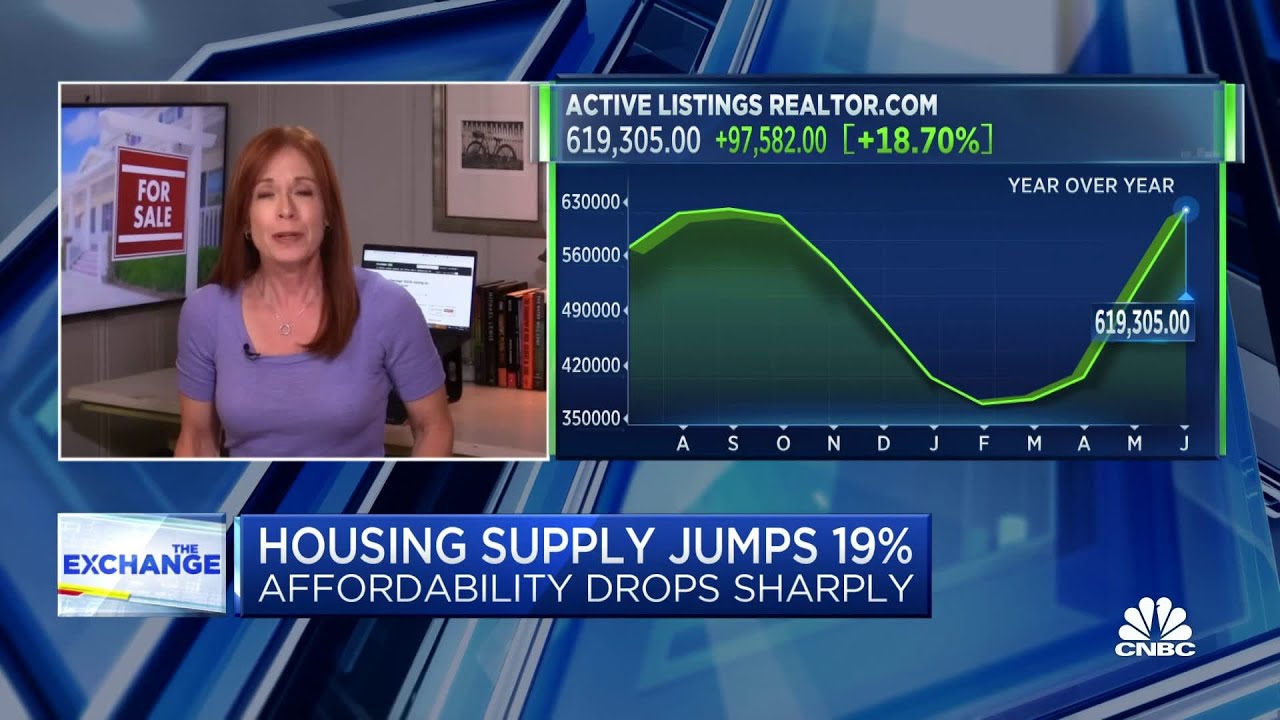

Housing Supply Jumps 19%: A Shift in the Real Estate Landscape
In recent months, the housing market has experienced a significant shift, as new data reveals that housing supply has surged by 19%. This notable increase comes amid a backdrop of fluctuating interest rates, changing buyer preferences, and evolving economic conditions. The implications of this rise are vast and multifaceted, affecting buyers, sellers, investors, and the broader economy.
Understanding the Surge
The 19% increase in housing supply can be attributed to several factors. Firstly, many homeowners who had previously opted to hold onto their properties during the pandemic are now entering the market. With the uncertainty of the COVID-19 pandemic subsiding, more sellers are capitalizing on rising home prices and favorable market conditions to list their homes.
Secondly, the construction sector is rebounding from pandemic-related disruptions. Builders are now ramping up production, addressing the significant housing shortage that has plagued many regions. With increased raw material availability and clearer supply chains, developers are able to focus on delivering the inventory needed to meet demand.
Additionally, some regions are witnessing a shift in buyer sentiment. As remote work becomes increasingly normalized, many individuals are seeking larger homes in suburban or rural areas, prompting a greater turnover in existing properties. This trend is further fueled by attractive mortgage rates in certain cases, allowing buyers to enter the market despite economic uncertainties.
Impact on Buyers
For prospective homebuyers, the increase in housing supply presents both opportunities and challenges. On one hand, a more ample inventory can alleviate some of the pressure from bidding wars that have become commonplace in recent years. Buyers may find more options to choose from, leading to favorable negotiation conditions that can ultimately result in better purchase prices.
On the other hand, while the increase in supply may put some downward pressure on prices, the overall cost of homeownership is influenced by various factors, including interest rates and market demand. If interest rates rise, as some economists predict, the affordability of homes could still diminish despite an increase in inventory.
Effects on Sellers and Investors
For sellers, the increase in housing supply may lead to more competition. Homeowners looking to sell may need to be more strategic in terms of pricing and marketing their properties to ensure a timely sale. Properties that are well-maintained and priced appropriately are likely to stand out in a more crowded market.
Investors, particularly those focused on rental properties, may also feel the effects of this supply increase. A more saturated market could impact rental prices, potentially leading to reduced yields on investment properties. However, regions experiencing population growth may continue to see strong demand for rentals, balancing out the effects of increased supply.
Future Outlook
As we move forward into the latter half of the year, experts agree that the housing market will continue to evolve. The structural changes brought about by the pandemic—such as remote work and migration patterns—are likely to have lasting impacts on demand and supply dynamics.
Overall, while the 19% jump in housing supply signifies a turning point for the real estate market, various factors will dictate how this increase plays out. For now, buyers and sellers alike must remain informed and adaptive, embracing the opportunities and challenges that come with an evolving housing landscape.
Conclusion
The recent surge in housing supply has introduced a new chapter in the real estate narrative, one marked by increased options for buyers and shifting strategies for sellers. As the market continues to adapt to changing economic realities, stakeholders must stay vigilant, informed, and flexible to navigate this dynamic landscape effectively. The coming months will be telling as the market finds a new equilibrium in response to these significant changes.
BREAKING: Recession News
REVEALED: Best Investment During Inflation
HOW TO INVEST IN GOLD: Gold IRA Investing




As long as rents are high, people will always look to buy a house. Maybe people will go through their whole lives with roommates.
Breaking news… VA beach is now located in the Appalachian mountains.