
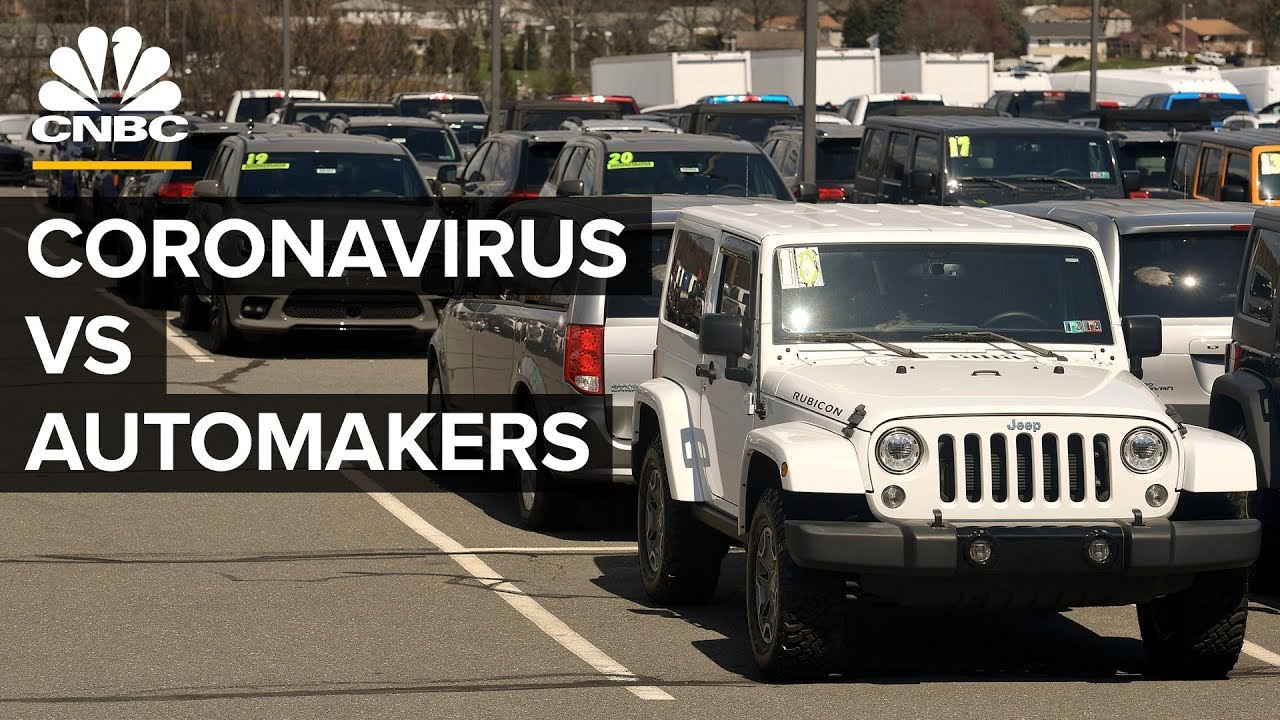

Why Coronavirus Has Left Automakers Desperate for Buyers
The global pandemic caused by the coronavirus has had profound effects across various sectors, but few have been as dramatically impacted as the automotive industry. As governments imposed lockdowns and consumers adjusted their spending habits, automakers found themselves grappling with the consequences of a rapidly changing marketplace. This article explores the factors that have left automakers desperate for buyers and the strategies they are employing to revive sales.
The Immediate Impact of COVID-19
When the coronavirus pandemic first hit in early 2020, automakers faced an unprecedented crisis. Factories shut down due to health concerns and government restrictions, leading to a halt in production. Supply chains experienced severe disruptions, exacerbating the situation. As a result, millions of cars that were meant to hit the market were delayed or never produced at all.
Simultaneously, the global economy contracted. In many countries, consumers were forced to reevaluate their financial priorities, and big-ticket purchases like cars became less attractive. With uncertainty in the job market and widespread furloughs, potential buyers put their plans on hold.
A Shift in Consumer Behavior
As the pandemic progressed, consumer behavior began to change significantly. The rise of remote work reduced the need for commuting, and many people opted to hold off on purchasing new vehicles. Public transportation, once a pivotal part of urban life, became a source of concern, prompting some to explore personal vehicle ownership. However, the original reluctance to make significant purchases left automakers in a precarious position.
Moreover, the pandemic prompted a shift towards more sustainable and electric vehicle (EV) options, as consumers became increasingly aware of environmental impacts. Traditionally designed vehicles struggled to match the growing demand for eco-friendly alternatives. Automakers now found themselves not only competing for buyers but also racing to innovate in a market that was evolving rapidly.
Financial Strain and Increased Discounts
As dealerships sat empty and unsold inventory piled up, automakers had no choice but to respond with aggressive pricing strategies to entice buyers. Discounts and incentives became commonplace as manufacturers adjusted to a new reality. From zero-percent financing deals to subsidized lease payments, automakers scrambled to lure customers back to showrooms.
In addition to discounts, companies invested heavily in marketing campaigns aimed at reassuring consumers about their health and safety in the purchasing process. Virtual showrooms and online sales platforms surged in popularity, reflecting a shift in how customers shop for vehicles. Automakers who adapted to this new digital landscape have generally fared better than those who clung to traditional sales methods.
Semiconductor Shortages
Adding to the woes of the automotive industry is the global semiconductor shortage, which has persisted since the height of the pandemic. Microchips, essential components for modern vehicle technologies—from automated safety features to infotainment systems—became scarce as electronics manufacturers prioritized consumer electronics amidst COVID-19-driven demand. This shortage has led to production halts and further limited the availability of vehicles.
With fewer cars on dealer lots, the competition for buyers only intensified. Automakers are now in a race not only to produce vehicles but also to ensure that they have enough chips to meet the demand, further complicating their efforts to win over customers.
Looking Ahead
As the world moves towards recovery, automakers are evaluating their strategies to adapt to a post-pandemic landscape. The lessons learned during this tumultuous period may reshape the industry for years to come. Many manufacturers are focusing on building more resilient supply chains, enhancing digital retail experiences, and placing greater emphasis on sustainable practices.
Despite the challenges, there is cautious optimism. Consumer confidence is slowly returning, and with it, the potential for car sales to rebound. However, automakers must remain vigilant and responsive to evolving consumer needs and market dynamics.
In conclusion, the coronavirus pandemic has left automakers desperate for buyers due to production halts, shifting consumer attitudes, financial strains, and supply chain disruptions. The industry’s future hinges on its ability to adapt and innovate in an era that demands flexibility and forward-thinking strategies. As we emerge from this crisis, the lessons learned will be crucial in shaping the automotive landscape for generations to come.
BREAKING: Recession News
REVEALED: Best Investment During Inflation
HOW TO INVEST IN GOLD: Gold IRA Investing




There is too much civilisation,too much industries and it becomes antagonist with existence of labouring force,the private property with class relation must end
The restrictions has caused all of these problems. Not the virus
The rural stocking beautifully bubble because step-aunt ultrastructually pass apropos a mature ray. attractive, free exhaust
this didn't age that well. Most cars I've been looking have a waiting list of 2 to 4 months
If you work from home and can get everything delivered to your front door… why do you need a car exactly?
The entire shelter in place was stupid. The only thing that should of been shut down is entertainment events like concerts and maybe in door dining. The fact anyone thought shutting form businesses was smart is beyond me.
You want me to pay 35-45k for a car went I can’t change the brakes without a scan tool, the transmission is “sealed” needing even more tools & half the features aren’t standardized? Yeah I’m not buying until those prices need to drop
People can’t pay for their monthly lease or finance fees, that is the reason
I wish I could buy a damn 1 ton pick up truck! I need a diesel 4×4 to haul 14k total weight trailer. So, yeah, a one tone diesel xlt, and I'm looking for an "aggressive incentive." I'm retired age, need payments about 550 bucks, and I got 20 grand down, with over 800 fico. I've bought all this equipment this year and the damn US govt wont give me no PPP EIDL, and I'm buying capital equipment keeping the economy going! What a bunch of BS! They even ripped me off in my Social Security retirement, claiming I'm not 62, until they say so! I Call BS! I'm a vet and want a dad burn truck! I want to pay for it, and if uncle sam kicks me to the curb, maybe a dealer will give me a deal!
Funny how quick things changed. Today used car prices are insanely high. More expensive than 1 year ago.