
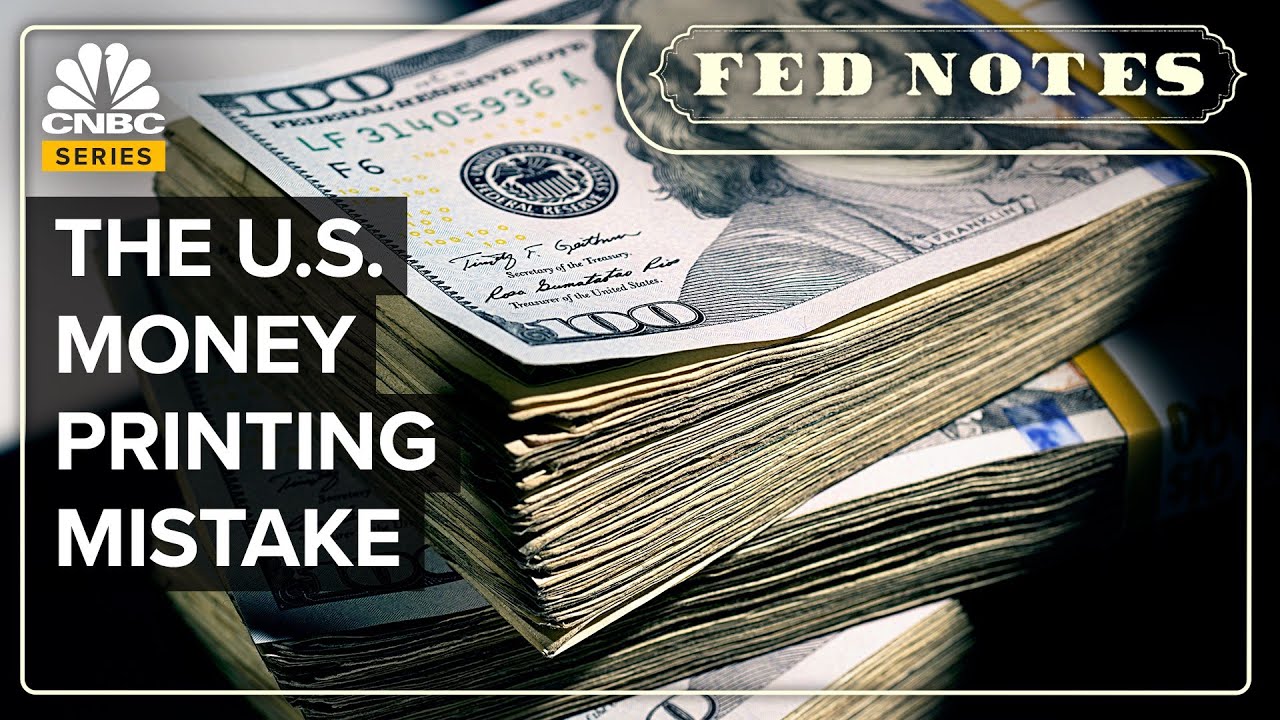

How the U.S. Made Inflation Worse
Inflation has emerged as a pressing concern in recent years, impacting consumers and businesses alike. While inflation may sometimes be the result of global economic trends, specific policy decisions and economic strategies employed by the U.S. government have arguably exacerbated the situation. Understanding the interplay of these factors can provide valuable insights into the inflationary dynamics currently affecting the nation.
1. Pandemic Response and Fiscal Stimulus
The COVID-19 pandemic prompted a swift and unprecedented response from the U.S. government. To mitigate the economic fallout, Congress enacted several relief packages, the most notable being the $2.2 trillion CARES Act in March 2020, followed by subsequent stimulus bills. While these measures were vital in providing immediate support to individuals and businesses, they also increased the money supply significantly.
Enhanced unemployment benefits, direct stimulus checks, and small business loans flooded the economy with liquidity. This surge in disposable income, combined with the supply chain disruptions caused by the pandemic, created a classic scenario for inflation to take hold—too much money chasing too few goods.
2. Supply Chain Disruptions
The pandemic not only stimulated demand but also led to severe disruptions in global supply chains. Lockdowns and restrictions hampered production capacities and logistics, resulting in shortages of raw materials and finished goods. U.S. reliance on global supply chains, particularly for essential items such as semiconductors and pharmaceuticals, became apparent.
The combination of increased demand from fiscal stimulus and constrained supply resulted in higher prices. The challenges have been compounded by factors such as labor shortages, which further affected production capabilities and logistics.
3. Monetary Policy Decisions
In response to the economic turmoil, the Federal Reserve took significant steps to support the economy. Interest rates were slashed to near-zero levels and asset purchase programs were expanded. While these measures supported economic growth and encouraged borrowing, they also contributed to the mounting pressures of inflation.
Low-interest rates incentivized consumers and businesses to borrow and spend more, adding extra fuel to the inflationary fire. Additionally, the Fed’s extensive buying of government securities and mortgage-backed assets injected vast amounts of money into the economy, leading to rising asset prices—an inflationary trend that can manifest in various sectors beyond consumer goods.
4. Labor Market Dynamics
The U.S. labor market has faced its own unique challenges, further exacerbating inflationary pressures. As businesses reopened, they struggled to find workers due to lingering fears of the virus, shifts in worker preferences, and competing offers. Wages began to rise as employers offered more attractive compensation packages to attract talent.
While higher wages can empower households to spend, they also increase labor costs for businesses, which may pass those costs onto consumers. This dynamic creates a cyclical effect—the rise in wages and subsequently higher prices can perpetuate inflationary trends.
5. Geopolitical Factors
In addition to domestic policies, external factors have played a role in inflationary pressures in the U.S. The Russian invasion of Ukraine in early 2022 led to significant disruptions in oil and grain markets, driving up energy and food prices worldwide. The geopolitical landscape has forced the U.S. to navigate an increasingly volatile environment, further complicating its economic recovery efforts.
Conclusion
While inflation is a multifaceted phenomenon influenced by various global and domestic factors, the actions taken by the U.S. government during the pandemic have been significant contributors to the current inflationary landscape. The interplay of fiscal stimulus, monetary policy, labor market dynamics, and geopolitical challenges created an environment ripe for inflation.
Moving forward, both policymakers and consumers must adapt to the realities of an inflationary economy. Understanding the root causes can help in formulating effective strategies to mitigate its impacts, ensuring a balance between supporting growth and maintaining price stability. The lessons learned from this period will be crucial for navigating future economic challenges.
LEARN ABOUT: Investing During Inflation
REVEALED: Best Investment During Inflation
HOW TO INVEST IN GOLD: Gold IRA Investing
HOW TO INVEST IN SILVER: Silver IRA Investing




Given the persisting global economic crisis, it's essential for individuals to focus on diversifying their income streams independent of governmental reliance. This involves exploring options such as stocks, gold, silver, and digital currencies. Despite the adversity in the economy, now is an opportune moment to contemplate these investment avenues.