
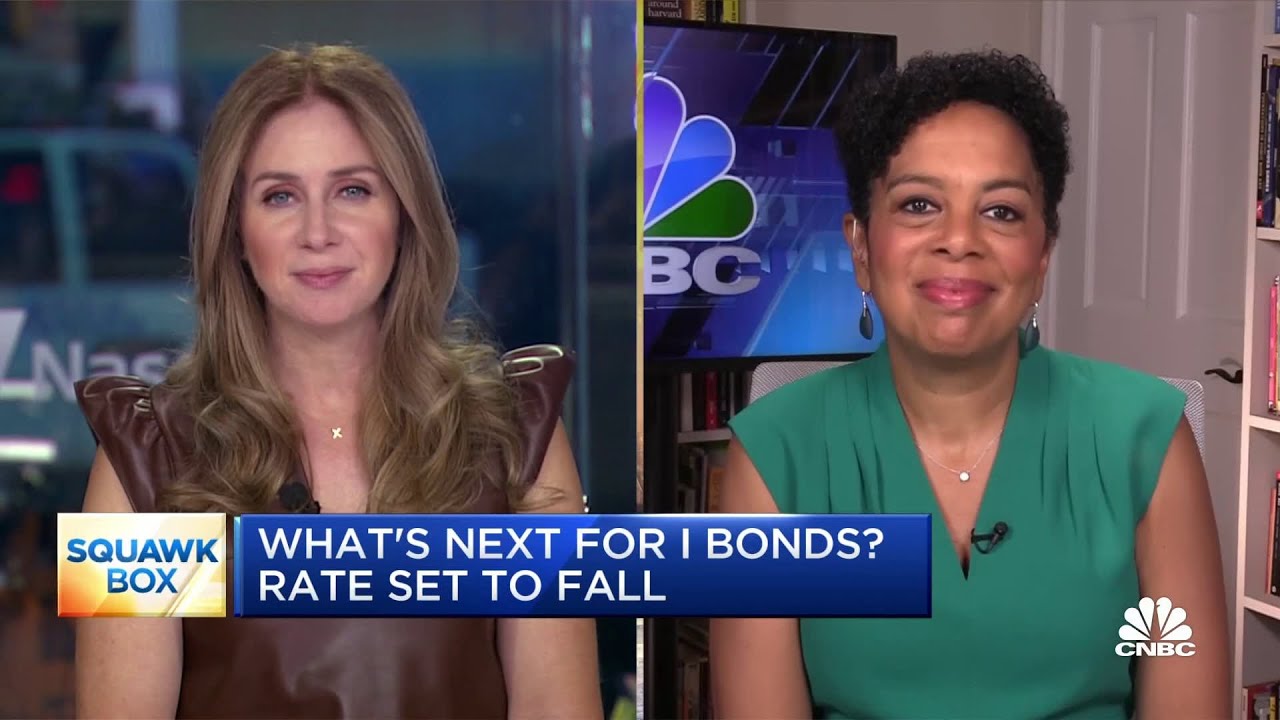

I Bonds vs. TIPS: Getting the Most Bang for Your Buck
When it comes to preserving and growing wealth in an inflationary economy, investors often seek options that can safeguard their purchasing power. Two popular choices for this purpose are U.S. Series I Savings Bonds (commonly known as I Bonds) and Treasury Inflation-Protected Securities (TIPS). Each of these financial instruments has its own unique features, benefits, and drawbacks. Understanding these elements can help investors make a more informed decision about where to allocate their hard-earned money.
Understanding I Bonds
I Bonds are a type of U.S. savings bond designed to protect against inflation. They are issued by the Department of the Treasury and are favored for their simplicity and low risk.
Key Features:
-
Interest Rates: I Bonds earn a composite interest rate that combines a fixed rate (which remains constant for the life of the bond) and a semiannual inflation rate that adjusts with the Consumer Price Index for All Urban Consumers (CPI-U).
-
Tax Advantages: The interest earned on I Bonds is exempt from state and local income taxes. Additionally, federal tax can be deferred until the bond is cashed in or reaches maturity.
-
Purchase Limits: Individuals can purchase up to $10,000 in I Bonds electronically and an additional $5,000 in paper bonds using their federal tax refund, per year.
-
Liquidity and Redemption: I Bonds must be held for at least 12 months, and if cashed within the first five years, there is a penalty of forfeiting the last three months of interest.
- Safety: As a government-issued product, I Bonds offer full backing by the U.S. Treasury, making them a virtually risk-free investment.
Understanding TIPS
TIPS are also issued by the U.S. Treasury, but they are structured differently. They are marketable securities designed to provide investors with protection against inflation.
Key Features:
-
Principal Adjustment: The principal value of TIPS increases with inflation and decreases with deflation, as measured by the CPI. This ensures that the bond’s value retains its purchasing power over time.
-
Fixed Interest Rate: TIPS pay a fixed interest rate, which is applied to the adjusted principal. Therefore, while the interest rate remains unchanged, the actual interest payments fluctuate based on the changing principal.
-
Tax Considerations: Although TIPS interest income is exempt from state and local taxes, the increase in the bond’s principal due to inflation is subject to federal income tax each year, which may affect your overall return in a high-inflation environment.
-
Marketability: TIPS can be traded on the secondary market, providing investors with added liquidity. This means they can be sold before maturity to access cash, albeit potentially at market risk.
- Investment Flexibility: TIPS are available in various maturities ranging from 5 to 30 years, allowing investors to choose the fixed income duration that best fits their financial goals.
Comparing the Two
Risk and Return:
- I Bonds typically offer a lower risk with stable and predictable returns, making them appealing for conservative investors.
- TIPS provide a variable return but are subject to market fluctuations, as their trade prices can change based on interest rate movements and inflation expectations.
Inflation Protection:
- Both options serve as reliable inflation hedges, but TIPS can offer more immediate adjustments to inflation, whereas I Bonds have a slightly less frequent inflation adjustment schedule.
Investment Horizon:
- I Bonds could be more suitable for individuals looking for a long-term, low-maintenance savings option, particularly for those who are risk-averse.
- TIPS might be ideal for investors seeking liquidity and the possibility of capitalizing on market opportunities.
Getting the Most Bang for Your Buck
To determine which option offers the best value for your investment, consider the following steps:
-
Evaluate Your Financial Goals: Consider your liquidity needs, investment horizon, and risk tolerance before making a decision.
-
Stay Informed About Economic Conditions: Monitor inflation rates, interest rates, and overall economic indicators that could impact the performance of both I Bonds and TIPS.
-
Diversification: Consider including both I Bonds and TIPS as part of a diversified investment portfolio. This strategy can balance the benefits of each investment type while providing a safeguard against inflation.
- Tax Implications: Consult with a tax advisor about the specific implications of investing in either I Bonds or TIPS, as individual situations can vary significantly.
Conclusion
Choosing between I Bonds and TIPS ultimately depends on your individual financial situation and investment goals. Both are excellent options for investors seeking to hedge against inflation and protect their purchasing power. By understanding the distinctive features, benefits, and potential drawbacks of each, you can make a more informed decision that aligns with your long-term financial aspirations. Whether you opt for the zero-risk comfort of I Bonds or the market flexibility offered by TIPS, both can play vital roles in a well-rounded investment portfolio.
LEARN MORE ABOUT: Treasury Inflation Protected Securities
REVEALED: Best Investment During Inflation
HOW TO INVEST IN GOLD: Gold IRA Investing
HOW TO INVEST IN SILVER: Silver IRA Investing




My life is totally changed because I've been earning $15,250 returns from my $4,000 investment with Mr. Morris
>>The market cycle still hasn't met its balance, we keep going round in circles while waiting for that bullish run on a great support. However, in the mean time we could always ignore the market ups and downs and stay fully invested. Big thanks to TERESA JENSEN WHITE for helping me earned over 17>btc by implementing her methods and following her guides