
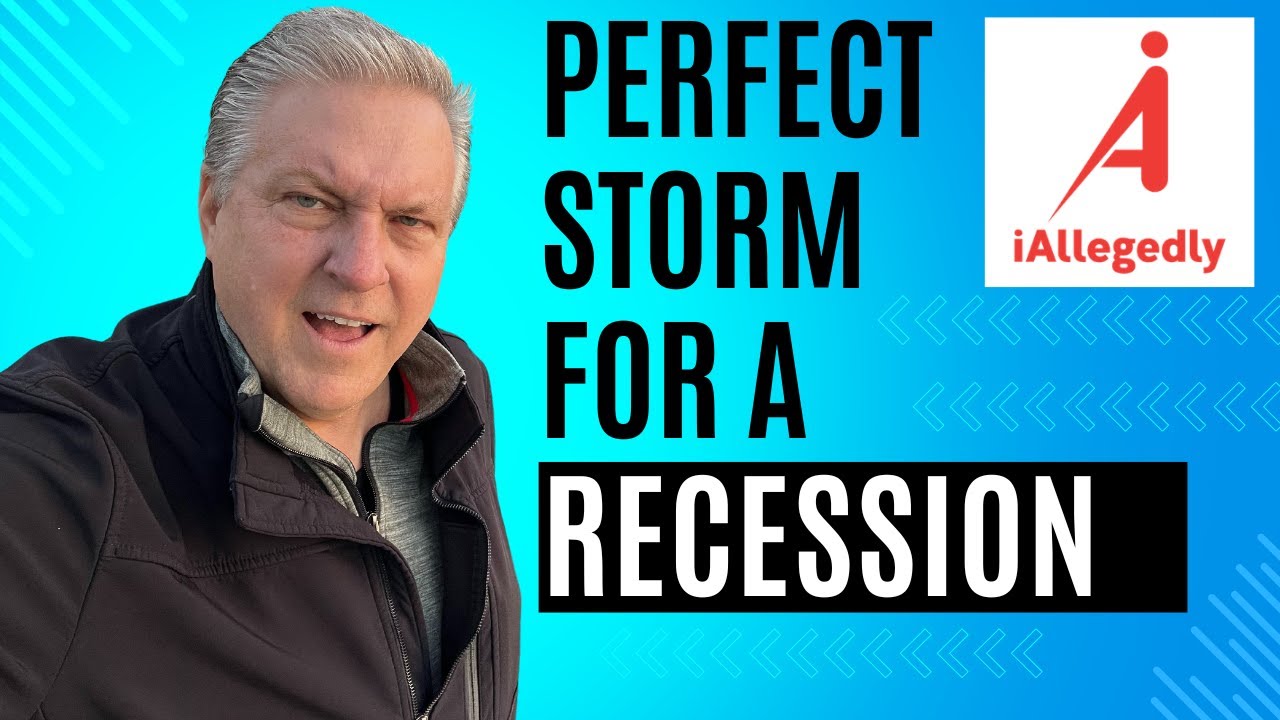

The Perfect Storm for a Recession: Understanding the Current Economic Landscape
As we navigate through the complexities of the global economy, signs of a potential recession loom larger on the horizon. The convergence of various economic indicators has created a situation that many economists are referring to as a "perfect storm" for a recession. This article explores the factors contributing to this precarious situation, what it might mean for individuals and businesses, and how we might prepare for the possibility of an economic downturn.
Key Factors Contributing to the Perfect Storm
-
Inflationary Pressures: Since the onset of the COVID-19 pandemic, many economies have experienced significant inflation due to supply chain disruptions, increased demand as economies reopened, and substantial government spending to stimulate recovery. High inflation erodes purchasing power, forcing consumers to cut back on spending—a critical component of economic growth.
-
Interest Rate Hikes: To combat persistent inflation, central banks, including the Federal Reserve in the United States, have implemented aggressive interest rate hikes. Higher borrowing costs can discourage consumer spending and business investments. This tightening of monetary policy is intended to stabilize prices, but it risks cooling economic growth and potentially leading to a recession.
-
Labor Market Fluctuations: While the job market initially rebounded strongly post-pandemic, recent signs of weakness have started to emerge. Layoffs in certain sectors, particularly in technology and finance, signal that companies may be preparing for lower consumer demand. A slowdown in hiring can lead to increased unemployment, further dampening economic activity.
-
Global Supply Chain Issues: The pandemic has exposed vulnerabilities in global supply chains. Recent geopolitical tensions, including the ongoing conflict in Ukraine and rising tensions in East Asia, continue to threaten supply chains. Disruptions not only lead to shortages of goods but also drive up prices, further exacerbating inflation and straining consumer confidence.
-
Consumer Confidence: As prices rise and the financial outlook becomes uncertain, consumer confidence tends to wane. When consumers are uncertain about their economic future, they are less likely to spend money—a tendency that can create a downward spiral for economic growth. Retail sales, particularly in discretionary sectors, are often the first areas to feel the effects of this shift in sentiment.
- Debt Levels: Both public and private debt levels have surged in recent years due to pandemic-related borrowing and spending. As interest rates rise, servicing these debts becomes more expensive. High levels of debt can limit fiscal flexibility for governments and constrain consumer spending, setting a fertile ground for an economic downturn.
Implications of a Recession
Should the perfect storm materialize into an actual recession, the implications would be widespread:
- Job Losses: A recession typically leads to increased unemployment as businesses cut costs by laying off workers or halting hiring.
- Reduced Lending: Stricter lending practices by banks can lead to decreased access to credit for consumers and businesses, compounding economic difficulties.
- Market Volatility: During a recession, financial markets often experience increased volatility, affecting investments and retirement savings for many individuals.
- Long-term Growth: Prolonged economic downturns can lead to reduced consumer spending, lower business revenues, and a general slowdown in economic growth, affecting recovery timelines.
Preparing for the Possibility of a Recession
While the economic landscape can seem daunting, there are steps that individuals and businesses can take to prepare for a potential recession:
-
Budgeting and Saving: Individuals should take a closer look at their personal finances. Creating a budget, minimizing unnecessary expenses, and building an emergency fund can provide a financial cushion during tough times.
-
Diversifying Investments: Investors may want to consider diversifying their portfolios to mitigate risks associated with market volatility. Shifting some assets into more stable investment options may provide better protection during economic downturns.
-
Strengthening Business Resilience: Businesses should focus on maintaining a healthy balance sheet, exploring cost efficiencies, and adapting to changing market conditions. Building strong customer relationships and agility in operations can help weather economic storms.
- Staying Informed: Keeping abreast of economic trends and potential policy changes can allow individuals and businesses to make informed decisions. Awareness of macroeconomic factors can help in anticipating market shifts.
Conclusion
While predicting the timing and severity of recessions is notoriously difficult, the current economic environment exhibits many traits that raise legitimate concerns. By understanding the contributing factors and preparing accordingly, individuals and businesses can better navigate the challenges that may lie ahead. A proactive approach may not only soften the blow of a recession but potentially position one for recovery when the economic tides eventually turn.
LEARN MORE ABOUT: Precious Metals IRAs
HOW TO INVEST IN GOLD: Gold IRA Investing
HOW TO INVEST IN SILVER: Silver IRA Investing
REVEALED: Best Investment During Inflation




It's sad how difficult things have become in this recessive economy. I was wondering how to utilize some money I had. I used some of it for e-commerce business, but that sank. I'm thinking of how to protect my $80K-worth stock portfolio from decline, but haven't figured which way to go.
I read about a man in his 50s that started investing in stocks and real estate, then retired in 2years with over $6million, that right there is my utmost goal and I'd really appreciate clues and tips on how to reach this goal within 5years