
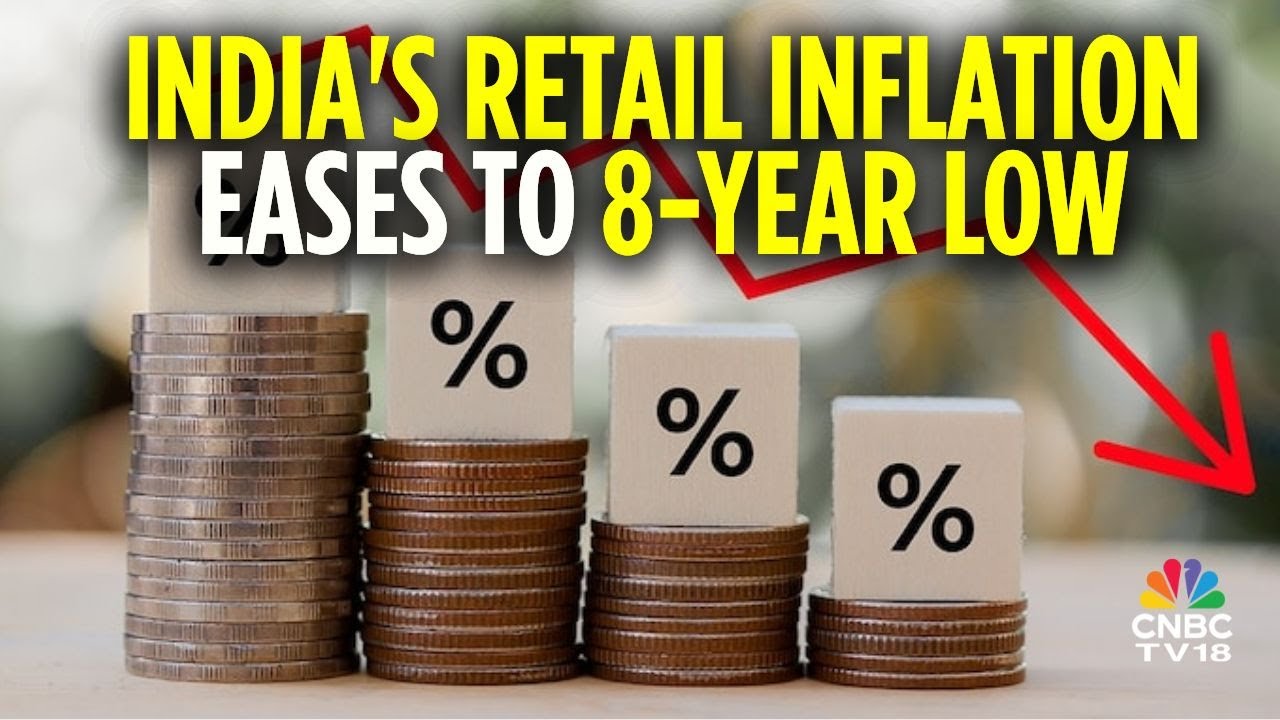

India’s CPI Plunges to 8-Year Low: Rate Cut Looms for the RBI
New Delhi, [Date] – India’s headline Consumer Price Index (CPI) inflation has plummeted to a stunning 1.54% in September 2025, according to official data released today. This marks an eight-year low, significantly underscoring previous estimates and sparking intense debate among economists and policymakers regarding the Reserve Bank of India’s (RBI) monetary policy stance.
The dramatic drop in inflation is primarily attributed to a confluence of factors, including:
- Falling Global Commodity Prices: A continued downturn in global oil and agricultural commodity prices has translated into lower input costs for domestic industries.
- Robust Agricultural Output: A series of favorable monsoons and successful government initiatives have boosted agricultural production, leading to a surplus of food grains and suppressed food inflation.
- Weak Domestic Demand: Lingering concerns about global economic growth and its impact on the Indian economy have dampened consumer spending and investment, further contributing to disinflationary pressures.
Impact on RBI and Future Monetary Policy:
The CPI reading, significantly below the RBI’s comfort zone of 2-6%, presents a significant challenge for the central bank. For the past several quarters, the RBI has maintained a hawkish stance, prioritizing inflation control. However, the persistently low inflation, coupled with signs of slowing economic growth, has put immense pressure on the central bank to reconsider its policy.
“With inflation now comfortably below the target range and economic growth showing signs of deceleration, it will be increasingly difficult for the RBI to avoid a rate cut in the coming months,” said Dr. Anika Sharma, Chief Economist at Global Finance Research. “A rate cut would inject liquidity into the system, lower borrowing costs, and potentially stimulate investment and consumption.”
Arguments for and against a Rate Cut:
While the headline CPI figure seems to unequivocally point towards a rate cut, some analysts remain cautious. Concerns remain about the potential impact of a rate cut on:
- Rupee Exchange Rate: Lower interest rates could weaken the rupee against the US dollar, potentially fueling imported inflation.
- Future Inflationary Expectations: Some fear that a rate cut could prematurely raise inflationary expectations, undoing the gains achieved in recent years.
- Asset Bubbles: Lower interest rates could incentivize speculative investment in asset markets, potentially leading to bubbles.
However, proponents of a rate cut argue that the current inflationary environment is fundamentally different from previous episodes of high inflation. They believe that:
- Structural Factors: The deflationary pressures are driven by long-term structural factors, such as technological advancements and increased productivity.
- Global Slowdown: The global economic slowdown presents a more significant threat to India’s growth than a potential inflationary surge.
- Credibility of Monetary Policy: The RBI has successfully anchored inflationary expectations in recent years, giving it more room to maneuver.
The Road Ahead:
The RBI’s Monetary Policy Committee (MPC) is scheduled to meet in [Month, Year] to review the monetary policy stance. The latest CPI reading will undoubtedly be a central point of discussion. The committee will need to carefully weigh the risks and benefits of a rate cut, considering both the inflationary outlook and the growth prospects of the Indian economy.
Ultimately, the decision will depend on the MPC’s assessment of the sustainability of the low inflation trend and its tolerance for potential risks to financial stability. Regardless of the decision, the current economic environment presents a complex challenge for the RBI, requiring a nuanced and data-driven approach to monetary policy.
This dramatic shift in the Indian economic landscape highlights the dynamic nature of economic forecasting and the importance of continuous monitoring and adaptation by policymakers. The coming weeks will be crucial in determining the trajectory of India’s monetary policy and its impact on the overall economy.
LEARN MORE ABOUT: Investing During Inflation
REVEALED: Best Investment During Inflation
HOW TO INVEST IN GOLD: Gold IRA Investing
HOW TO INVEST IN SILVER: Silver IRA Investing




It is only because of reforms in GST.