
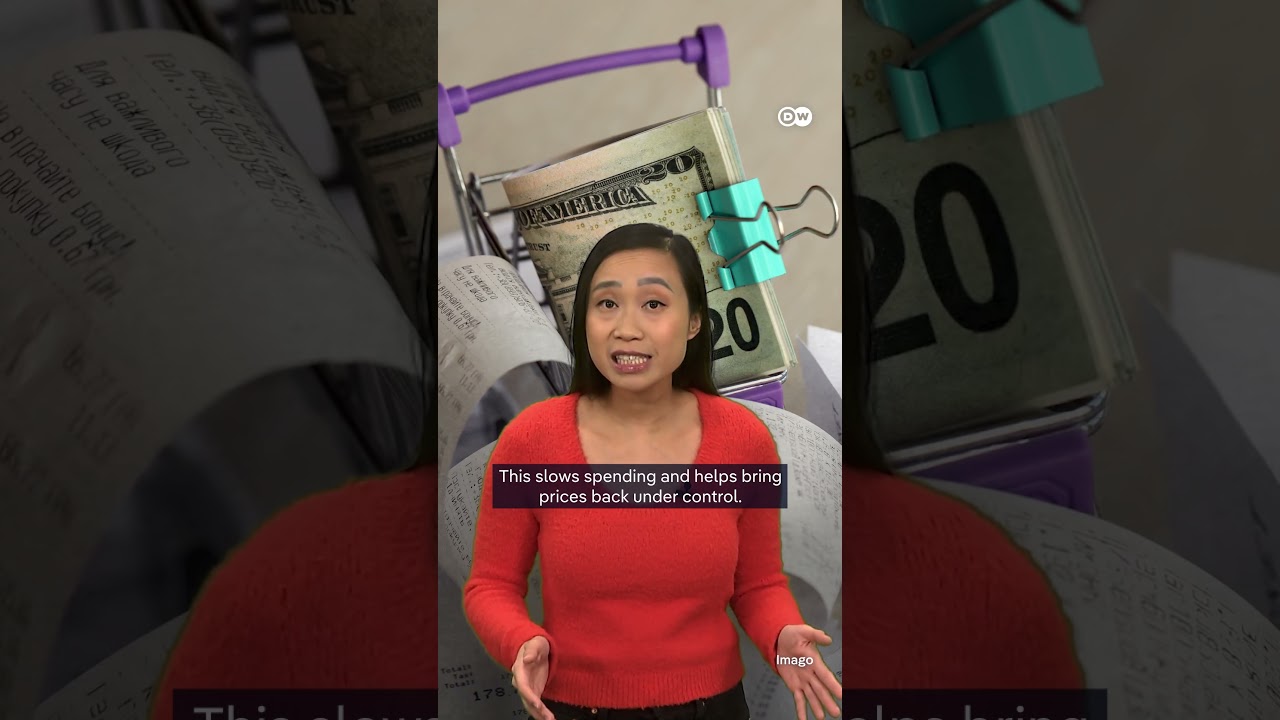

Inflation Explained: How Rising Prices Impact Your Wallet
Inflation is a word that’s been dominating headlines and conversations around kitchen tables lately. But what exactly is it, and how does it affect your daily spending? DW Business in English breaks down the basics of inflation and explains its impact on your wallet.
What is Inflation?
Simply put, inflation is the rate at which the general level of prices for goods and services is rising, and consequently, purchasing power is falling. This means that the same amount of money buys you less than it did before.
Think of it this way: if a loaf of bread cost €2 last year, and now it costs €2.20, that’s inflation in action. Your €2 can no longer buy you that loaf of bread.
Inflation is typically measured as a percentage increase over a specific period, usually a year. Different countries use different methods to calculate inflation, but they generally involve tracking the prices of a “basket” of goods and services representative of household consumption.
What Causes Inflation?
Several factors can contribute to inflation, including:
- Demand-Pull Inflation: When demand for goods and services exceeds the available supply, prices are driven upwards. This can happen when economies are booming, and people have more disposable income.
- Cost-Push Inflation: This occurs when the cost of production increases, such as rising wages or raw material prices. Businesses then pass these increased costs on to consumers in the form of higher prices.
- Increased Money Supply: If the money supply in an economy grows faster than the real output of goods and services, there is more money chasing the same amount of goods, leading to price increases.
- Supply Chain Disruptions: Events like pandemics, natural disasters, or geopolitical instability can disrupt supply chains, leading to shortages and higher prices.
How Does Inflation Affect Your Wallet?
The impact of inflation on your wallet can be significant and multifaceted:
- Reduced Purchasing Power: As mentioned earlier, your money simply doesn’t go as far. You can buy fewer goods and services with the same amount of money.
- Higher Cost of Living: Everyday expenses like groceries, gasoline, and energy bills increase, putting a strain on household budgets.
- Erosion of Savings: The value of your savings can be eroded by inflation. If the inflation rate is higher than the interest you’re earning on your savings, you’re effectively losing money.
- Increased Debt Burden: While inflation might seem to ease the burden of fixed-rate debt, such as mortgages, in the long run, it can also lead to higher interest rates, making borrowing more expensive.
- Impact on Investments: Inflation can affect investment returns. Some investments, like stocks, might offer protection against inflation, while others, like bonds with fixed interest rates, might underperform.
What Can You Do to Protect Your Wallet from Inflation?
While you can’t control inflation, you can take steps to mitigate its impact on your finances:
- Budgeting and Tracking Expenses: Understanding where your money is going allows you to identify areas where you can cut back and save.
- Investing in Inflation-Resistant Assets: Consider investments that tend to perform well during inflationary periods, such as real estate, commodities, or stocks in certain sectors.
- Negotiating Salaries and Wages: Advocate for higher compensation to keep pace with rising living costs.
- Shopping Smart: Compare prices, look for discounts, and consider buying generic brands to save money on everyday purchases.
- Paying Down Debt: Reducing your debt burden can provide more financial flexibility during inflationary times.
- Reassessing Your Financial Goals: Inflation may require you to adjust your financial goals and strategies to account for rising prices.
The Role of Central Banks
Central banks, like the European Central Bank (ECB) or the US Federal Reserve (Fed), play a crucial role in managing inflation. They typically use monetary policy tools, such as adjusting interest rates, to influence the money supply and curb inflation. Raising interest rates makes borrowing more expensive, which can help to cool down the economy and reduce demand.
Conclusion:
Inflation is a complex economic phenomenon that can significantly impact your financial well-being. Understanding its causes and effects is crucial for making informed decisions about your finances. By taking proactive steps to budget, save, invest, and manage your debt, you can better protect your wallet from the erosion of purchasing power caused by inflation. Stay informed about economic developments and consult with financial professionals for personalized advice.
LEARN MORE ABOUT: Investing During Inflation
REVEALED: Best Investment During Inflation
HOW TO INVEST IN GOLD: Gold IRA Investing
HOW TO INVEST IN SILVER: Silver IRA Investing




ouch..
Greed