
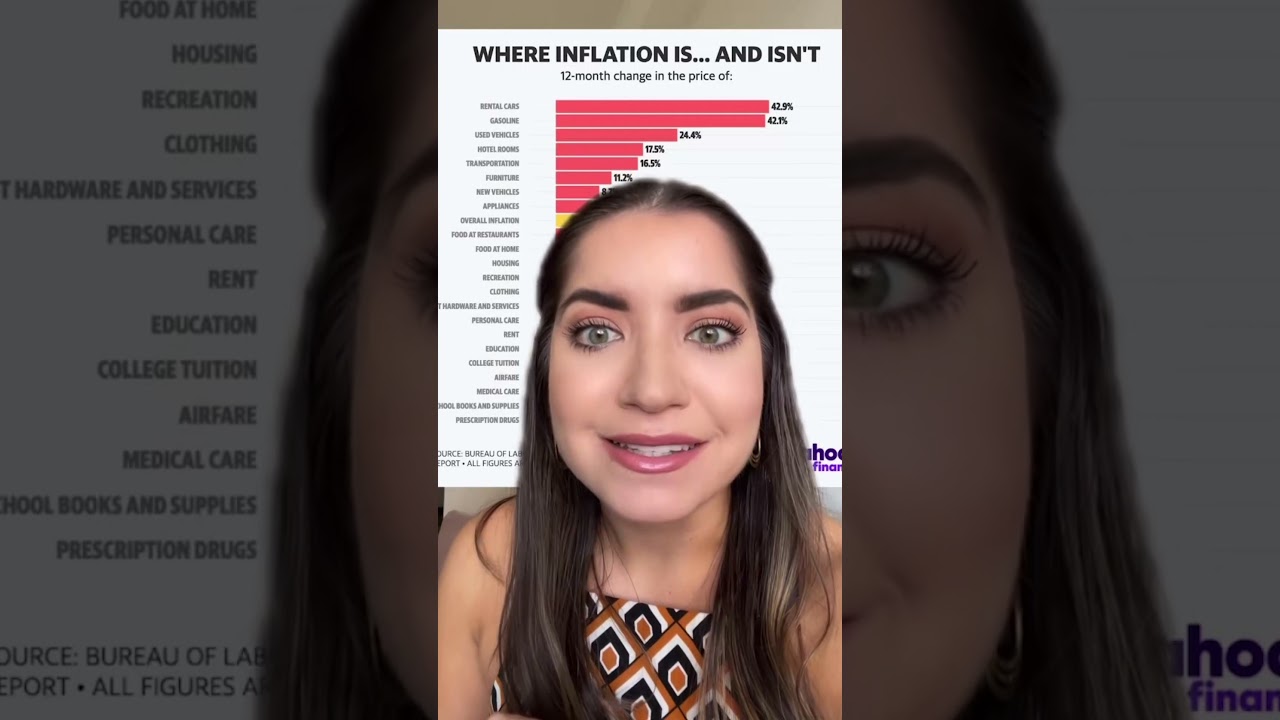

Inflation Bites: Consumers Feel the Squeeze of Higher Prices
Inflation. It’s a word that’s been dominating headlines and conversations around the dinner table for months. While economists and politicians debate its causes and potential solutions, one thing is clear: consumers are feeling the squeeze of higher prices every day. From filling up the gas tank to stocking the pantry, the cost of living is rising, forcing families to make difficult choices and re-evaluate their spending habits.
The impact of inflation is widespread, affecting nearly every aspect of daily life.
The Grocery Basket Pinch: A trip to the supermarket has become a financial undertaking. Prices for staples like eggs, milk, bread, and meat have soared. Consumers are responding by opting for cheaper alternatives, buying in bulk when possible, and cutting back on non-essential items. “I used to be able to feed my family a decent meal for $50,” says Sarah Miller, a mother of two from Ohio. “Now, that same meal costs closer to $80, and I’m constantly looking for ways to save.”
Gasoline Pain at the Pump: Perhaps the most visible symbol of inflation is the price of gasoline. Surging oil prices, geopolitical instability, and supply chain disruptions have contributed to record-high gas prices. This directly impacts transportation costs, not only for personal vehicles but also for businesses that rely on trucking and delivery services, further driving up prices for consumers.
Housing Costs Remain High: The housing market, already strained by low inventory, has been further impacted by rising interest rates and construction costs. Homebuyers face higher mortgage payments, while renters are seeing increased rental rates. The dream of homeownership is becoming increasingly unattainable for many, and even affording basic shelter is a struggle for some families.
Beyond the Essentials: Inflation isn’t just affecting the essentials. Discretionary spending, like dining out, entertainment, and vacations, is also taking a hit. As consumers prioritize paying for necessities, they are forced to cut back on leisure activities, impacting the businesses that rely on their patronage.
What’s Driving Inflation?
The causes of inflation are complex and multifaceted, but several key factors are contributing to the current situation:
- Supply Chain Disruptions: The COVID-19 pandemic caused significant disruptions to global supply chains, leading to shortages of goods and increased costs for manufacturers.
- Increased Demand: As economies reopened after lockdowns, demand for goods and services surged, outpacing supply in many sectors.
- Government Spending: Stimulus packages and other government spending initiatives, while aimed at supporting the economy, have also contributed to increased demand.
- Geopolitical Instability: The war in Ukraine has exacerbated existing supply chain issues and driven up energy prices.
What Can Be Done?
Controlling inflation is a complex task that requires a multi-pronged approach. The Federal Reserve is raising interest rates to curb demand and slow down economic growth. Governments are also exploring measures to address supply chain bottlenecks and promote competition.
Coping with the Squeeze:
While policymakers work to address the underlying causes of inflation, consumers are left to navigate the immediate challenges. Here are some strategies for coping with higher prices:
- Budgeting and Tracking Expenses: Knowing where your money is going is the first step towards managing your finances effectively.
- Finding Deals and Discounts: Take advantage of sales, coupons, and loyalty programs.
- Cutting Non-Essential Spending: Identify areas where you can reduce spending without sacrificing your quality of life.
- Exploring Cheaper Alternatives: Consider generic brands, buying in bulk, or cooking at home more often.
- Negotiating Bills: Contact service providers to negotiate lower rates for utilities, internet, and other recurring expenses.
Inflation is a significant challenge for consumers, but by understanding its causes and implementing practical strategies, individuals and families can navigate these difficult economic times and protect their financial well-being. The hope is that these price pressures will eventually ease, but in the meantime, careful budgeting and smart spending are crucial for surviving the inflationary squeeze.
LEARN MORE ABOUT: Investing During Inflation
REVEALED: Best Investment During Inflation
HOW TO INVEST IN GOLD: Gold IRA Investing
HOW TO INVEST IN SILVER: Silver IRA Investing




This isn't why. All you are doing is explaining the what.
I'm 28 and get government and state benefits and I don't have to work right now. I voted for Joe and loving it.
Who can fill a car for $40! I have a 98L tank @ $1.40 CAD per Liter = $137.20 to fill!
So… you're saying sell everything you can and buy bitcoin…. cash is trash…
That's true most people today have been having a lot of failures in forex and crypto sector because of poor orientation and bad experts
You can budget these ** to go in your *** sexy
Brandon is doing an amazing job, that's why!
Yay! Let's go Brandon!
Bro gas was 100 a barrel in 2013 but no one complained of inflation back then
The real question is . What caused the inflation ? Care to answer
I could have gotten that explanation from my five year old.
Inflation = more $'s in the system, devaluing yours.
Shrinkflation = Same price, package contains less.
Keep feeling it sheeple . U pay taxs to put politicians in mansion and voted for biden . Enjoy the the decline