
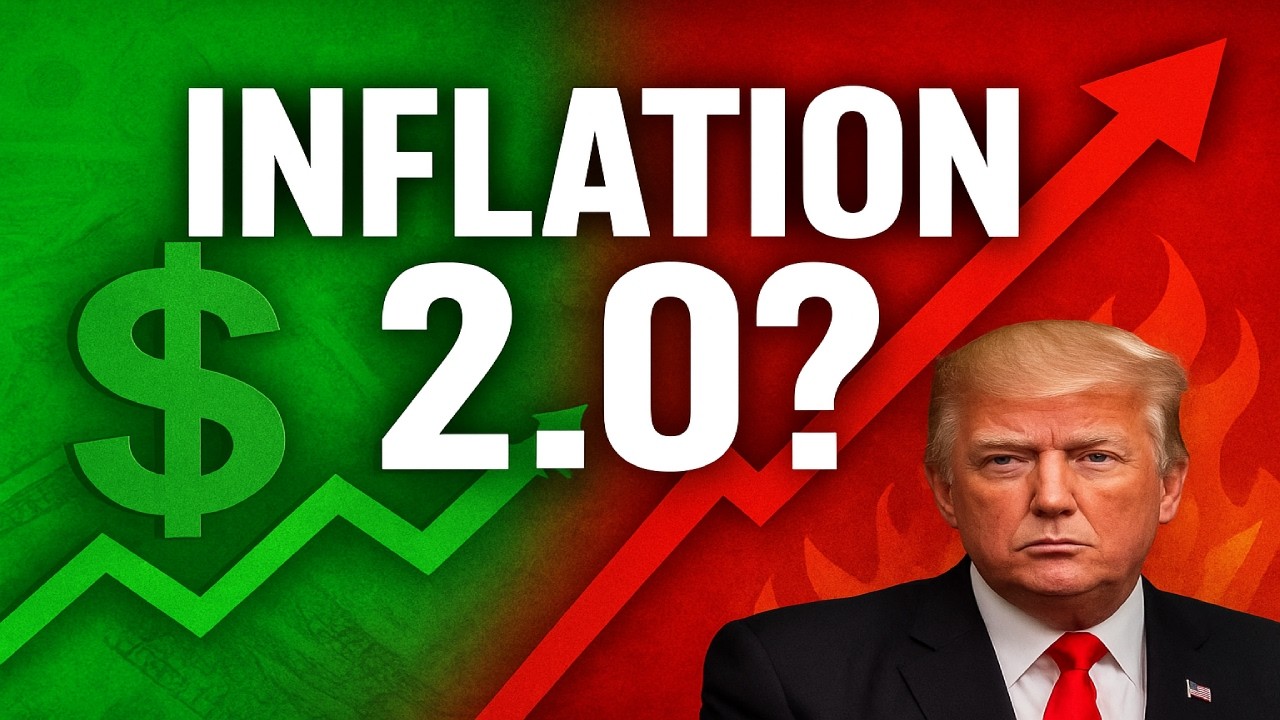

Inflation 2.0? The Fed, M2 & Trump’s $2,000 Plan Are Back! 💥
Inflation has been a persistent thorn in the side of the global economy for the past few years, and after a period of cooling, some analysts are raising concerns about a potential “Inflation 2.0.” Several factors are fueling these worries, including the Federal Reserve’s ongoing battle, the resurgence of monetary supply (M2), and the potential re-emergence of policies reminiscent of Trump’s stimulus measures, like the $2,000 checks. Let’s dive into the drivers behind this growing concern.
The Fed’s Tightrope Walk:
The Federal Reserve’s aggressive interest rate hikes were instrumental in bringing inflation down from its peak. However, raising rates too high risks triggering a recession. Now, the Fed is walking a tightrope, trying to maintain its fight against inflation without pushing the economy into a deep downturn. While recent data suggests inflation is moderating, it remains stubbornly above the Fed’s 2% target.
This leaves the Fed in a difficult position. Continuing to raise rates could stifle economic growth, but pausing or pivoting too soon could reignite inflationary pressures. The market’s reaction to the Fed’s decisions will be critical in determining the direction of inflation.
M2 Money Supply: The Sleeping Giant Awakens?
For months, economists pointed to the decline in M2 money supply (a measure of the money supply including cash, checking deposits, savings deposits, and money market funds) as a sign that inflation was cooling down. Historically, an increase in the money supply is linked to inflation, as more money chasing the same amount of goods and services drives up prices.
However, recently, M2 has shown signs of rebounding. This is worrying some economists who fear that this resurgence could reignite inflationary pressures, even if it’s not immediately apparent. The argument is that the excess liquidity could eventually find its way into the economy, fueling demand and driving prices higher.
The Trump Factor: Stimulus Deja Vu?
The possibility of a Trump return to the White House is also adding fuel to the “Inflation 2.0” fire. During his presidency, significant stimulus packages, including direct payments to individuals (like the proposed $2,000 checks), were implemented to bolster the economy. While these measures provided short-term relief, critics argue they also contributed to the inflationary pressures seen in recent years.
A potential return to similar policies under a new Trump administration raises concerns about a repeat performance. The prospect of further large-scale stimulus, coupled with potential tax cuts, could inject significant liquidity into the economy, potentially overriding the Fed’s efforts to control inflation.
The Potential Impact:
If Inflation 2.0 takes hold, the consequences could be significant:
- Eroded Purchasing Power: Consumers would see their purchasing power further eroded, as prices rise faster than wages.
- Increased Borrowing Costs: The Fed would likely be forced to raise interest rates further, making it more expensive to borrow money for mortgages, car loans, and business investments.
- Economic Uncertainty: High inflation creates uncertainty for businesses, making it difficult to plan for the future and potentially leading to reduced investment and hiring.
- Social Unrest: Persistent high inflation can lead to social unrest, as people struggle to afford basic necessities.
Looking Ahead:
The potential for “Inflation 2.0” is a serious concern, and the coming months will be crucial in determining whether these fears are justified. Investors and consumers alike should closely monitor:
- Federal Reserve policy decisions and communications: Pay attention to the Fed’s tone and actions regarding interest rates and quantitative tightening.
- M2 money supply data: Track the trend in M2 to see if the recent rebound continues.
- Political developments: Monitor the upcoming election cycle and the policy platforms of potential candidates, particularly regarding fiscal stimulus and tax cuts.
- Inflation indicators: Keep an eye on key inflation metrics, such as the Consumer Price Index (CPI) and the Producer Price Index (PPI), for signs of renewed upward pressure.
While it’s impossible to predict the future with certainty, understanding the factors contributing to the potential for “Inflation 2.0” can help individuals and businesses prepare for the challenges and opportunities that lie ahead. Staying informed and making informed decisions is crucial in navigating this complex economic landscape.
LEARN MORE ABOUT: Investing During Inflation
REVEALED: Best Investment During Inflation
HOW TO INVEST IN GOLD: Gold IRA Investing
HOW TO INVEST IN SILVER: Silver IRA Investing




Excellent information thank you
Very good information thanks fatal