
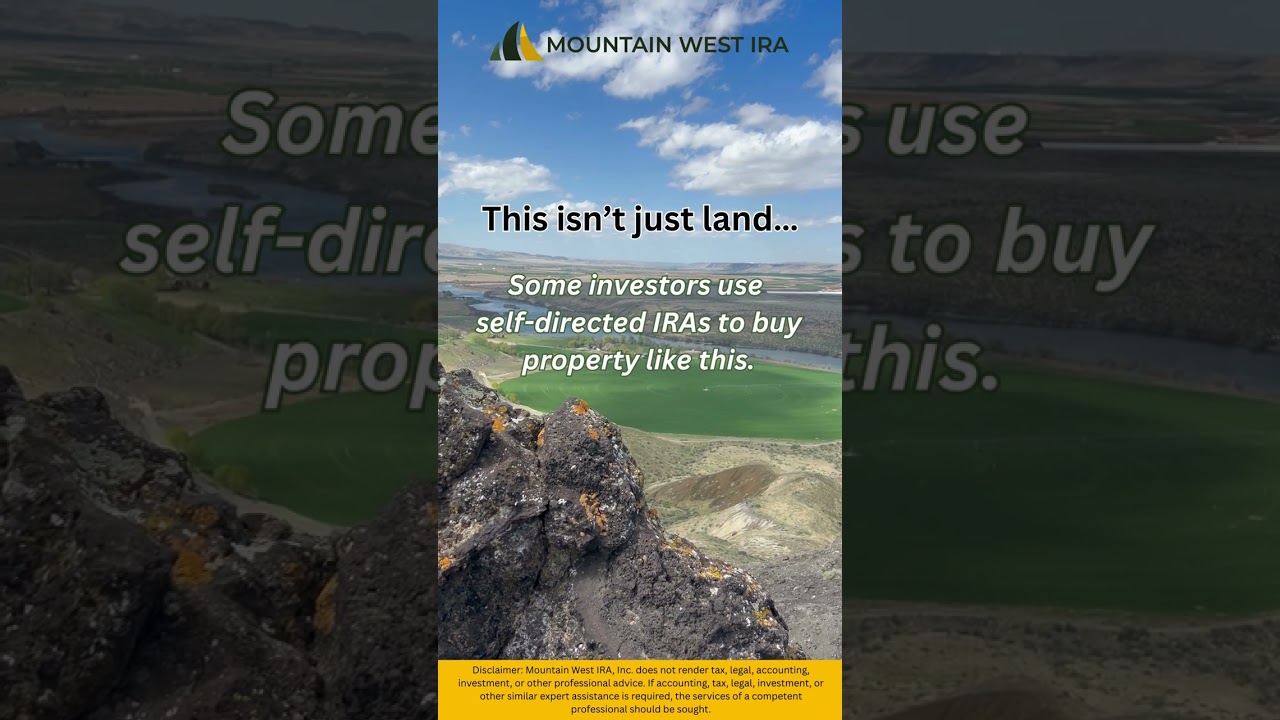

Investing in Real Estate Land through Your IRA: A Comprehensive Guide
As investors increasingly seek alternative ways to grow their retirement funds, real estate has emerged as an appealing option, particularly when it comes to land investments. By using a self-directed IRA (SDIRA), individuals can invest in real estate land while enjoying the tax benefits associated with their retirement accounts. This article delves into the potential benefits, considerations, and steps to take when investing in real estate land through your IRA.
Understanding Self-Directed IRAs
A Self-Directed IRA allows investors to have greater control over their investments beyond traditional stocks and bonds. With an SDIRA, you can invest in a variety of assets, including real estate, precious metals, and even private businesses. This flexibility opens up new avenues for wealth building within your retirement portfolio.
Key Benefits of Investing in Real Estate Land through an IRA
-
Tax Advantages: Real estate held in an SDIRA can grow tax-deferred (traditional IRA) or tax-free (Roth IRA). This means you won’t pay taxes on rental income or capital gains until you withdraw funds in retirement, allowing for potentially significant growth over time.
-
Diversification: Adding real estate land to your portfolio can provide a hedge against market volatility. Real estate often behaves differently than stocks and bonds, thereby offering greater diversification.
- Tangible Asset: Real estate is a physical asset that can provide potential appreciation, and land investments often come with lower maintenance costs than developed properties, making them attractive.
Considerations Before Investing
While there are significant benefits, it’s essential to be aware of the challenges and rules associated with investing in real estate through an IRA.
-
IRS Regulations: The IRS has strict rules governing what can be purchased within an SDIRA. You cannot buy a property for your personal use or purchase from family members, as these transactions are considered a prohibited transaction.
-
Liquidity Concerns: Real estate, including land, is not a liquid asset. If you need immediate access to funds, it may take time to sell the property and convert it back to cash.
- Due Diligence: Conduct thorough research before purchasing land. Consider factors such as location, zoning, and potential for future development to ensure your investment aligns with your long-term goals.
Steps to Invest in Real Estate Land through Your IRA
-
Choose the Right Custodian: Not all custodians facilitate SDIRAs. Research and select a custodian experienced in real estate investments, as they’ll help manage compliance with IRS regulations.
-
Fund Your SDIRA: You can transfer funds from an existing IRA or roll over funds from a 401(k) into your newly established SDIRA. Make sure to understand the contribution limits and rollover rules.
-
Identify the Property: Find the land you wish to invest in, analyzing it for potential appreciation, zoning regulations, and overall location desirability.
-
Make the Purchase: Once you have selected the land, your SDIRA custodian will handle the paperwork for the transaction. It’s important that the IRA officially holds the title to the property.
-
Manage the Investment: As the owner of the land through your IRA, you may need to cover costs such as property taxes and insurance, which cannot come from personal funds. These expenses must be paid out of your SDIRA.
- Plan for Exit: Whether you decide to sell the property for a profit or hold onto it for rental or development purposes, plan your exit strategy in alignment with your retirement goals.
Conclusion
Investing in real estate land through an IRA offers a unique opportunity to diversify your retirement portfolio while reaping the tax benefits associated with retirement accounts. However, it requires diligent research, adherence to IRS regulations, and careful financial planning. By following the outlined steps and considering the key benefits and challenges, you can make informed decisions that align with your retirement goals, potentially securing a stable financial future.
As always, consider consulting with financial advisors or tax professionals experienced in real estate investments within IRAs to tailor your strategy to your individual circumstances. With the right approach, investing in real estate land through your IRA could be a lucrative addition to your retirement portfolio.
LEARN MORE ABOUT: IRA Accounts
TRANSFER IRA TO GOLD: Gold IRA Account
TRANSFER IRA TO SILVER: Silver IRA Account
REVEALED: Best Gold Backed IRA




0 Comments