

Can You Really Buy Real Estate With Your IRA? Debunking the Myths and Exploring the Realities
Dreaming of using your IRA to invest in real estate? The thought of leveraging your retirement savings to acquire property, potentially generating rental income and long-term appreciation, is certainly enticing. But can you actually do it? The answer is yes, but with a significant caveat: it’s not as simple as withdrawing funds and buying a house.
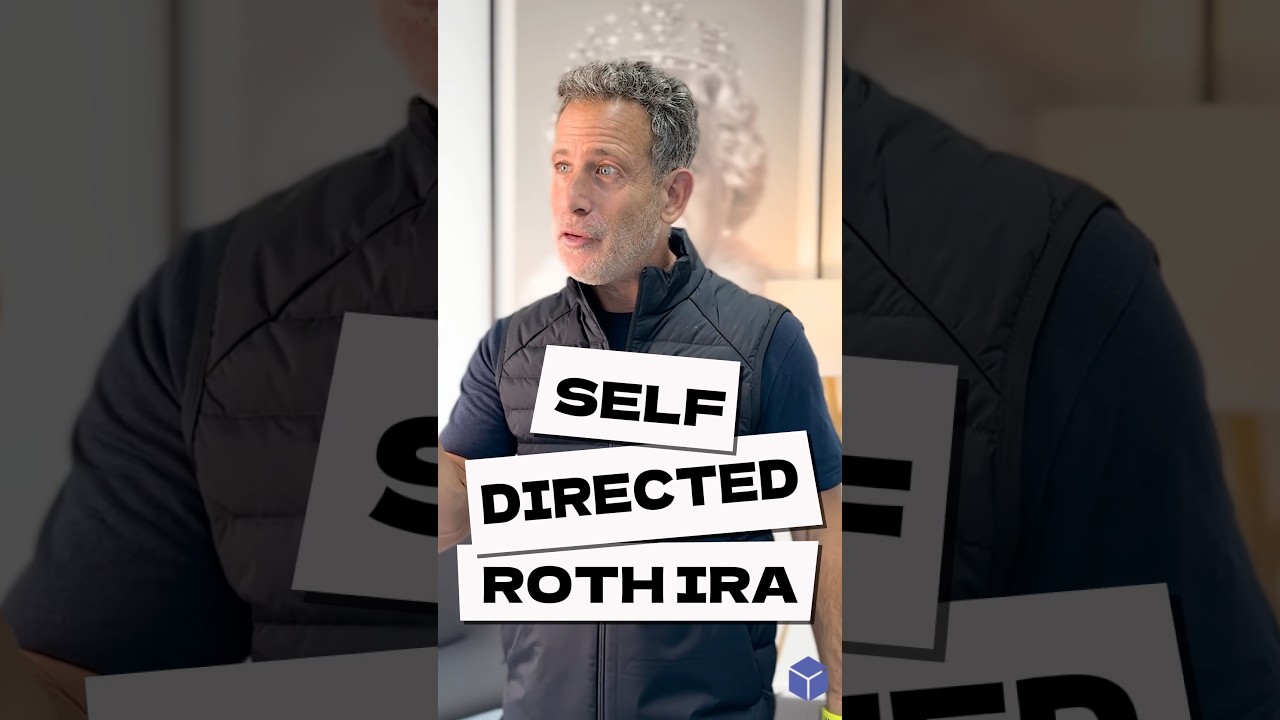
While directly purchasing real estate within a traditional IRA is generally prohibited, there’s a legal and IRS-approved method: the Self-Directed IRA. This type of IRA offers much broader investment options compared to conventional IRAs, extending beyond stocks, bonds, and mutual funds to include real estate, precious metals, and even private companies.
How Does a Self-Directed IRA Work for Real Estate?
The core principle is that the IRA, not you personally, owns the property. Here’s a breakdown:
- Establish a Self-Directed IRA: You’ll need to work with a custodian specializing in self-directed IRAs. These custodians have the expertise and infrastructure to handle the complexities of alternative investments like real estate.
- Fund the IRA: You can fund it through rollovers from existing retirement accounts (like a 401(k) or traditional IRA) or through regular contributions.
- Find and Purchase Property: Once funded, the IRA custodian will act on your instructions to purchase a property. All transactions must be made through the IRA account.
- Manage the Property: All income and expenses related to the property must flow directly in and out of the IRA. You, as the individual, cannot personally manage the property or receive any direct benefits from it.
- Maintain Compliance: Strict adherence to IRS rules is crucial. Any violation can result in the IRA being disqualified, turning your retirement savings into taxable income, plus penalties.
The Perks of Using a Self-Directed IRA for Real Estate:
- Tax-Deferred or Tax-Free Growth: Depending on whether you use a traditional or Roth Self-Directed IRA, any income and appreciation generated by the property can grow tax-deferred or tax-free.
- Diversification: Real estate can provide diversification to your retirement portfolio, potentially reducing overall risk.
- Potential for Higher Returns: Real estate investments may offer the potential for higher returns than traditional investments, especially in a strong rental market.
- Direct Control: You have more direct control over your investment decisions compared to investing in REITs or mutual funds.
The Challenges and Potential Pitfalls:
- Complexity: Self-directed IRAs are more complex than traditional IRAs. You need to understand the rules and regulations to avoid costly mistakes.
- Custodian Fees: Custodian fees for self-directed IRAs are typically higher due to the increased administrative burden.
- Limited Liquidity: Real estate is less liquid than stocks or bonds. Selling a property quickly can be challenging.
- “Disqualified Person” Rules: The IRS has strict rules about who can benefit from the property. You, your spouse, parents, grandparents, children, grandchildren, and their spouses are considered “disqualified persons” and cannot use the property for personal purposes (e.g., living in it, vacationing in it).
- Unrelated Business Taxable Income (UBTI): If the property generates income from a business (e.g., active trading, not passive rental income), the IRA may be subject to UBTI.
- Due Diligence: Thorough due diligence is crucial. You need to research the property, the market, and the legal aspects of the transaction.
Key Considerations Before Investing:
- Educate Yourself: Thoroughly understand the rules and regulations governing self-directed IRAs and real estate investments.
- Choose a Reputable Custodian: Select a custodian with experience in handling real estate within IRAs.
- Consult with Professionals: Seek advice from a qualified financial advisor, tax professional, and real estate attorney.
- Assess Your Risk Tolerance: Consider your comfort level with the inherent risks of real estate investments.
- Start Small: Consider starting with a smaller investment to gain experience and confidence.
The Bottom Line:
Investing in real estate with your IRA is possible through a self-directed IRA, but it’s not a simple endeavor. It requires careful planning, due diligence, and adherence to IRS rules. While the potential benefits, such as tax-advantaged growth and portfolio diversification, can be significant, the risks and complexities are equally important to consider. This option is best suited for sophisticated investors who are comfortable navigating the intricacies of self-directed IRAs and real estate. Before taking the plunge, make sure you do your homework and consult with qualified professionals to determine if this strategy aligns with your financial goals and risk tolerance.
LEARN MORE ABOUT: IRA Accounts
TRANSFER IRA TO GOLD: Gold IRA Account
TRANSFER IRA TO SILVER: Silver IRA Account
REVEALED: Best Gold Backed IRA




0 Comments