
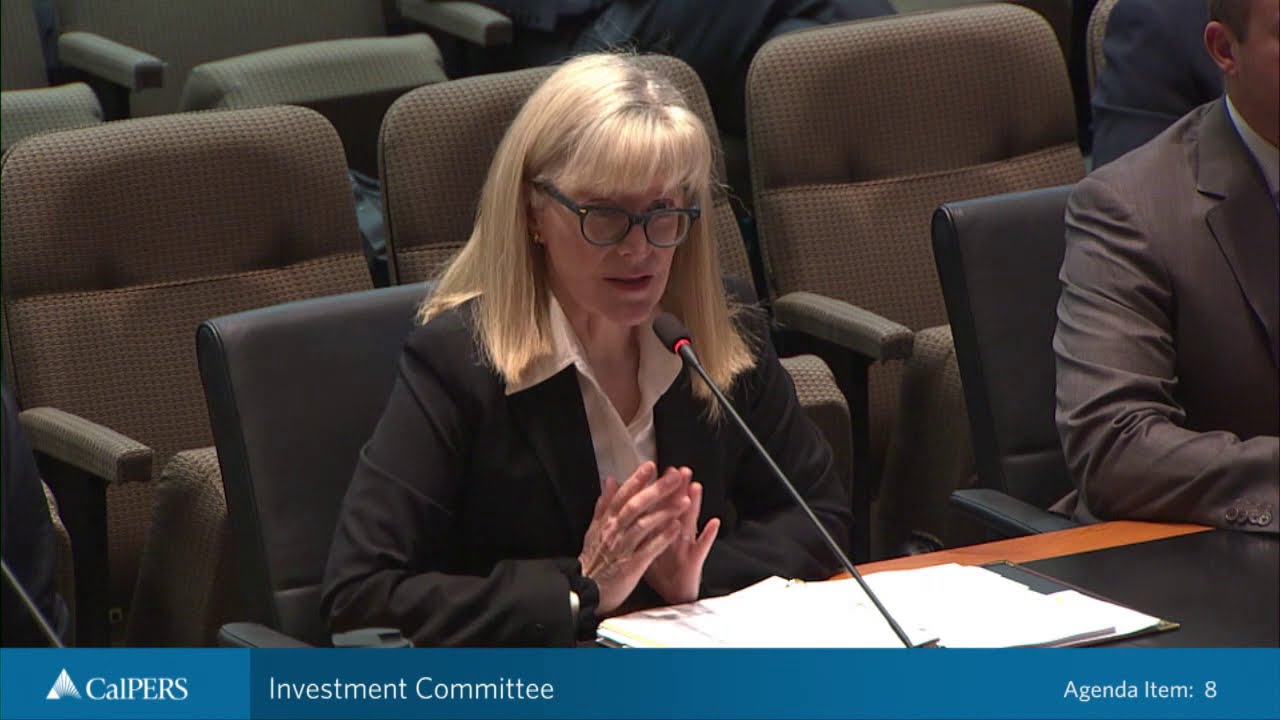

Investment Committee – Part 1 | November 18, 2019
In the intricate world of finance and investment management, the role of the Investment Committee (IC) stands as a crucial pillar for guiding the allocation of assets and the strategic direction of investment portfolios. On November 18, 2019, an assembly of seasoned professionals gathered to discuss critical developments, emerging trends, and strategic considerations within the investment landscape. This article delves into the key themes and insights from that meeting, outlining the foundational elements of an effective investment committee.
Understanding the Role of the Investment Committee
At its core, the Investment Committee is tasked with overseeing the overall investment strategy, ensuring alignment with the organization’s goals and risk tolerance. The committee is typically composed of diverse members, including financial analysts, portfolio managers, risk management professionals, and sometimes external advisors. This diversity fosters a holistic approach to decision-making as it draws on varied expertise and perspectives.
The primary responsibilities of the Investment Committee include:
-
Strategy Development: Crafting an investment strategy that aligns with the organization’s objectives, risk tolerance, and market conditions.
-
Performance Evaluation: Regularly assessing the performance of investment portfolios against benchmarks and goals to ensure optimal returns.
-
Risk Management: Identifying and mitigating risks that could impact investment outcomes, including market volatility and economic shifts.
-
Governance and Compliance: Ensuring adherence to regulatory requirements and internal policies while fostering transparent decision-making processes.
- Stakeholder Communication: Articulating investment decisions and results to stakeholders, ensuring that there is a clear understanding of the committee’s rationale and strategic vision.
Key Themes Discussed on November 18, 2019
During the November 2019 meeting, several pivotal themes emerged, reflecting the evolving dynamics of the investment landscape:
-
Market Volatility: Committee members discussed the implications of increasing market volatility influenced by geopolitical tensions, fluctuating interest rates, and trade wars. The conversation centered around strategies to hedge against potential downturns and maintain portfolio stability.
-
Diversification: There was a strong emphasis on the importance of diversification within investment portfolios. The committee explored various asset classes and regions that could enhance returns while managing risk, particularly in uncertain economic climates.
-
Sustainable Investing: A notable shift toward sustainable and responsible investing was evident in the discussions. Members examined how environmental, social, and governance (ESG) factors could be integrated into investment decisions, recognizing growing investor demand for ethical investment options.
-
Technology and Innovation: The role of technology in transforming investment strategies was a focal point. The committee reviewed the impact of fintech innovations, algorithmic trading, and big data analytics on investment processes, highlighting opportunities for improved efficiency and decision-making.
- Regulatory Changes: Committee members discussed recent changes in financial regulations and their potential impact on investment strategies. Understanding and navigating these regulatory landscapes are vital for compliance and strategic alignment.
Conclusion
The Investment Committee, as highlighted during the November 18, 2019 meeting, plays an indispensable role in shaping and guiding investment strategies in a complex and fast-paced environment. By addressing issues such as market volatility, diversification, sustainable investing, technological advances, and regulatory changes, these committees ensure that organizations adapt and thrive in the ever-evolving investment landscape. As we move forward, Part 2 of this article will delve deeper into specific case studies and actionable strategies discussed during the meeting, providing further insights into best practices for effective investment committees.
In the world of investment management, adaptability, foresight, and informed decision-making are paramount, and the Investment Committee embodies these principles at its core.
LEARN MORE ABOUT: Retirement Planning
REVEALED: Best Investment During Inflation
HOW TO INVEST IN GOLD: Gold IRA Investing
HOW TO INVEST IN SILVER: Silver IRA Investing



0 Comments