

Investing Insights: Retirement Savings, Withdrawal Rates, and Market Volatility
As individuals approach retirement, they often face a myriad of decisions regarding their savings, withdrawal strategies, and how to navigate market fluctuations. Understanding these factors is crucial for ensuring financial security during retirement years. This article delves into the essential aspects of retirement savings, optimal withdrawal rates, and the impact of market volatility on retirement funds.
The Importance of Retirement Savings
Retirement savings are the bedrock of financial independence as one ages. The earlier individuals begin saving for retirement, the more they can take advantage of compound interest. For instance, saving even small amounts consistently over decades can accumulate significantly due to the power of compounding. Common retirement accounts such as 401(k)s and IRAs offer tax advantages, incentivizing individuals to boost their savings.
However, accumulating adequate savings is only half the battle. A well-defined savings strategy is just as essential. Individuals should assess their potential retirement needs, which include housing, healthcare, and lifestyle expenses. Financial advisors often recommend that individuals aim to replace a significant portion of their pre-retirement income—generally between 70% to 90%—to maintain their standard of living.
Withdrawal Rates: Striking the Right Balance
Once retirement arrives, the challenge shifts to how to effectively withdraw funds from retirement accounts. The “4% rule” has long been a guiding principle for retirees, suggesting they withdraw 4% of their retirement savings annually to last for approximately 30 years. This rule was based on historical market performance, where withdrawing 4% allowed retirees to manage their portfolio sustainably without depleting their funds too quickly.
However, as market conditions evolve, so too must withdrawal strategies. The past decade has seen periods of volatile market performance, rising life expectancies, and lower expected returns in the bond and equity markets. As a result, some financial experts recommend adjusting withdrawal rates based on market conditions, expenses, and personal health. For those in good health with a longer life expectancy, a more conservative withdrawal rate—around 3.5%—may be prudent.
Navigating Market Volatility
Market volatility can significantly impact retirement savings and withdrawal strategies. A downturn in the market during retirement can threaten the longevity of a retiree’s savings, especially if they’re withdrawing funds during a downturn. This phenomenon, often referred to as “sequence of returns risk,” emphasizes the importance of being strategic in withdrawing funds.
To mitigate this risk, retirees might consider creating a diversified portfolio that includes a balanced mix of equities, bonds, and other assets. Additionally, having a cash reserve or a bond ladder can provide a buffer during market downturns. This strategy ensures that retirees are not forced to sell assets at depressed prices to cover living expenses. Instead, they can draw from safer, more stable investments during turbulent times.
Moreover, staying flexible in financial planning is vital. Retirees should periodically reassess their portfolios and lifestyles, adapting their withdrawal rates based on changes in spending needs and market conditions. Regular consultations with financial advisors can provide objective insights and adjustments that align with current financial climates.
Conclusion
Investing for retirement is a multifaceted journey that requires proactive planning and a thorough understanding of savings, withdrawal strategies, and the effects of market volatility. As individuals navigate retirement, remembering the interplay between these elements can be invaluable. With a well-thought-out plan and a strategic approach to withdrawals, retirees can harness their savings effectively while managing the uncertainties that come with market fluctuations, ensuring a more secure financial future.
Ultimately, knowledge and adaptability are key in the transition from saving to spending, allowing for a comfortable and fulfilling retirement.
LEARN MORE ABOUT: Retirement Annuities
REVEALED: How To Invest During Inflation
HOW TO INVEST IN GOLD: Gold IRA Investing
HOW TO INVEST IN SILVER: Silver IRA Investing

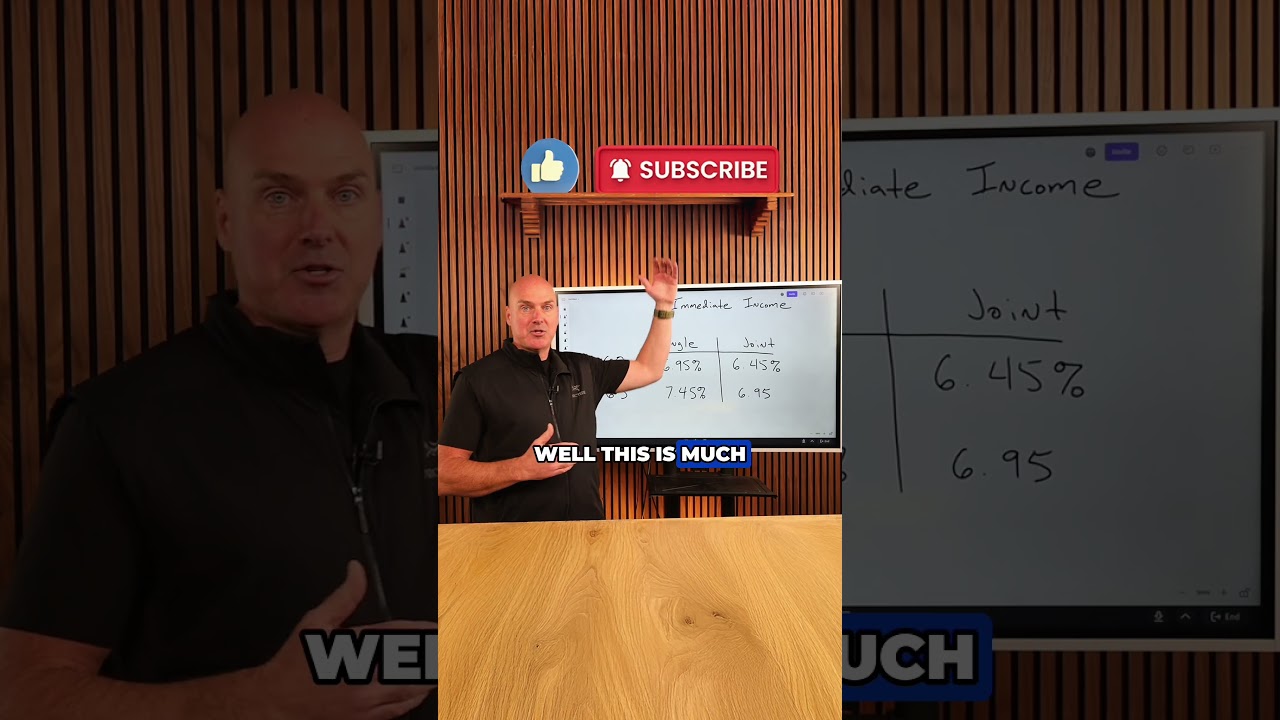


Wouldn't spending amounts be better then income because people are usually living above or below their income
Retirement is wonderful if you have two essentials — much to live on and much to live for. Invest wisely and get good returns.
The stock market is still one of the most potential places to invest your money, I realized that the secret to making a million is saving for a better investment.. I always tell myself you don’t need that new Bentley or that vacation in Hawaii just yet and that mindset helps me make more money investing. For example last year I invested precisely 84k grand in stocks and index funds (with the help of my advisor Kate Weller of course) and made 246k, but guess what? I put it back and traded with her again and now I rounded up the year with over a million. Hoping to get to over 2 million in my portfolio in 6 months time.
You are not addressing the mandatory RMD’s. You have no choice in the amount you can withdraw!
Is it a bad move to put RMD withdrawals back in to your IRA?
Nice video, thanks for the wonderful video