

IRA 101: Your Guide to Getting Started and Understanding the Basics
Retirement might seem like a distant dream, but the sooner you start planning and saving, the more comfortable your golden years will be. One of the most powerful tools for building your retirement nest egg is an Individual retirement account, or IRA. But with all the financial jargon, it can feel intimidating to get started. Fear not! This guide breaks down the basics of IRAs, making them easy to understand and helping you take the first steps toward a secure future.
What is an IRA?
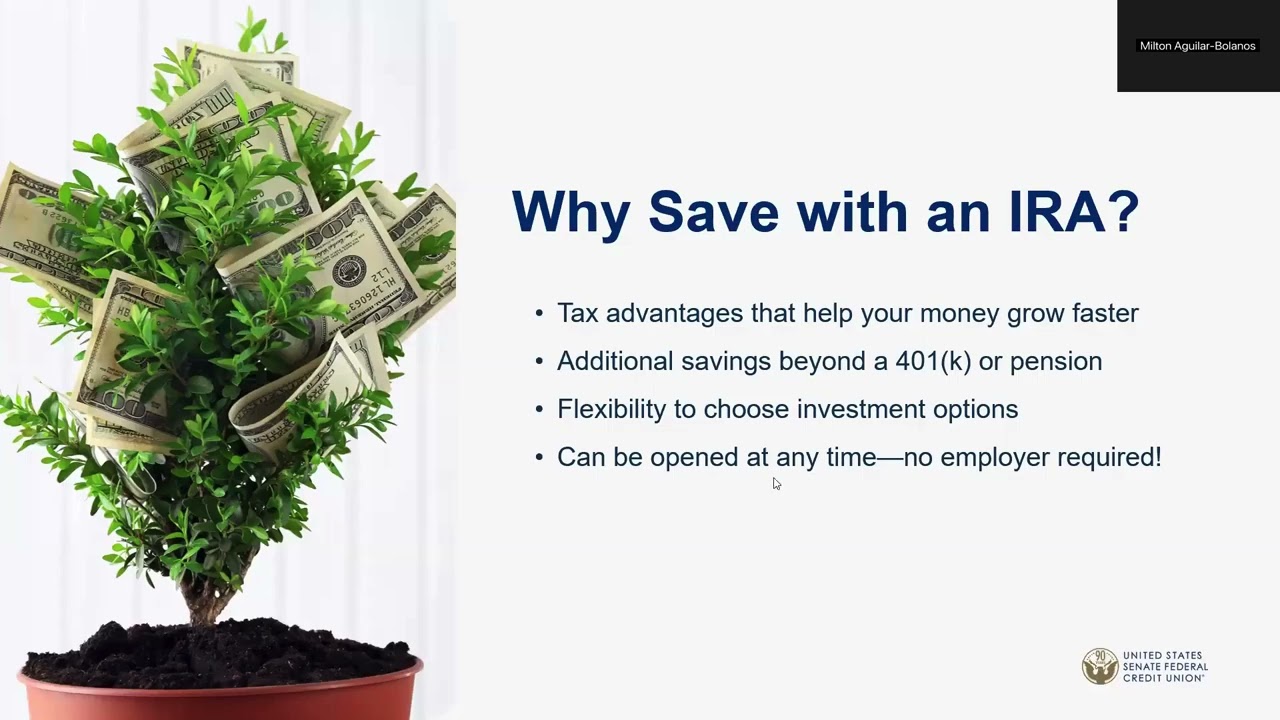
Think of an IRA as a special savings account designed specifically for retirement. It allows you to save and invest your money with certain tax advantages, helping your savings grow faster. There are two main types of IRAs:
-
Traditional IRA: This IRA allows you to potentially deduct your contributions from your taxes in the year you make them. Your investments grow tax-deferred, meaning you don’t pay taxes on the earnings until you withdraw them in retirement. At that point, your withdrawals are taxed as ordinary income.
-
Roth IRA: With a Roth IRA, you don’t get a tax deduction for your contributions. However, your investments grow tax-free, and withdrawals in retirement are also tax-free.
Which IRA is Right for You?
Choosing between a Traditional and Roth IRA depends on your current and expected future income:
-
Traditional IRA might be best if:
- You expect to be in a lower tax bracket in retirement than you are now.
- You want a tax deduction now to reduce your current taxable income.
-
Roth IRA might be best if:
- You expect to be in a higher tax bracket in retirement.
- You want the certainty of tax-free withdrawals in retirement.
Contribution Limits (2024)
The IRS sets annual contribution limits for both Traditional and Roth IRAs. For 2024, the contribution limit is $7,000 for individuals under age 50. If you’re age 50 or older, you can contribute an additional $1,000, for a total of $8,000.
Income Limitations for Roth IRAs:
Roth IRAs have income limitations. If your modified adjusted gross income (MAGI) is above a certain threshold, you may not be able to contribute the full amount, or any amount at all. Be sure to check the IRS guidelines for the latest income limits.
How to Open an IRA:
Opening an IRA is relatively simple. Here’s how:
- Choose a Financial Institution: You can open an IRA at a bank, credit union, brokerage firm, or online investment platform.
- Compare Fees and Investment Options: Look for institutions with low fees and a wide range of investment choices, such as stocks, bonds, mutual funds, and ETFs (Exchange Traded Funds).
- Complete the Application: The application process is typically online or involves filling out a paper form. You’ll need to provide personal information and choose your investment options.
- Fund Your Account: You can fund your IRA through electronic transfers, checks, or wire transfers.
Investing Your IRA Funds:
Once your IRA is open, you’ll need to decide how to invest your money. Here are a few popular options:
- Stocks: Offer the potential for high growth but also come with higher risk.
- Bonds: Generally considered less risky than stocks and provide a more stable income stream.
- Mutual Funds: Pool money from multiple investors to invest in a diversified portfolio of stocks, bonds, or other assets.
- Exchange Traded Funds (ETFs): Similar to mutual funds but traded on stock exchanges like individual stocks.
Important Considerations:
- Early Withdrawals: Generally, withdrawals from an IRA before age 59 1/2 are subject to a 10% penalty, plus your regular income tax (for Traditional IRAs). There are some exceptions to this penalty, such as for qualified medical expenses, disability, or first-time home purchases.
- Required Minimum Distributions (RMDs): Starting at age 73 (age 75 for those born in 1960 or later), you’ll be required to take minimum distributions from your Traditional IRA each year. Roth IRAs do not have RMDs during your lifetime.
- Consult a Financial Advisor: If you’re unsure which type of IRA is right for you or need help with investment strategies, consider consulting a qualified financial advisor.
Getting Started is Key:
The biggest mistake you can make with retirement planning is not starting at all. Even small contributions to an IRA can make a significant difference over time, thanks to the power of compounding. So, take the first step today and start building a secure future!
Disclaimer: This article is for informational purposes only and should not be considered financial advice. Consult with a qualified financial advisor before making any investment decisions.
LEARN MORE ABOUT: IRA Accounts
CONVERTING IRA TO GOLD: Gold IRA Account
CONVERTING IRA TO SILVER: Silver IRA Account
REVEALED: Best Gold Backed IRA




0 Comments