

Decoding the IRA: Your Guide to Retirement Savings
Planning for retirement can feel like navigating a complex maze, filled with confusing jargon and countless options. One term you’ll likely encounter is “IRA,” and understanding what it is, how it works, and its potential benefits is crucial for securing your financial future.
So, what exactly is an IRA? Let’s break it down.
IRA stands for Individual Retirement Arrangement. In its simplest form, it’s a personal savings account that allows you to invest money for retirement while enjoying potential tax advantages. Think of it as a powerful tool designed to help you build a nest egg that you can access later in life.
Key Features of an IRA:
- Individual Ownership: Unlike employer-sponsored retirement plans like 401(k)s, IRAs are owned and controlled by you, the individual. This provides greater flexibility and portability as you can easily manage your investments regardless of your employment situation.
- Tax Advantages: This is where IRAs really shine. They offer different tax benefits depending on the type of IRA you choose.
- Investment Flexibility: IRAs allow you to invest in a wide range of assets, including stocks, bonds, mutual funds, exchange-traded funds (ETFs), and certificates of deposit (CDs). This allows you to tailor your investment strategy to your risk tolerance and financial goals.
- Contribution Limits: The IRS sets annual limits on how much you can contribute to an IRA. These limits are subject to change each year, so it’s essential to stay informed. Exceeding these limits can result in penalties.
Types of IRAs:
The two main types of IRAs are Traditional and Roth, each offering unique tax advantages:
-
Traditional IRA:
- Tax Deduction Upfront: Contributions may be tax-deductible in the year you make them, potentially lowering your current tax bill. However, withdrawals in retirement are taxed as ordinary income.
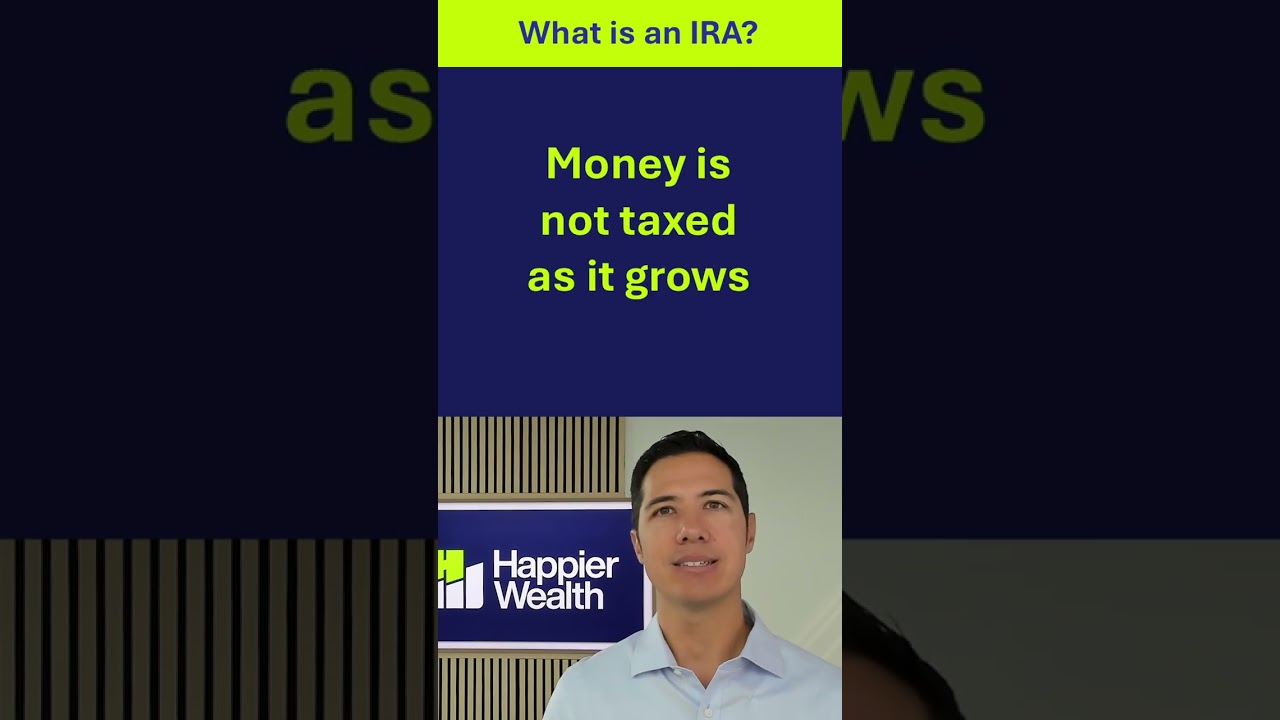
- Tax-Deferred Growth: Your investments grow tax-deferred, meaning you don’t pay taxes on the earnings until you withdraw them in retirement.
- Ideal For: Individuals who anticipate being in a lower tax bracket in retirement than they are now.
-
Roth IRA:
- No Upfront Tax Deduction: Contributions are made with after-tax dollars, meaning you don’t get a tax deduction in the year you contribute.
- Tax-Free Growth and Withdrawals: Your investments grow tax-free, and withdrawals in retirement are also tax-free, as long as you meet certain requirements (typically being at least age 59 1/2 and having the account open for at least five years).
- Ideal For: Individuals who anticipate being in a higher tax bracket in retirement than they are now, or those who simply want the certainty of tax-free withdrawals.
Beyond the Basics: Other Types of IRAs:
While Traditional and Roth IRAs are the most common, other variations exist:
- SEP IRA (Simplified Employee Pension): Designed for self-employed individuals and small business owners.
- SIMPLE IRA (Savings Incentive Match Plan for Employees): Another option for small business owners, offering a simplified retirement savings plan for employees.
- Rollover IRA: Used to move funds from other retirement accounts, such as a 401(k), into an IRA without triggering taxes.
Who Can Open an IRA?
Generally, anyone with earned income (income from wages, salaries, or self-employment) can open and contribute to an IRA. However, income limitations may apply to contributing to a Roth IRA.
Why Open an IRA?
- Retirement Security: The primary goal of an IRA is to help you build a secure financial future for retirement.
- Tax Advantages: IRAs offer significant tax benefits that can help you save more effectively.
- Flexibility and Control: You have more control over your investments compared to employer-sponsored plans.
- Supplement to Employer Plans: An IRA can complement your 401(k) or other retirement plans, allowing you to save even more.
Getting Started:
Opening an IRA is relatively straightforward. You can open an account with a bank, brokerage firm, or mutual fund company. Before choosing a provider, compare fees, investment options, and customer service.
Important Considerations:
- Contribution Limits: Be aware of the annual contribution limits and avoid exceeding them.
- Withdrawal Rules: Understand the rules regarding withdrawals, especially before age 59 1/2, as early withdrawals are typically subject to penalties and taxes.
- Investment Risk: Consider your risk tolerance and investment goals when choosing investments within your IRA.
- Seek Professional Advice: If you’re unsure which type of IRA is right for you or need help with investment decisions, consult with a qualified financial advisor.
Conclusion:
An IRA is a powerful tool for building a secure retirement. By understanding the different types of IRAs and their respective benefits, you can make informed decisions about your financial future and take proactive steps toward achieving your retirement goals. Don’t wait – start planning and saving today!
LEARN MORE ABOUT: IRA Accounts
CONVERTING IRA TO GOLD: Gold IRA Account
CONVERTING IRA TO SILVER: Silver IRA Account
REVEALED: Best Gold Backed IRA




0 Comments