
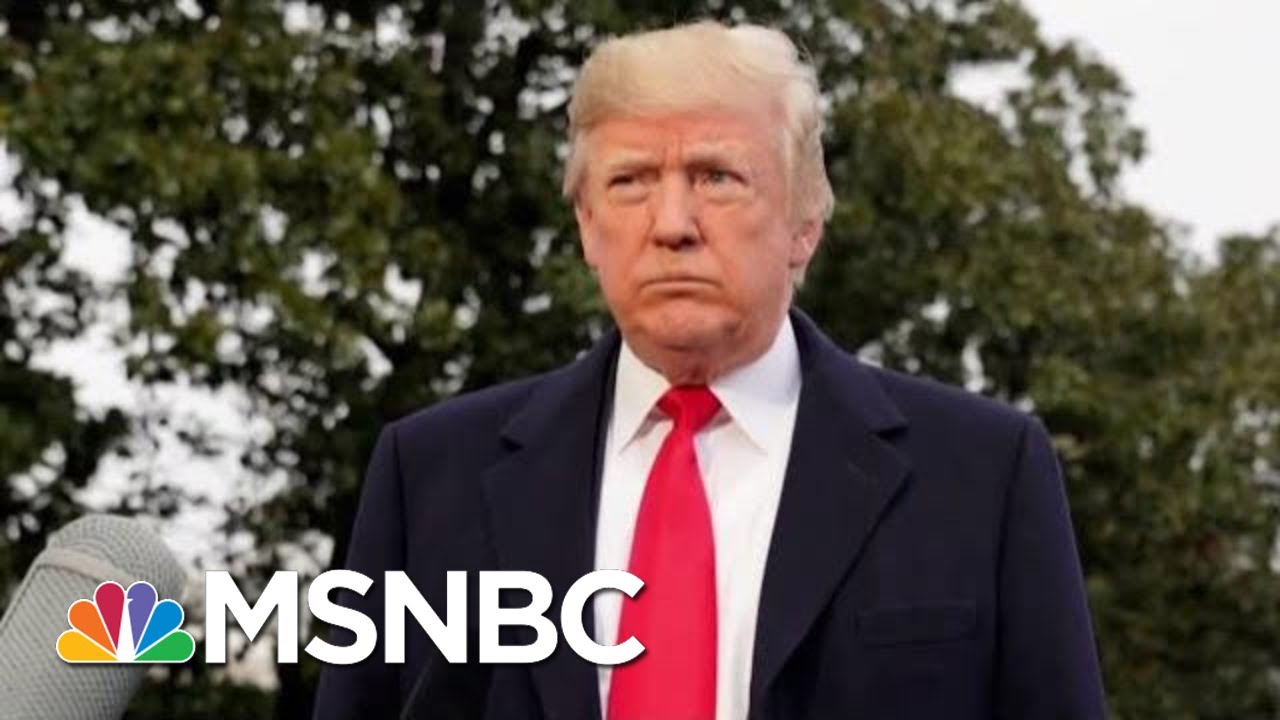

Could A Slipping Economy Be Trump’s Downfall? | Deadline | MSNBC
As the landscape of American politics continues to shift, one crucial factor remains at the forefront of public discourse: the economy. With the 2024 presidential election on the horizon, questions surrounding former President Donald Trump’s political future are intensifying. Many analysts speculate that a weakening economy could play a significant role in determining his fate.
The Economic Landscape
The U.S. economy has seen its fair share of ups and downs in recent years. From the pandemic-induced recession to a subsequent recovery, various economic indicators have caused both optimism and concern. Inflation rates have surged, impacting everything from grocery bills to gas prices, while supply chain issues continue to disrupt markets. As these challenges persist, they could erode public confidence in the incumbent administration and, consequently, provide fertile ground for Trump’s return to the political stage.
The Trump Factor
Trump’s tenure as president was characterized by a strong focus on economic growth, tax cuts, and deregulation. His supporters often credit him with a booming stock market and historically low unemployment rates prior to the pandemic. However, with the economic situation deteriorating under the Biden administration, Trump has seized the opportunity to position himself as a solution to the current economic woes.
Should the economy continue to slide, Trump might leverage this narrative to rally support. He has already begun to frame the narrative that only he can restore America to its former economic glory, potentially resonating with voters who feel the pinch of rising prices and limited job opportunities.
Historical Precedents
History tells us that economic performance often shapes electoral outcomes. Presidents with strong economies tend to be re-elected, while those presiding over economic downturns often face significant challenges. For instance, George H.W. Bush struggled in the 1992 election as the economy faltered, while Bill Clinton capitalized on a recovering economy to secure his victory.
Similarly, if the economic indicators continue to trend downward, Biden’s approval ratings may suffer, weakening his position and inadvertently boosting Trump’s chances. The public’s sentiment towards the economy can often translate into ballot box decisions, making this a critical factor in the upcoming election.
The Opposition’s Response
In response to Trump’s narrative, Democrats are tasked with effectively communicating their economic policies and addressing the frustrations of voters. Democratic leaders must highlight their administration’s efforts to combat inflation, invest in infrastructure, and create jobs. The challenge lies in bridging the gap between policy and public perception, especially when faced with a former president who is known for his ability to captivate audiences with simple yet impactful messages.
Moreover, Democrats need to create a compelling vision for the future that contrasts sharply with Trump’s past administration. This could mean emphasizing their achievements in economic recovery and social justice while providing a clear plan to sustain growth and stability.
Conclusion
As speculation deepens around Trump’s potential candidacy for the 2024 election, the state of the economy will undoubtedly be a deciding factor. A slipping economy could indeed be Trump’s Achilles’ heel, marking a turning point in his political trajectory. Conversely, if he can capitalize on economic discontent and effectively communicate his vision, he stands a chance to reclaim the presidency. The coming months will be crucial as both parties prepare their strategies for a complex political battle ahead. The economy will not just be a backdrop; it will be front and center in shaping the electoral landscape of 2024.
BREAKING: Recession News
REVEALED: Best Investment During Inflation
HOW TO INVEST IN GOLD: Gold IRA Investing




0 Comments