
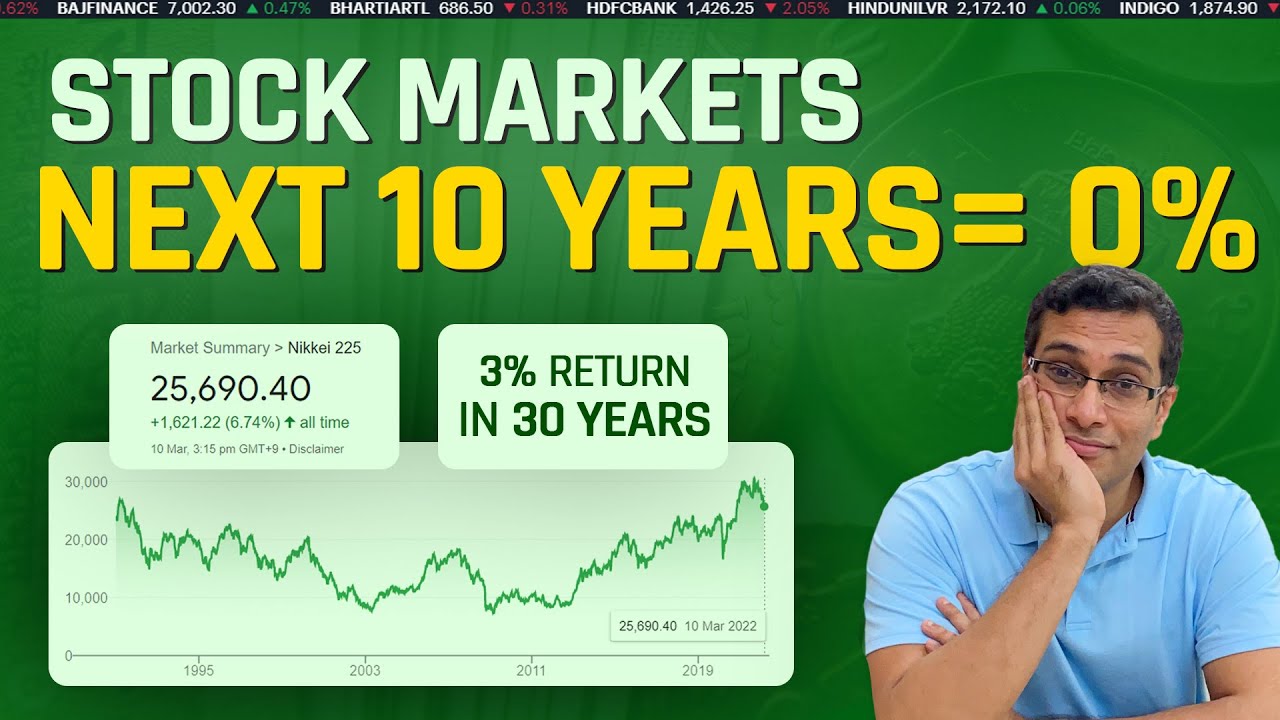

Very Slow Growth Ahead? Stagflation Concerns
In recent months, economic uncertainties have resurfaced across the globe, igniting fears of a return to stagflation—a scenario characterized by stagnant economic growth, high unemployment, and elevated inflation. As various indicators paint a troubling picture, it’s essential to understand the potential implications of this phenomenon for individuals, businesses, and policymakers.
Understanding Stagflation
Stagflation is a rare economic condition in which inflation rises while economic growth stagnates. The term was popularized in the 1970s during an oil crisis, when the economic landscape was marked by soaring prices and stagnant growth rates. In this environment, typical monetary policy tools can fail to deliver the desired outcomes, complicating governmental intervention strategies.
Current Economic Indicators
-
Inflation Rates: Many countries are experiencing elevated inflation rates driven by several factors, including supply chain disruptions, increased commodity prices, and ongoing geopolitical tensions. Persistent inflation erodes purchasing power and can lead to reduced consumer spending.
-
Growth Projections: Following robust recovery from the initial pandemic shock, growth rates have started to shift direction. Major economies, particularly in Europe and North America, are projected to experience slower growth due to reduced consumer confidence and tighter monetary policies in response to inflation.
- Labor Market Trends: Unemployment rates have fluctuated, and although many industries have rebounded, sectors like hospitality and retail continue to feel the pinch. Stagnant wages amid rising prices can lead to decreased consumer spending, further exacerbating economic stagnation.
Factors Contributing to Stagflation
-
Supply Chain Disruptions: The pandemic has illuminated vulnerabilities within global supply chains. Ongoing disruptions continue to hamper production and delivery, contributing to shortages and rising prices.
-
Geopolitical Tensions: Conflicts, such as the Russia-Ukraine war, have significant implications for energy prices and global economic stability. Sanctions, trade limitations, and geopolitical instability can lead to further commodity price increases.
- Monetary Policy Challenges: Central banks are in a precarious position. Raising interest rates to combat inflation comes with the risk of slowing growth even further. Conversely, keeping rates low may allow inflation to spiral uncontrollably.
Implications for the Future
-
Consumer Behavior: With stagnant wages and rising costs, consumer behavior may shift. Spending on non-essential items may decline, leading to reduced revenue for businesses.
-
Business Strategy Adjustments: Companies might need to adopt more aggressive cost-containment strategies, rethink pricing structures, or innovate to provide value while managing lower consumer spending.
- Policy Response: Policymakers face a significant challenge in addressing stagflation. The coordination of fiscal and monetary policies will be crucial, and measures may include targeted spending, support for affected industries, and strategies to boost productivity.
Conclusion
The specter of stagflation presents a multifaceted challenge for global economies. As stagnant growth lingers in tandem with high inflation, the repercussions are felt across all sectors of society. Navigating this economic landscape will require astute policymaking, strategic business planning, and adaptability from consumers. The coming months will be critical in determining whether the current economic conditions will solidify into a prolonged period of sluggish growth or whether more dynamic measures can spur a recovery. As always, keeping a close eye on economic indicators will be essential for all stakeholders involved.
LEARN ABOUT: Investing During Inflation
REVEALED: Best Investment During Inflation
HOW TO INVEST IN GOLD: Gold IRA Investing
HOW TO INVEST IN SILVER: Silver IRA Investing



►My upcoming LIVE course on investing (batch starts in March, last few seats left):
https://wisdomhatch.com/
_____________________________________________________
►Check out my curated list of audiobooks on KukuFM!
Use the Coupon code – AKSHAT50 for 50% off
( Coupon valid for first 250 users)
https://kukufm.sng.link/Apksi/0oz0/lzdt
How did you get this much of information 's
Thanks Akshat for sharing such valuable info.
Reduce GST into 3-15%(3%,6%,9%,12%,15%) slabs ! Once this east indian govt stop or at least reduce this looting from public then consumption will slowly increase, GDP will get back and economy will also come up !!!
Very insightful video, perhaps the best I have seen on the current scenario…
How to hedge portfolio?
Breakdown of Japanese economy, it is directly due to the impact of Plaza Accord (year 1985, contract between G5 nations). Do check Plaza Accord, and unfollow this guy. Better to subscribe to study iq, than getting the half information here.
Plz make a video how to grow money . With growing higher inflation.
Sounds good
How to beat inflation of 10% with good return
In India inflation is due high fuel cost, high freight & transport cost, high rentals & cost of commercial property and high electricity cost.
This is not at all related to supply shortage.
We need a video on how to tackle inflation.